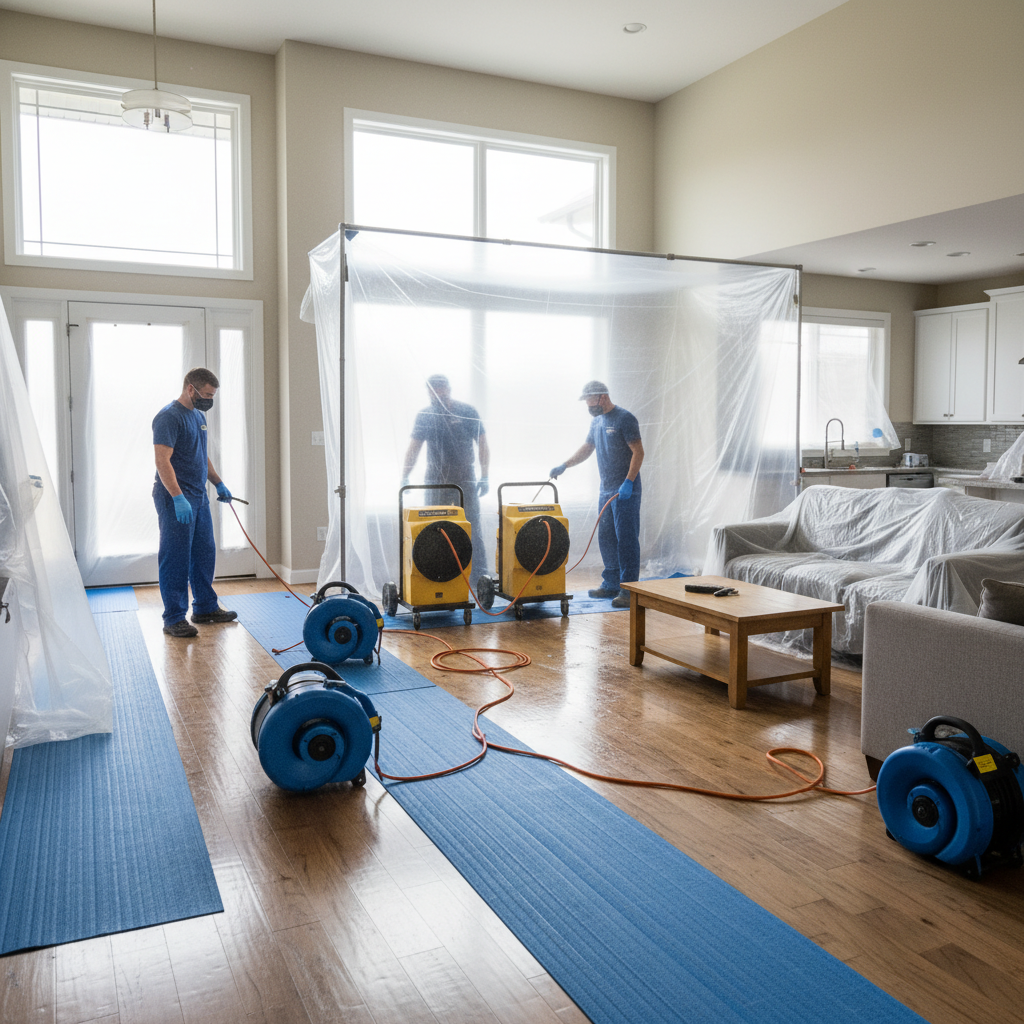
Water damage restoration and mold remediation is the coordinated process of extracting water, rapidly drying materials, and removing or neutralizing mold to return a property to a safe, healthy state. From our Scarborough base at 1225 Kennedy Rd, we offer same-day Ontario response to stop moisture, protect structures, and restore indoor air quality.
By ASM Mold Removal Inc. • Last updated: 2026-05-31
Start Here: Fast Action + Table of Contents
Stop the water, make the area safe, and begin controlled drying within 24–48 hours. Document damage, isolate affected spaces with containment, and bring in certified pros for assessment. Use this guide to move from emergency response to full restoration and long-term prevention—without guesswork or delays.
When a leak or flood hits, minutes matter. Here’s how this guide helps you act fast and get results that last.
- What water damage restoration and mold remediation actually include
- Why the first 24–48 hours shape outcomes
- How pro drying and remediation work, step by step
- Which methods fit different water categories and building materials
- Best practices, tools, local tips, and mini case studies from Ontario
Quick Summary
Act in four phases: stabilize (source control and safety), dry (extraction and dehumidification), remediate (containment and HEPA-based removal), and restore (repairs and prevention). Verified moisture readings and clean air results are your signal to rebuild with confidence.
- Stabilize: Shut off water and power if unsafe; protect clean areas.
- Dry: Extract standing water and start targeted airflow with dehumidifiers.
- Remediate: Contain, HEPA filter, remove contaminated materials, and treat surfaces.
- Restore: Repair finishes, fix the moisture source, and document clearance.
Want a same-day assessment and moisture map? Book a free inspection with our Scarborough team serving all of Ontario.
What Is Water Damage Restoration and Mold Remediation?
Restoration removes water and moisture, stabilizes the structure, and returns finishes and systems to pre-incident condition. Mold remediation isolates affected zones, removes contaminated materials, and treats surfaces so indoor air is safe. Together, they halt damage, prevent microbial growth, and verify dryness before rebuild.
In practice, restoration addresses water intrusion first: extract, dry, and dehumidify while monitoring psychrometrics. Remediation then tackles microbial risk: set containment, run HEPA filtration, perform selective demolition, and apply EPA-compliant antimicrobials. Validation closes the loop with meter readings and, when needed, air sampling.
- Restoration scope: water extraction, structural drying, dehumidification, cleaning, and repairs.
- Remediation scope: containment, HEPA air filtration, selective demolition, vacuuming, and antimicrobial treatments.
- Validation: moisture content goals, visual clearance, and documentation for owners and insurers.
At ASM Mold Removal Inc., we deliver end-to-end service: a free inspection and moisture assessment, drying plan, safe remediation, and final restoration—with a Mold Remediation Warranty Certificate on completion to reassure homeowners, buyers, sellers, and real estate agents.
Why Fast Action Matters in Ontario Homes and Businesses
The best outcomes happen when drying begins within 24–48 hours, limiting microbial growth and structural damage. In Scarborough and across ON, rapid response reduces odors, salvages finishes, and shortens downtime. Acting quickly protects occupants, equipment, and documentation in offices, schools, and healthcare settings.
Moisture spreads through hygroscopic materials quickly; drywall, insulation, and subfloors wick water within hours. Elevated humidity follows, pushing spores to colonize on paper-faced drywall, wood sheathing, and dust. Keeping indoor relative humidity between 35–55% during drying limits secondary damage and speeds evaporation.
- First-day priorities: stop the source, extract standing water, and stabilize humidity.
- 48-hour window: reach target drying conditions before mold takes hold in porous materials.
- Commercial need: limit disruption with discreet containment and after-hours scheduling.
Local considerations for Scarborough
- Spring thaws and summer storms spike humidity; prioritize attic ventilation and basement dehumidification during these seasons.
- Plan remediation around business hours to minimize disruption for offices and retail spaces common in the area.
- Winter condensation on cold roof decks increases attic mold risk; improve air sealing and insulation to prevent moisture drive.
Looking for a rapid, warranty-backed approach? See how our certified technicians implement containment, HEPA filtration, and measurable drying to safeguard families and staff.
How Professional Restoration Works: Step-by-Step
Certified technicians assess, contain, extract, and dry with measured airflow and dehumidification. They remove unsalvageable materials, clean and treat surfaces, and verify dryness with calibrated meters. The project closes with documentation and, when needed, a warranty-backed remediation certificate.
- Assessment & safety: Identify source, water category, and affected assemblies; establish electrical safety and PPE.
- Containment & protection: Isolate work zones, protect clean areas, and set HEPA air filtration.
- Extraction: Pump-out and high-efficiency water removal from floors and cavities to cut hours from drying.
- Drying: Balance air movers and dehumidifiers; monitor with moisture meters and psychrometrics until readings reach targets.
- Remediation: Remove contaminated materials, HEPA vacuum, and apply antimicrobial treatments to treated surfaces.
- Verification: Confirm moisture content, perform visual clearance, and document readings with photos.
- Restoration: Repair finishes, replace insulation, and return spaces to normal use.
We design drying around building science: airflow angles, vapor pressure differentials, and temperature control. Daily logs track grains-per-pound (GPP) and moisture content until targets are met. For wood framing, aiming for moisture content near pre-loss baseline (often under the mid-teens percentage) prevents future issues.
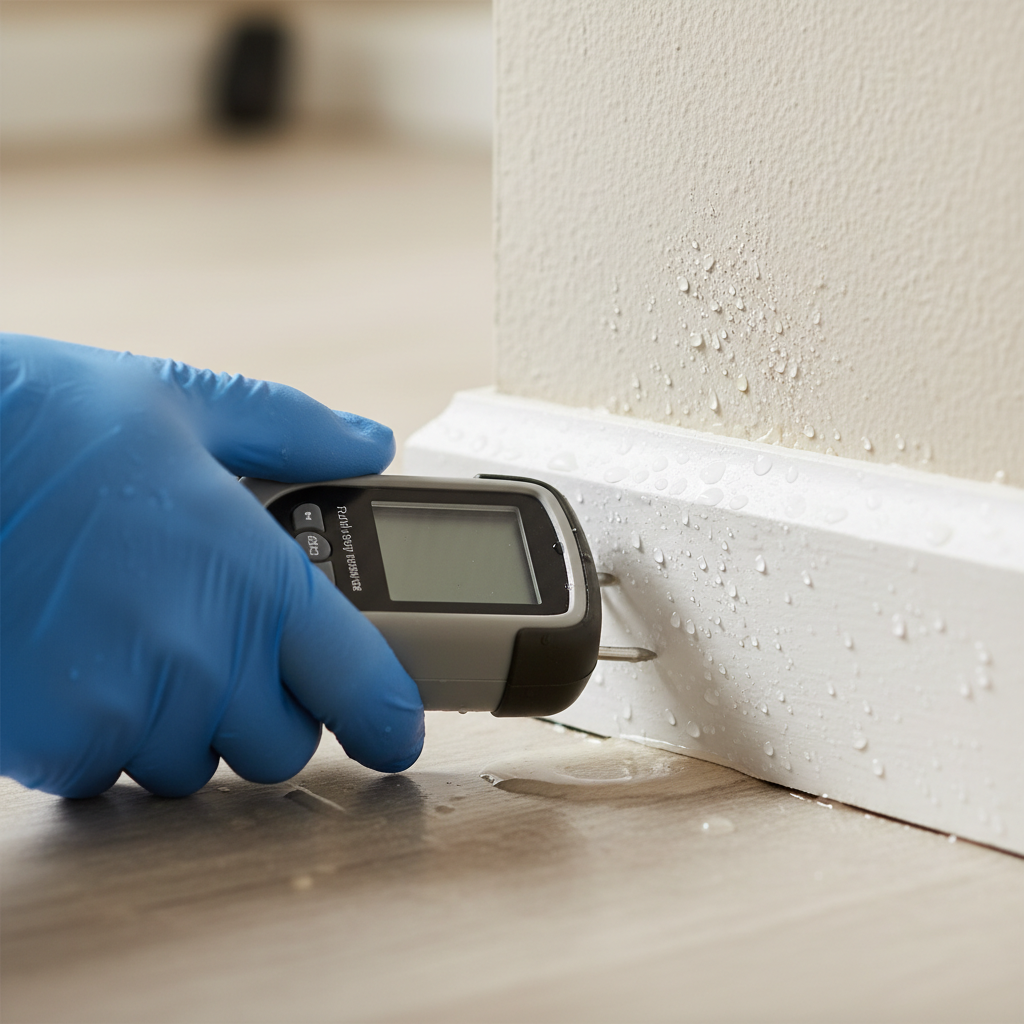
Pro tip: Photograph the meter face when you record readings. Those images, plus daily logs, make insurance reviews faster and help all parties align on decisions.
Types, Methods, and Approaches
Match your approach to the water source and material type. Clean water allows aggressive drying; contaminated water requires removal and disinfection. Attics, basements, and crawl spaces each demand tailored airflow, insulation strategy, and vapor control to prevent mold from returning.
Water categories and typical actions
| Category | Typical Sources | Primary Actions |
|---|---|---|
| Category 1 (clean) | Supply-line leak, rain through roof before contact with contaminants | Extract, dry-in-place when feasible, monitor to dry standard |
| Category 2 (gray) | Appliance overflow, sump backup without sewage | Source control, removal of affected porous materials, sanitize, controlled drying |
| Category 3 (black) | Sewage, floodwater, or long-standing water | Full containment, removal of affected materials, disinfection, negative pressure, careful disposal |
Material-specific tactics
- Drywall: Rapid removal if swelled or contaminated; otherwise, dry to safe moisture content with airflow along walls.
- Insulation: Replace wet fiberglass or cellulose in most cases; reinstall after clearance.
- Hardwood: Use specialty drying mats and gradual dehumidification to limit cupping and gaps over time.
- Concrete: Expect extended dehumidification; verify with relative humidity probes before flooring goes back.
Attic, basement, and crawl space
- Attics: Address roof leaks, air sealing, and ventilation; remove mold from sheathing with HEPA vacuum and surface treatments aligned to substrate.
- Basements: Control ground moisture, dehumidify to maintain roughly 35–55% RH, and fix perimeter drainage.
- Crawl spaces: Improve vapor barriers, ventilation, and bulk-water control; remediate organic growth on framing.
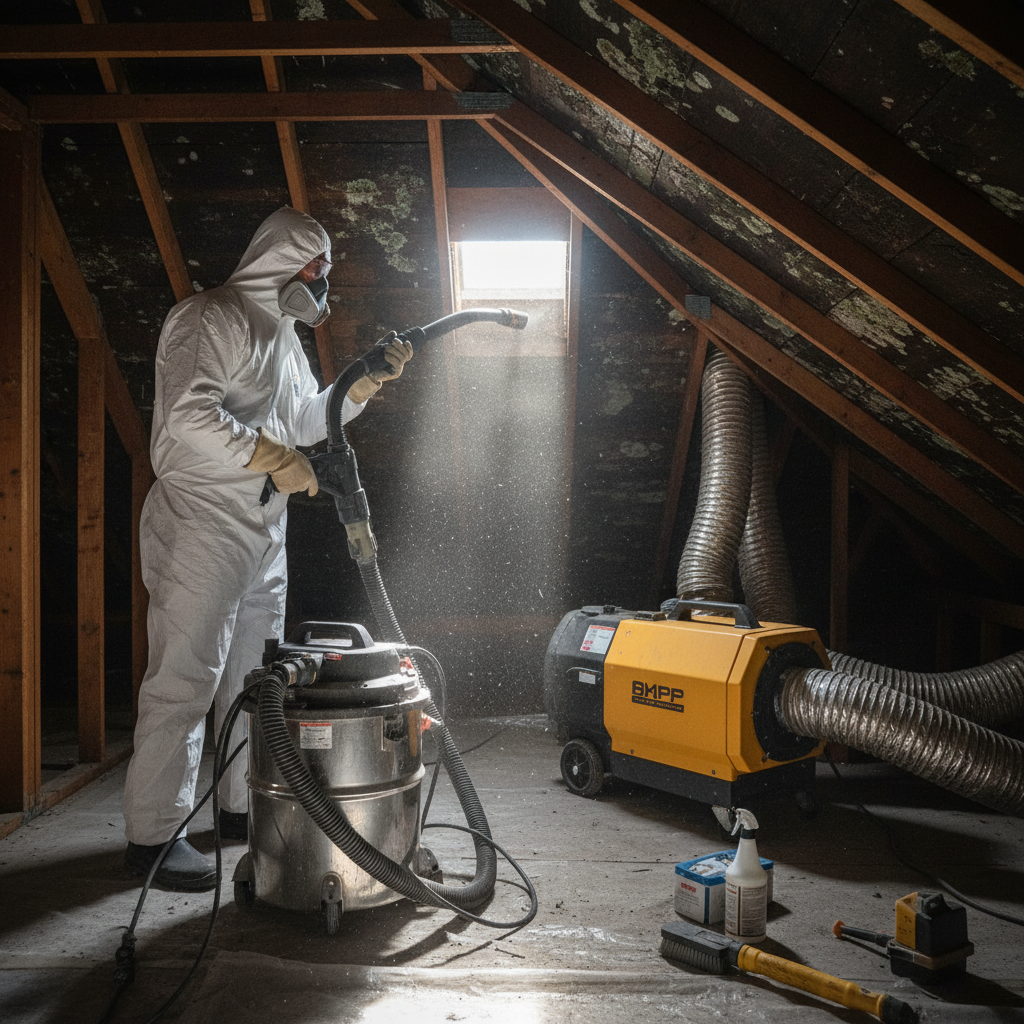
For storm-driven events, prevention upstream pays off. See these practical notes on handling stormwater and common basement flooding causes in the GTA to reduce future risk.
Best Practices We Follow (and You Should Too)
Stabilize fast, measure everything, and document each step. Use containment and HEPA filtration to protect occupants, dry to verifiable targets, and correct the moisture source so mold doesn’t return. Close with written clearance records and prevention recommendations.
- Time: Start structural drying within 24–48 hours of water exposure.
- Targets: Keep occupied spaces near 35–55% RH during drying and below 60% RH long term.
- Containment: Separate affected zones; maintain negative pressure when removing contaminated materials.
- Air cleaning: Run HEPA air scrubbers continuously during active remediation to reduce particulate load.
- Verification: Track daily moisture readings and temperature/RH; photograph key milestones and meter readings.
- Prevention: Fix leaks, improve ventilation, and upgrade insulation where needed—especially in attics after winter moisture issues.
We align work plans with recognized industry standards for water damage restoration and mold remediation while tailoring to your building’s assemblies and use. Our same-day Ontario response and clear documentation reduce confusion and help expedite insurance steps.
Free inspection and moisture assessment: Our certified team provides same-day response across Ontario. Call 647-451-0493 or request an appointment on our website.
Tools and Resources We Use
Professional results come from the right tools: calibrated meters, high-CFM air movers, smart dehumidifiers, HEPA filtration, and EPA-compliant antimicrobials. We pair equipment with checklists and moisture maps so everyone sees progress and clearance is never a guess.
Inspection and monitoring
- Pin and pinless moisture meters for wood, drywall, and concrete
- Thermal imaging to find hidden wet spots behind finishes
- Hygrometers and psychrometric charts to tune drying conditions
Drying and remediation
- Axial/centrifugal air movers and LGR dehumidifiers
- HEPA air scrubbers and negative-air setups
- Selective demolition tools and containment materials
- EPA-compliant antimicrobial products and surface cleaners
Documentation
- Moisture maps and daily logs of readings shared with owners
- Photo evidence of removal, cleaning, and clearance
- Mold Remediation Warranty Certificate upon inspection
Considering upgrades to keep spaces dry? See these notes on commercial waterproofing advantages as part of long-term prevention planning.
Case Studies From Recent Ontario Projects
Every property is different, but the playbook is consistent: fast stabilization, measured drying, safe remediation, and proof of results. These short scenarios show how the right sequence saves materials, time, and disruption across attics, basements, and commercial spaces.
Scarborough attic leak after winter thaw
A roof leak wet the sheathing and insulation. We isolated the attic, removed saturated insulation, HEPA vacuumed the sheathing, treated surfaces, and improved ventilation. Moisture dropped to target in three days of controlled drying; the attic passed clearance and new insulation was installed with improved baffles.
Basement laundry overflow in a family home
Category 2 water hit baseboards and drywall. We extracted, removed affected drywall/insulation, sanitized, and dried the space to safe moisture content. Dehumidification held 45–50% RH. The basement was rebuilt with mold-resistant drywall after clearance and a prevention plan.
Retail stockroom pipe break
An after-hours response limited downtime. We set containment, extracted, and used high-CFM movers plus LGR dehumidifiers. Staff areas stayed open while the stockroom dried. Verification readings and photos supported an insurance claim and same-week reopening.
Warehouse roof drain backup
Pooling water threatened inventory. Our team used rapid extraction, elevated pallets, and wide-area airflow. Negative air machines kept offices clean while the floor slab dried. The root cause—undersized roof drainage—was addressed with a facilities plan.
FAQ — Water, Mold, and Safety
Dry quickly, isolate contaminated areas, and rely on certified pros for anything beyond minor clean water spills. These quick answers clarify the most common questions homeowners and property managers ask during a stressful event.
How fast can mold start after water damage?
Mold growth can begin within 24–48 hours on porous, damp materials. That’s why starting controlled drying right away is essential—quick action limits colonization, odors, and structural damage.
Do I need to remove drywall, or can I dry it in place?
If drywall is contaminated or swollen, removal is usually best. For clean-water events with minimal damage, in-place drying may work if moisture targets are reached and verified with a meter.
Is it safe to run HVAC during remediation?
Typically, keep HVAC off in the affected zone until containment and filtration are set. Otherwise, spores and odors can spread. We use HEPA filtration and negative pressure to protect clean areas.
What documentation should I expect after the job?
You should receive moisture readings, photos, a description of methods and materials, and—when applicable—a Mold Remediation Warranty Certificate as proof the treated area is free from active mold.
Key Takeaways
Start drying within 24–48 hours, contain and filter the workspace, and verify dryness and cleanliness before rebuild. Fix the moisture source and document every step—the combination prevents recurring mold and protects health, property value, and peace of mind.
- Act within 24–48 hours to prevent microbial growth.
- Use containment, HEPA filtration, and moisture targets to guide decisions.
- Tailor methods to water category and materials in each space.
- Document readings and deliver a warranty-backed result from a certified team.
Conclusion & Next Steps
Control the source, measure moisture, and dry with intent. Then remediate safely and restore with prevention in mind. If you’re in Scarborough or anywhere in Ontario, we’ll provide a same-day inspection, clear plan, and warranty-backed results to get you back to normal faster.
- Call our Scarborough-based team for a free inspection.
- Expect a written plan with moisture targets, containment approach, and prevention tips.
- Receive documentation and, when applicable, a Mold Remediation Warranty Certificate at completion.
Ready to move from damage to done? Contact ASM Mold Removal Inc. today for water damage restoration and mold remediation done right—fast, safe, and documented.