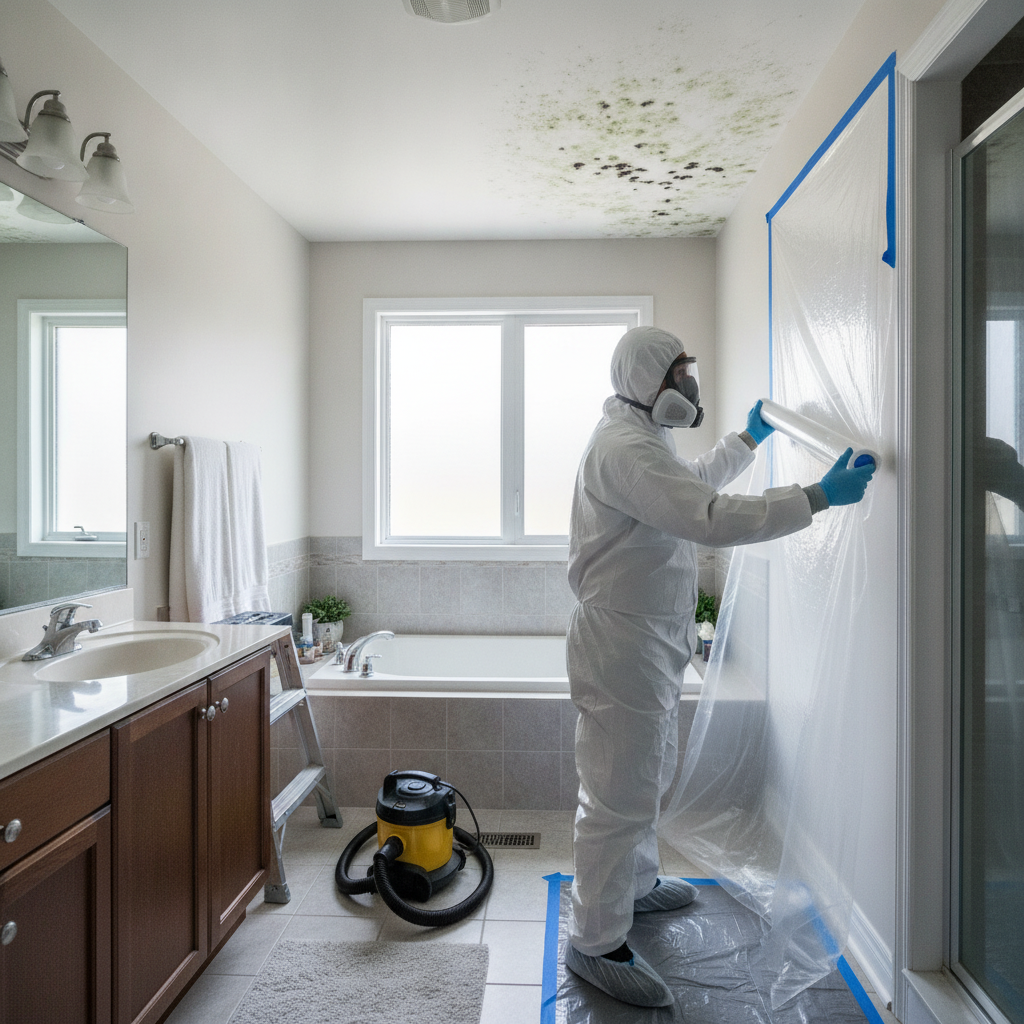
Removing mold from home means eliminating active growth and cutting off the moisture fueling it so it can’t return. Clean only small patches on hard, non‑porous surfaces using detergent and water, dry fast, and verify the leak or humidity source is fixed. Attics, basements, HVAC, floods, and widespread growth require certified remediation.
By ASM Mold Removal Inc. • Last updated: 2026-07-09
| Service area | Ontario (based in Scarborough) |
|---|---|
| Response time | Ontario‑wide same‑day inspections for urgent issues |
| Hours | Open daily, 7:00 AM – 7:00 PM |
| Core capabilities | Mold inspection & testing, HEPA‑contained remediation, thermal imaging, air quality testing, repair & restoration |
| Assurance | Mold Remediation Warranty Certificate after completion and inspection |
| Who we serve | Homeowners, buyers/sellers, real estate agents, and commercial sites |
- Overview (DIY vs pro)
- When you can DIY
- Safety and assessment
- Step‑by‑step removal
- When a pro is required
- How ASM remediates
- Local tip for Ontario homes
- FAQ
- Key takeaways
Quick Summary
Handle only small, non‑porous patches yourself and dry them within 24–48 hours. If you see growth across rooms, on drywall or insulation, or inside attics, basements, or HVAC, stop. Certified remediation with HEPA containment and negative air prevents cross‑contamination and provides documentation buyers and insurers accept.
You spotted black flecks on a bathroom ceiling or a musty patch behind a basement shelf. It’s stressful—you’re thinking about your family’s health and whether a home sale could stall. We work with Scarborough homeowners daily who are in the exact same spot. Here’s a clear plan to act with confidence.
When You Can Remove Mold Yourself (and When to Stop)
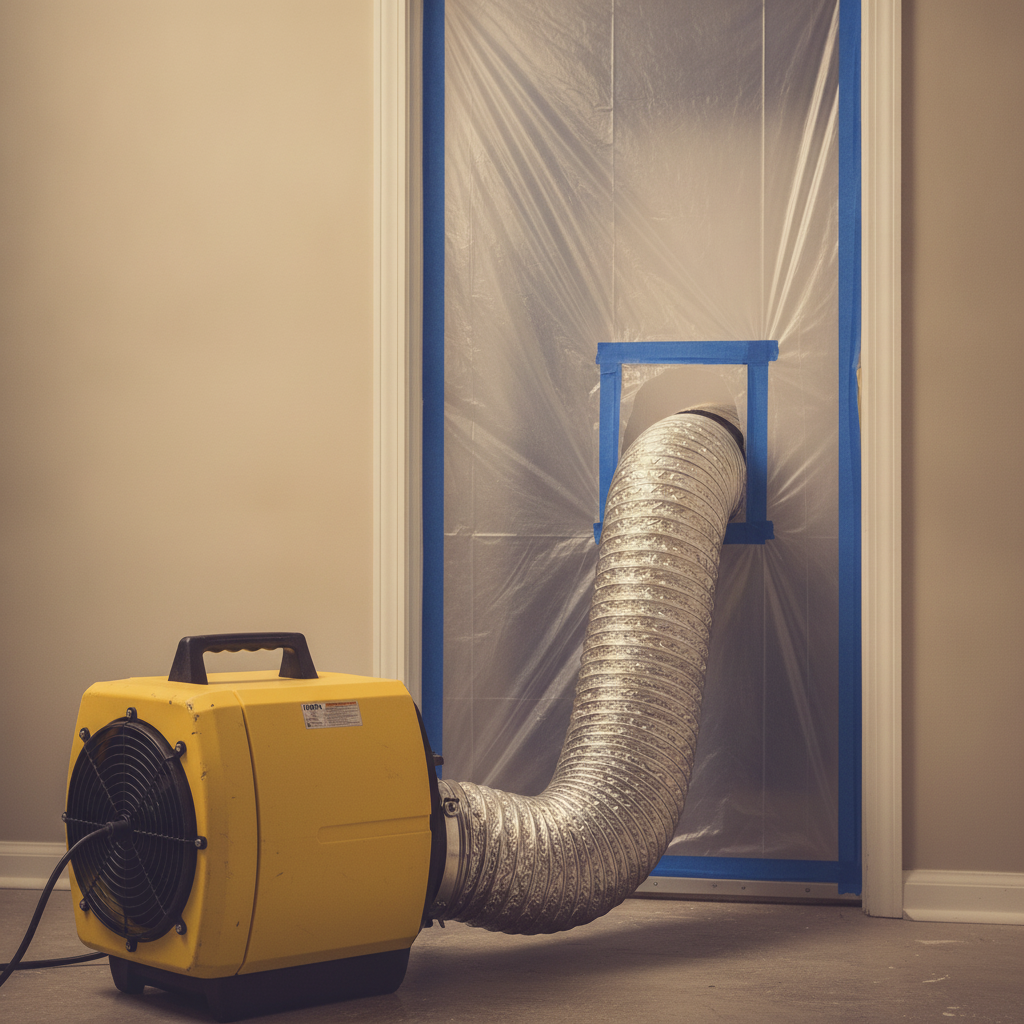
DIY only on hard, wipeable surfaces in a small area after you’ve fixed the moisture source. Stop and call a certified team if growth stretches beyond a single small patch, touches drywall or insulation, or sits in attics, basements, or HVAC. Hidden mold and porous materials aren’t DIY.
Based on the Scarborough homes we inspect every week—1950s–1980s brick semis, post‑war bungalows, and newer townhomes—here are the lines we won’t let clients cross:
- Small and hard‑surface only: Tile, glass, metal, or sealed paint in a confined spot is fine to clean.
- Porous equals removal: Once drywall, ceiling tiles, or insulation are impacted, those materials must be removed under containment.
- Attic and basement spread fast: In local attics we commonly see one to four roof‑sheathing panels (roughly 32–128 sq. ft.) stained before smells reach living spaces—don’t DIY that.
- HVAC distributes spores: If supply or return ducts show growth, shut the system down and schedule professional remediation.
For general household guidance, see U.S. We align with those principles while applying Ontario‑specific building realities.
What You Need Before You Start: Safety and Assessment
Put on PPE, control airflow, and confirm the moisture source. If there’s musty odor without a visible patch, stop—hidden mold is likely. Book a same‑day moisture and thermal imaging assessment so you don’t spread spores through guesswork.
Safety basics you shouldn’t skip
- PPE: Gloves, eye protection, and a NIOSH‑approved respirator (N95 or better).
- Airflow: Crack a window and exhaust outward. Keep central HVAC off during cleaning.
- Wet clean only: No dry brushing or sanding that launches spores.
Assessment that prevents repeat problems
- Moisture mapping: Use a meter; on wood framing we don’t sign off until readings are at or below ~16%.
- Thermal imaging: Cold roof decks and wet basement corners stand out—use it to find hidden leaks.
- Escalate fast: If odor > visibility, schedule a free inspection so we can trace the hidden source.
Our Scarborough team performs same‑day mold inspection and remediation with moisture assessment and clear next steps. That keeps small jobs small—and hands off the risky ones.
How to Remove Mold from Home: Step‑by‑Step
For a small, hard‑surface patch: contain the area, wet‑clean with detergent, rinse, dry within 24–48 hours, and correct the moisture. If you discover porous materials are affected, stop and switch to certified remediation.
- Contain the area and direct air outdoors. Keep HVAC off.
- Wear PPE—gloves, eye protection, and a respirator.
- Wet clean hard surfaces (tile, glass, metal, sealed paint) with detergent and water. Wipe, then rinse.
- Bag porous items (cardboard, ceiling tiles) you can’t properly clean.
- Dry thoroughly within 24–48 hours using fans and dehumidification.
- Fix the source—repair leaks, vent bathrooms to the outdoors, and keep indoor RH near 40–50% in winter.
- Monitor for staining or odor. If it returns, arrange professional testing/remediation.
These steps cover light mildew in bathrooms, laundry rooms, and kitchens. For basements with damp foundation walls or attic sheathing discoloration, the risk of spreading spores is high without negative air and HEPA filtration—our containment prevents that.
The Surfaces and Situations That Always Need a Professional
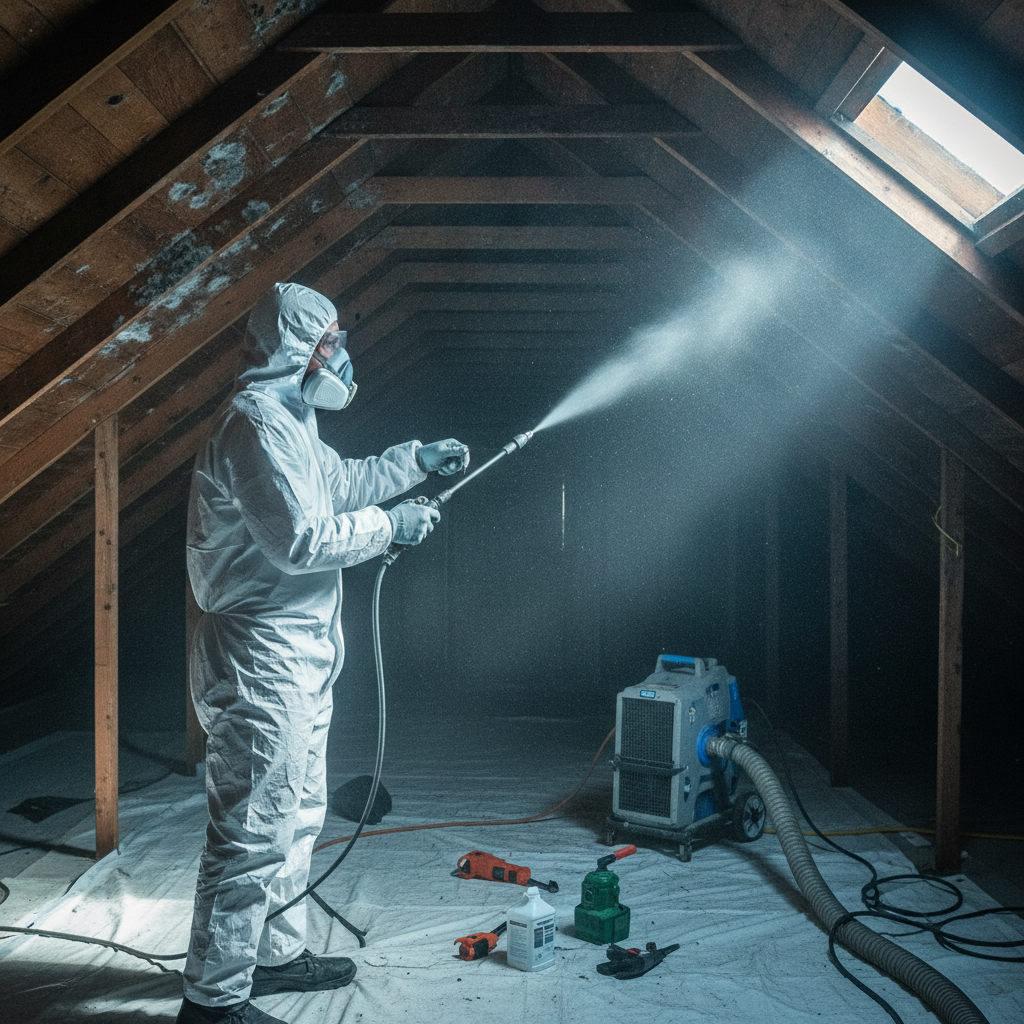
Call certified remediators for attics, basements/crawl spaces, HVAC, flood or sewage events, and any drywall or insulation damage. These require HEPA‑filtered negative air, controlled removal, and documented clearance.
- Attics: In Scarborough, bathroom fans routed into attics create widespread sheathing stains. We treat framing and correct ventilation.
- Basements/crawl spaces: Spring thaw and August humidity drive persistent wall mold. We dehumidify, remediate, and address seepage.
- HVAC: Growth in ducts or on coils spreads spores through every room—shut it down and remediate under containment.
- Floods/sewage: Category 2–3 water demands controlled removal and disinfection. No exceptions.
- Drywall/insulation: Once these are impacted, selective demolition under negative pressure is mandatory.
Professional work also protects your timeline. Our Mold Remediation Warranty Certificate matters at closing—Ontario real estate lawyers and buyers’ agents routinely ask for proof a licensed team remediated the issue. We provide that so your sale doesn’t stall.
Free same‑day inspection in Scarborough. Attic stains, basement odor, or HVAC growth? We’ll diagnose, contain, and remediate—then document it in writing.
How ASM Mold Removal Handles What DIY Cannot
We manage the entire job: inspect, contain, remove contamination, treat structural wood, correct moisture and ventilation, and restore. HEPA filtration and negative pressure prevent spread, and our Warranty Certificate provides proof for buyers and insurers.
Our Ontario‑standard process (what you actually get)
- Same‑day inspection & testing: Moisture mapping and thermal imaging pinpoint hidden leaks. Air quality testing when conditions warrant.
- Containment that protects your living space: Poly barriers and pressure differentials with HEPA air scrubbers keep clean rooms clean.
- Targeted removal + cleaning: We remove unsalvageable drywall/insulation, HEPA‑vac the structure, and apply antimicrobial treatments to framing.
- Fix the cause, not just the symptom: Vent bathroom fans to the exterior, improve soffit/ridge intake, recommend dehumidification, and seal bypasses.
- Documentation that travels with the house: Photos, a scope summary, and a Mold Remediation Warranty Certificate after inspection.
We frequently remediate Scarborough attics where one to four roof‑sheathing panels are affected, and basements where humidity spikes past 60% in late summer. Our crews stabilize humidity, remediate, and confirm dry readings before we wrap containment.
Local Tip: Ontario Humidity, Basements, and Attics
Ontario’s freeze‑thaw cycles and summer humidity load attics and basements with moisture. Vent fans outdoors, keep indoor RH near 40–50% in winter and under ~55% in summer, and confirm attic intake/exhaust are clear. Correct airflow and sealing prevent repeat mold.
Scarborough homeowner insight
In Scarborough, we see two repeat patterns: post‑war bungalows with bathroom exhausts dumping into attics, and 1970s–80s semis with undersized soffit intake. Fixing those plus air‑sealing around ceiling penetrations stops attic sheathing stains from returning.
Local considerations for Scarborough
- Expect August humidity to push unfinished basement RH over 60%—run a dehumidifier and keep interior doors ajar for airflow.
- After spring thaw or heavy rain, scan utility rooms and cold corners for musty odor; if present, book an inspection.
- For attic work, verify bathroom and kitchen fans vent outdoors and soffit/ridge vents are unobstructed; our team checks this on every attic job.
Frequently Asked Questions
Homeowners can clean tiny patches on hard surfaces, but porous materials, attics, basements, HVAC, and any flood event require certified remediation. Fixing moisture and documenting the work are essential for long‑term results and real estate peace of mind.
How do I know if it’s safe to DIY mold removal?
DIY only if the patch is small and on tile, glass, metal, or sealed paint—and you’ve fixed the leak or humidity source. If drywall, insulation, an attic, basement, or HVAC is involved, stop and schedule a certified remediation with containment and HEPA filtration.
What should I use to clean small mold patches?
Use regular detergent and water. Wipe, rinse, and dry within 24–48 hours. Don’t dry‑scrape or aggressively sand. If odor or staining returns, hidden moisture is driving regrowth—get a professional moisture and thermal imaging assessment.
Why are attics and basements in Scarborough so prone to mold?
Cold roofs, warm indoor air leaks, and summer humidity. Bathroom fans venting into attics stain roof sheathing, and basements pass 60% RH in August. Proper ventilation, air‑sealing, dehumidification, and certified remediation prevent repeat growth.
Do you provide documentation after remediation?
Yes. Every project includes photos, a scope summary, and a Mold Remediation Warranty Certificate after inspection. That proof satisfies most buyers, agents, and insurers during real estate transactions.
Key Takeaways
Clean only tiny, hard‑surface patches after fixing moisture. Attics, basements, HVAC, floods, and porous materials require certified remediation with HEPA containment and documentation. In Scarborough, ventilation fixes and humidity control prevent repeat growth.
- DIY stops at small, hard‑surface patches with a fixed moisture source.
- Containment, HEPA filtration, and negative pressure prevent cross‑contamination.
- Scarborough homes benefit from venting fans outdoors and keeping RH under ~55% in summer.
- Close the loop with a same‑day inspection and a written Warranty Certificate.
- Learn more about our approach on the About page or visit the home page.
About the author: ASM Mold Removal Inc. is a Scarborough‑based, Ontario‑wide remediation team specializing in attics, basements, crawl spaces, HVAC systems, and restoration. We provide free inspections, same‑day response, HEPA‑contained remediation, and a Mold Remediation Warranty Certificate after inspection.