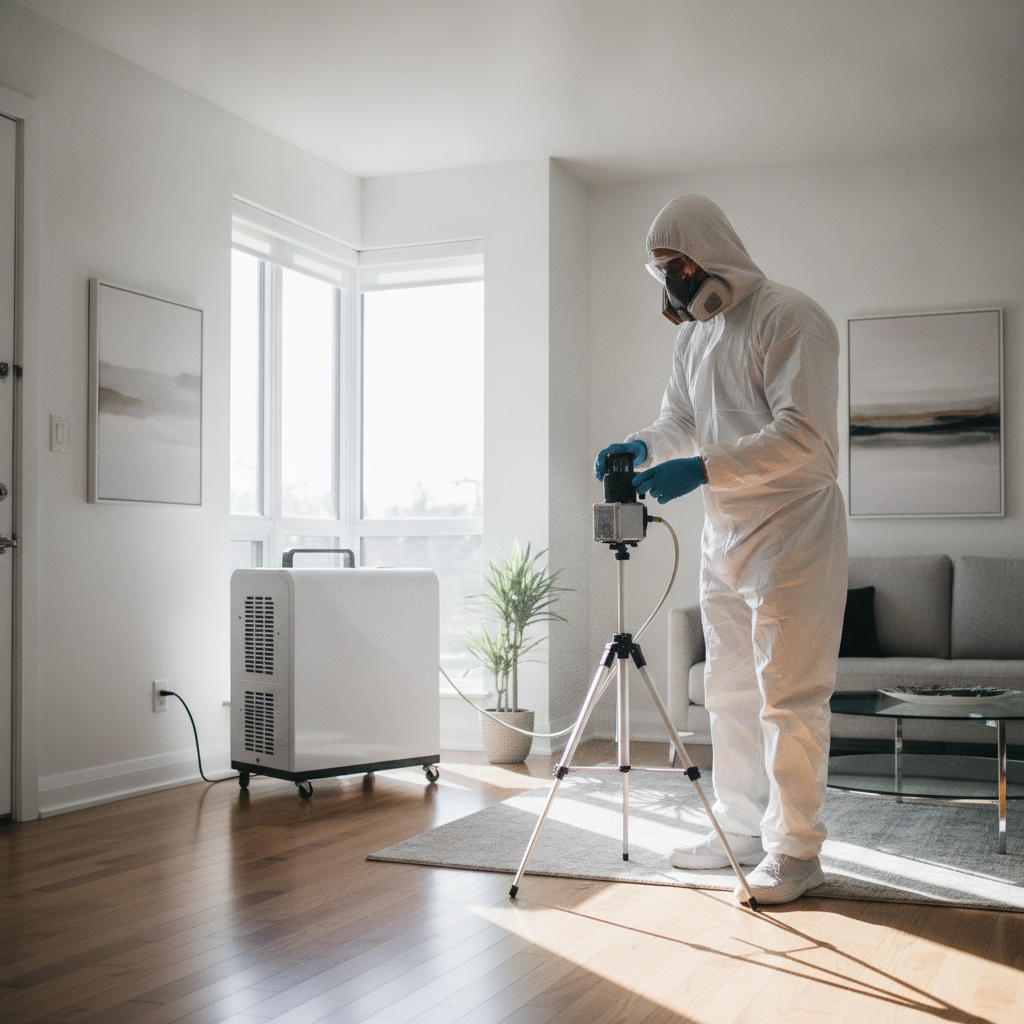
Professional mold testing is the systematic assessment of indoor air and surfaces for mold by certified technicians using calibrated equipment and accredited labs. It identifies hidden growth, quantifies spore levels, and directs targeted remediation. In Scarborough, timely testing supports safe cleanup, prevention, and documentation for real estate and warranty needs.
By Amardeep Mamidi • Last updated: 2026-06-26
Overview
Professional mold testing confirms whether elevated mold is present, pinpoints moisture-fed sources, and informs a precise remediation plan. In one visit, a certified assessor gathers air and surface samples, maps moisture, and documents findings—so you get a clear, defensible report for health, insurance, or real estate decisions.
If you’re seeing spots on drywall, smelling a musty odor, or dealing with a past leak, you need clear answers fast. This complete guide explains what professional mold testing covers, how it works in real homes and businesses, and how our Scarborough-based team supports safe, reliable remediation and prevention.
- What mold testing is and when to order it
- Step-by-step process, sampling types, and lab reports
- Why testing matters for health, buildings, and transactions
- Testing methods pros and cons
- Best practices for accurate, defensible results
- Tools professionals use to find hidden issues
- Scarborough case studies and outcomes
- DIY kits vs. professional testing comparison
- Preparation checklist for your visit
- Interpreting your lab report with confidence
- Prevention after testing to stop recurrence
- Frequently asked questions and fast answers
Local considerations for Scarborough
- Winter-to-spring thaws and summer humidity can drive attic and basement moisture; schedule testing soon after weather shifts.
- After any plumbing leak or roof event, allow initial drying, then test within 24–72 hours to capture representative indoor air.
- High-occupancy homes benefit from HVAC inspections during testing to address recirculated spores and clogged filters.
What Is Professional Mold Testing?
Professional mold testing is a structured inspection and sampling protocol that measures airborne and surface mold against outdoor baselines. It combines moisture mapping, targeted sampling, and accredited laboratory analysis to determine if indoor conditions are normal or amplified, and to guide remediation plans.
Testing isn’t guesswork. It’s a documented protocol executed by trained assessors. The scope usually includes a visual inspection, moisture readings of building materials, and air or surface sampling where risk is highest—attics, basements, bathrooms, crawl spaces, and HVAC supply/return points.
Core objectives
- Confirm or rule out elevated mold indoors versus typical outdoor levels.
- Locate moisture sources feeding growth (roof leaks, condensation, plumbing issues).
- Identify mold types found on surfaces or in air samples to inform safety controls.
- Document findings in a report you can share with buyers, insurers, or property managers.
Where testing is used
- Attics with dark staining or frosty sheathing in winter.
- Basements after seepage, sump failures, or foundation cracks.
- Crawl spaces with poor vapor barriers or standing water.
- Post-remediation clearance to verify normal fungal ecology before re-occupancy.
- Real estate transactions requiring objective, third-party documentation.
What testing does not do
- It doesn’t replace remediation—sampling informs the plan but doesn’t remove mold.
- It won’t fix moisture problems; source control is still required.
- It isn’t a pass/fail for health; it’s a building condition assessment that supports medical advice.
Why Professional Mold Testing Matters
Testing matters because hidden moisture and elevated spores can undermine health, damage structures, and derail real estate deals. A defensible test differentiates normal background from problem areas, enabling targeted cleanup, faster approvals, and fewer callbacks after remediation.
Unchecked moisture drives microbial growth that discolors surfaces and weakens materials. Elevated indoor spores often signal concealed leaks or ventilation issues. Independent, lab-backed results help you prioritize fixes, protect occupants, and avoid doing too much—or not enough—during remediation.
- Health: Sensitive individuals may react to damp, moldy spaces; clear data supports medical and workplace decisions.
- Building: Persistent dampness deteriorates insulation, drywall, and framing over time.
- Documentation: Real estate transactions and insurance claims often request third-party reports.
- Quality control: Post-remediation testing verifies that containment, cleaning, and filtration restored normal conditions.
How Professional Mold Testing Works (Step-by-Step)
A certified assessor inspects, measures moisture and humidity, then collects targeted air and surface samples under standard conditions. Samples go to an accredited lab for analysis. Within 24–72 hours, you receive a report interpreting results and a remediation roadmap tailored to the building.
- Intake and scoping: We review your concerns, recent leaks, odors, or renovations and prioritize rooms.
- Visual inspection: We examine attics, basements, crawl spaces, baths, kitchens, and mechanical rooms.
- Moisture mapping: Moisture meters and thermal imaging pinpoint wet materials and cold spots.
- Environmental checks: We log indoor/outdoor temperature and relative humidity and review ventilation.
- Air sampling: We compare indoor rooms to an outdoor baseline using calibrated pumps and cassettes.
- Surface sampling: Swabs or tape confirm whether discoloration is mold and identify general types.
- Chain of custody: We seal, label, and ship samples to an accredited laboratory for analysis.
- Report & plan: You get clear findings, photos, and a remediation or prevention plan.
For urgent concerns in Scarborough, our same-day response helps stabilize conditions quickly. If remediation is needed, ASM Mold Removal uses HEPA filtration, source containment, and eco‑friendly, EPA‑approved treatments, then issues a Mold Remediation Warranty Certificate after clearance testing and inspection.
Types of Mold Testing Methods
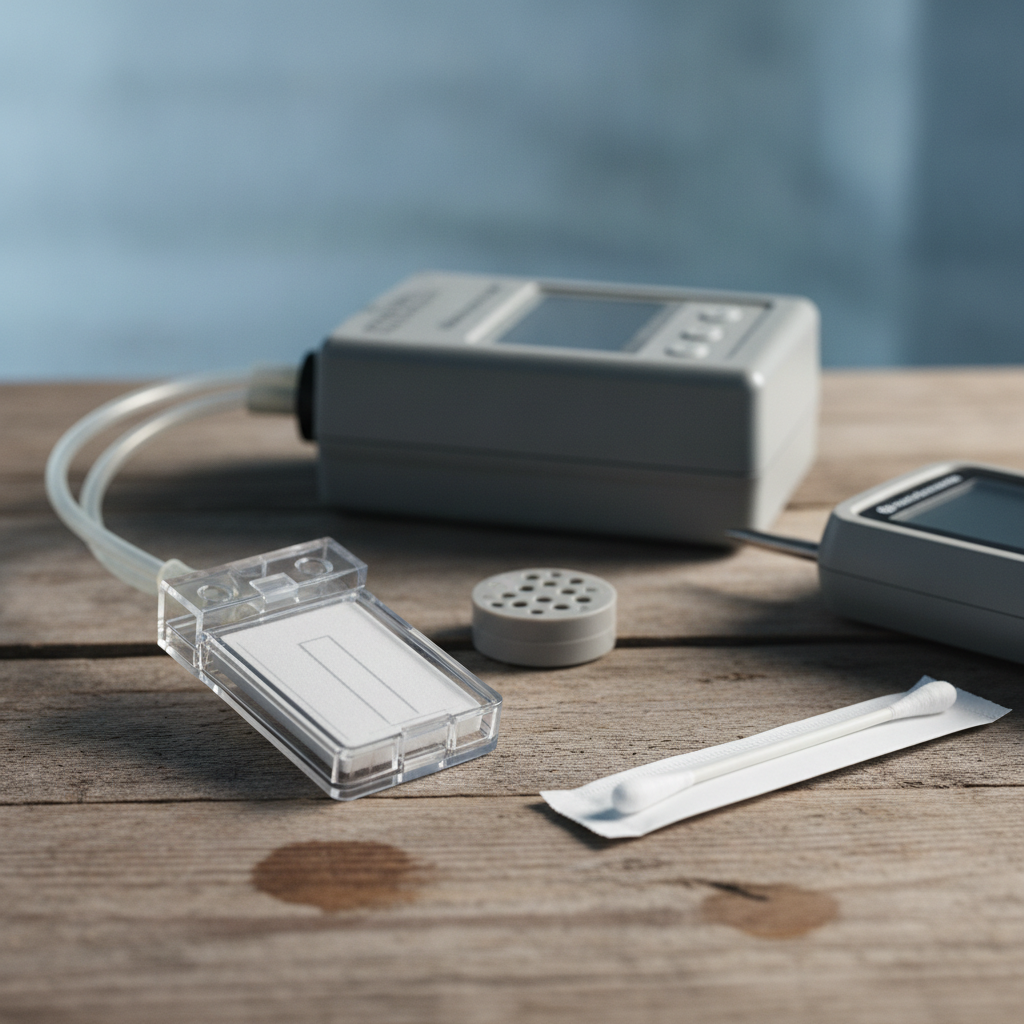
Professionals choose methods based on risk and building science. Air sampling establishes indoor vs. outdoor balance; surface sampling confirms visible growth; bulk sampling evaluates materials; and moisture/thermal tools find sources. Combining methods produces the most reliable, defensible conclusions for remediation and prevention.
Air sampling (spore traps)
- Captures airborne spores over a fixed time and flow rate to compare rooms with outdoor air.
- Useful for hidden growth or post-remediation verification and for HVAC return/supply checks.
- Requires controlled conditions (windows closed, typical occupancy, HVAC settings documented).
Surface sampling (swab or tape)
- Confirms whether discoloration is mold and identifies general types present.
- Best for targeted spots on drywall, sheathing, framing, or caulking; guides cleaning chemistry.
Bulk sampling
- Analyzes pieces of material (e.g., insulation, drywall) when surface results are inconclusive.
- Useful during renovation or when demolition has exposed suspect materials.
Moisture and thermal diagnostics
- Moisture meters quantify dampness in drywall, framing, and subfloors.
- Thermal cameras reveal cold, wet, or poorly insulated areas that can condense moisture.
- Findings drive ventilation fixes and targeted repairs; see moisture content analysis basics for context.
Best Practices for Accurate, Defensible Results
Accuracy comes from controlling test conditions, documenting methods, and using accredited labs. Close windows for 12–24 hours, avoid heavy cleaning beforehand, stabilize HVAC settings, and maintain strict chain-of-custody so results reflect typical conditions and can stand up to scrutiny in reports.
- Control conditions: Close exterior doors/windows and keep normal occupancy patterns before sampling.
- Pause disturbance: Avoid sweeping, sanding, or fogging that could skew airborne counts.
- Standardize HVAC: Run systems as usual; document filtration and recent maintenance.
- Document thoroughly: Record meter models, locations, heights, durations, and weather.
- Use accredited labs: Choose labs with formal quality systems and traceable results; see an overview of analytical testing workflows.
- Retest when needed: After remediation, clearance testing verifies normal fungal ecology.
Tools and Resources Professionals Use
Certified assessors rely on calibrated pumps, spore trap cassettes, moisture meters, hygrometers, thermal cameras, borescopes, and HEPA filtration during remediation. The right tools, combined with training and documentation, produce clear reports and reliable action plans for homeowners and property managers.
- Calibrated air pumps with documented flow rates and timing
- Spore trap cassettes and sterile swabs/tape for targeted sampling
- Thermal imaging cameras and pin/pinless moisture meters to map sources
- Hygrometers and data loggers tracking RH/temperature over 24–72 hours
- HEPA air scrubbers and negative air machines used during remediation
- Containment materials and PPE to protect occupants and workers
During moisture investigations, we correlate non-invasive thermal findings with direct meter readings. Understanding moisture content determination helps validate whether building materials are drying properly before re-building.
Scarborough Case Studies: Real-World Examples
In Scarborough homes and businesses, testing often uncovers hidden moisture behind attics, basements, and washrooms. These snapshots show how targeted sampling plus source repair, containment, and HEPA filtration restored normal indoor conditions and provided documentation for owners and agents.
- Attic ventilation issue: Winter frost led to spring staining. Air samples near the hatch showed elevated spores versus outdoors. Ventilation improvements, wood treatment, and post-remediation testing confirmed normal levels.
- Basement seepage after storm: Moisture mapping found damp baseplates. Surface swabs confirmed growth on drywall paper. Localized removal, drying, and clearance sampling resolved odors and concerns.
- Retail stockroom leak: A pinhole pipe leak dampened ceiling tiles. Air sampling after drying confirmed no amplification, avoiding unnecessary disruption.
- Healthcare office HVAC: Clogged filters and condensate overflow distributed spores. After cleaning and filter upgrades, retesting verified improvement.
- Condo bathroom exhaust: Undersized fan caused condensation. Surface samples at grout confirmed growth; upgraded ventilation and targeted cleaning solved recurrence.
DIY Kits vs. Professional Mold Testing
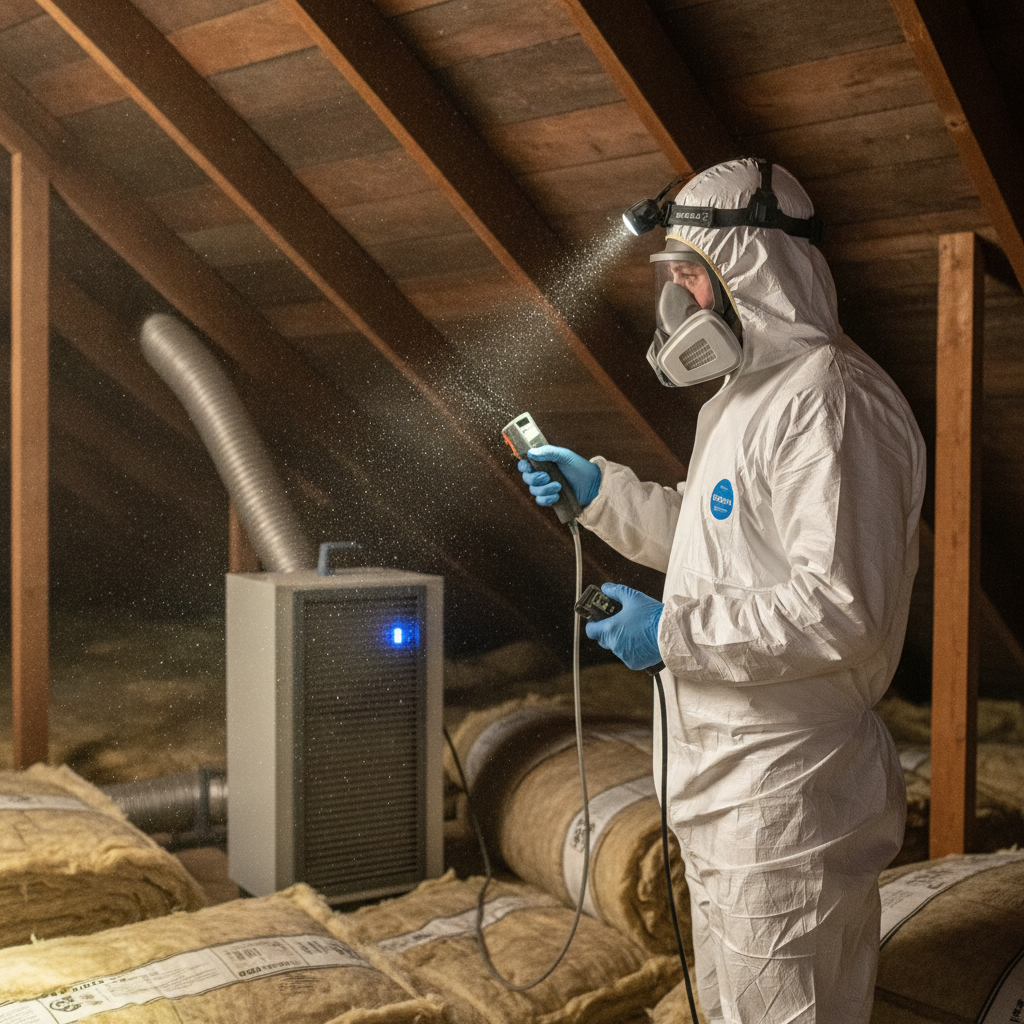
DIY kits can flag visible mold but rarely provide context, baselines, or defensible reports. Professional testing compares rooms to outdoors, links results to moisture sources, and delivers documentation that stands up in real estate and insurance contexts, reducing risk and unnecessary disruption.
| Feature | DIY Kits | Professional Testing |
|---|---|---|
| Sampling design | Uncontrolled, single-sample | Protocol-driven with indoor/outdoor baselines |
| Moisture/thermal diagnostics | None | Included to pinpoint sources |
| Accredited lab analysis | Varies | Standard |
| Actionable plan | Limited | Clear remediation roadmap |
| Documentation | Minimal | Defensible report and photos |
Preparation Checklist for Homeowners and Managers
A little preparation makes testing faster and more accurate. Keep windows closed, pause heavy cleaning, clear access to attics and basements, and list recent leaks or odors. Document HVAC settings and filter changes so the assessor can interpret samples in proper context.
- Close windows/doors 12–24 hours before sampling; run HVAC as usual.
- Pause vacuuming, sanding, or fogging for 24 hours to avoid skewing counts.
- Clear access to attic hatches, furnace rooms, and crawl space entries.
- List recent water events, renovations, and humidity readings if available.
- Secure pets and note allergy/asthma sensitivities for PPE planning.
- Have prior reports or photos ready for quicker scoping.
If you need same-day help in Scarborough, our team can handle testing and—if needed—remediation with containment, HEPA air scrubbing, antimicrobial treatment, and documentation. Request a same-day visit.
Interpreting Your Lab Report
A good report translates lab data into plain language. It compares indoor vs. outdoor levels, highlights areas of concern, links results to moisture sources, and outlines next steps—ranging from monitoring to targeted remediation with post-clearance testing.
- Indoor vs. outdoor: Rooms should generally resemble the outdoor baseline in type and proportion.
- Dominant types: Certain indoor-dominant spores can indicate active or hidden growth.
- Location notes: Elevated counts near attics, basements, or returns often track back to leaks or ventilation issues.
- Recommended actions: Drying, removal of affected materials, cleaning methods, and ventilation improvements.
- Verification: Post-remediation clearance to confirm normal fungal ecology before closing walls.
Prevention After Testing and Remediation
Prevention focuses on moisture control and ventilation. Maintain indoor relative humidity near the 30–50% range, fix roof and plumbing leaks promptly, improve attic and bath ventilation, and replace HVAC filters regularly. These steps help keep spore levels normal after remediation.
- Control humidity with dehumidifiers during humid months.
- Vent bathrooms and kitchens directly outdoors; use timers on fans.
- Improve attic airflow; address blocked soffits and undersized vents.
- Repair roof, window, and foundation leaks as soon as they appear.
- Replace HVAC filters on schedule; clean coils and drain pans.
- Monitor basements and crawl spaces with RH meters and alarms.
Frequently Asked Questions
Homeowners and property managers often ask about timing, preparation, and how lab results translate into action. These concise answers cover the essentials so you know what to expect before, during, and after professional mold testing.
When should I order professional mold testing?
Right after a leak or flood is controlled, when you notice musty odors, see staining, or before closing a real estate deal. Testing is also recommended after remediation to verify that indoor conditions match normal outdoor ecology.
Do I need both air and surface samples?
Usually one or both are used. Air sampling shows whether indoor airborne spores are elevated compared to outdoors. Surface sampling confirms if discoloration is mold and helps tailor the remediation method and cleaning agents.
How long do lab results take?
Most accredited labs return results within 24–72 hours. Your final report includes photos, readings, and plain-language interpretation, along with a remediation or prevention plan if issues are found.
Will testing by itself remove mold?
No. Testing diagnoses conditions and guides the plan. If remediation is needed, a certified team handles containment, HEPA filtration, removal, and eco‑friendly treatments. Post-remediation testing then confirms that normal conditions are restored.
Key Takeaways
Professional mold testing delivers clarity, safety, and a roadmap. With accurate sampling and accredited analysis, you’ll know whether conditions are normal and exactly how to fix and prevent problems—backed by documentation for owners, tenants, and real estate needs.
- Testing compares indoor rooms to outdoor baselines to confirm or rule out issues.
- Moisture mapping and thermal imaging pinpoint sources you can repair.
- Reports translate data into actions and prevention steps.
- Post-remediation clearance confirms normal indoor fungal ecology.
- Same-day support in Scarborough helps you act quickly and confidently.
Conclusion and Next Steps
Professional mold testing gives you the evidence to act. Combine a documented inspection, targeted sampling, and accredited lab analysis to guide safe remediation and long-term prevention. If you’re in Scarborough, same-day scheduling helps you solve problems before they spread.
- Next step: If you notice odors, staining, or recent leaks, schedule a professional mold testing visit.
- Plan ahead: Keep windows closed 12–24 hours and pause heavy cleaning before your appointment.
- Act fast: Resolve moisture sources and follow the remediation plan; request post-clearance testing.
Ready to move forward? Book a same-day professional mold testing appointment in Scarborough and get an actionable plan backed by documentation. Contact our team.