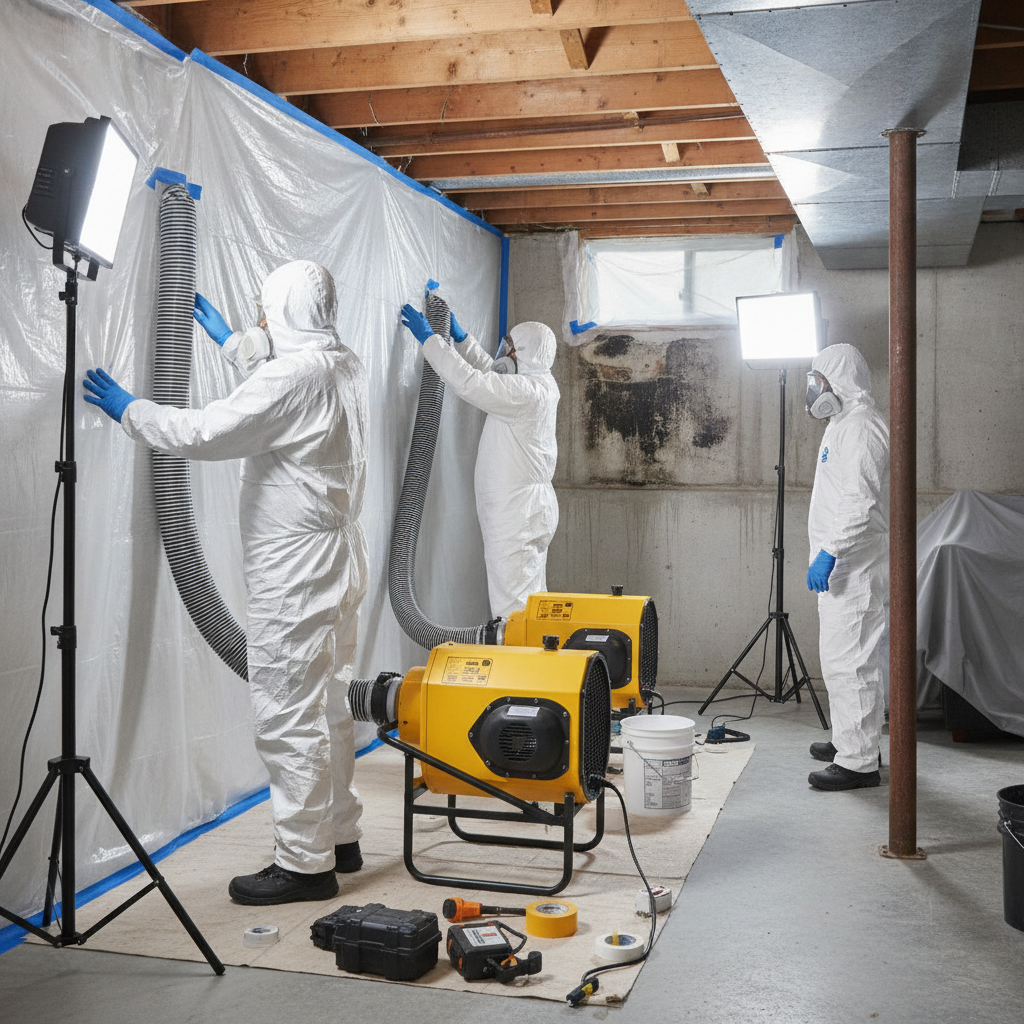
Professional black mold removal is the certified process of identifying, containing, and eliminating toxigenic molds from indoor environments. It relies on HEPA filtration, negative air pressure, and EPA-approved disinfectants to restore safe air quality. In Scarborough homes and workplaces, acting quickly reduces respiratory risks and prevents moisture from driving repeat outbreaks.
By Asmmoldremoval • Last updated: 2026-06-24
Above-the-Fold Hook + Table of Contents
If you can see or smell mold, assume exposure has started. This guide explains what black mold is, why speed matters, and how professional remediation works—from inspection to containment, removal, and prevention—so Scarborough homeowners and property managers can take confident, immediate action.
When mold shows up, minutes matter. Here’s how to move from worry to a clear, safe plan—without guesswork—and how our team approaches residential and commercial projects in Scarborough.
- What is black mold?
- Why black mold remediation matters
- How professional removal works
- Methods and approved approaches
- Best practices that protect your home
- Tools, equipment, and resources
- Case studies from Scarborough
- FAQ
- Conclusion + next steps
What Is Black Mold?
Black mold refers to dark-pigmented species like Stachybotrys that thrive on wet cellulose (drywall, wood, insulation). It often follows leaks, poor ventilation, or flooding. Professional black mold removal combines inspection, containment, HEPA filtration, and disinfectants to eliminate growth and stop spores from spreading into clean rooms.
Black mold isn’t just a color—it’s a sign of persistent moisture. In practice, we see it on attic sheathing, bathroom drywall, basement studs, and in damp crawl spaces. Mold colonies can start forming within 24–48 hours of water intrusion, and humidity above 60% accelerates growth.
- Common causes: roof leaks, attic ventilation gaps, bathroom exhausts venting into attics, foundation seepage, plumbing failures, and past flooding.
- Where it hides: behind baseboards, under vinyl flooring, beneath insulation, inside HVAC returns, and on the back of drywall.
- Typical signs: musty odor, dark spotting on drywall or wood, peeling paint, recurring condensation, and allergy-like symptoms that improve outdoors.
In our work across Ontario, we frequently remediate attic sheathing after seasonal freeze–thaw cycles trap moisture. We also address basements where minor seepage combines with poor air exchange, creating a steady supply of damp surfaces for mold to colonize.
Why Professional Black Mold Removal Matters
Professional remediation stops exposure, preserves building materials, and prevents mold from returning. Certified teams use negative pressure, HEPA filtration, and validated disinfectants to remove contamination safely. This reduces health complaints, eliminates musty odors, and protects sale or lease timelines for your property.
Here’s the thing: DIY cleaning often smears spores around and drives mold deeper into porous materials. A professional setup contains particles at the source and filters the air to 99.97% at 0.3 microns (HEPA), capturing fine spores that ordinary vacuums blow back into the room.
- Health and comfort: Less coughing, fewer headaches, and fewer sinus issues once spore loads drop. People with asthma or sensitivities feel relief faster.
- Structure and finishes: Drywall, subfloors, and framing last longer when moisture is corrected and colonies are fully removed.
- Real estate readiness: Our Mold Remediation Warranty Certificate supports buyers, sellers, and agents who need confidence that treated areas are free from active mold after completion and inspection.
We’ve found that speed changes outcomes. The earlier we stabilize moisture and establish negative pressure, the less demolition is usually required—and the sooner families and businesses can return to normal routines.
How Professional Black Mold Removal Works
The process follows a proven sequence: inspection and moisture assessment, containment setup with negative air, source removal and HEPA vacuuming, disinfection with EPA-approved products, controlled drying, and verification. Documentation and prevention steps complete the job and reduce the chance of recurrence.
Below is the high-level workflow we use across residential and commercial properties in Scarborough. While every site is unique, this sequence keeps projects safe, predictable, and fast:
- Free inspection and assessment: Visual review, moisture readings, and optional air quality testing to define scope.
- Containment + negative air: Plastic barriers, zipper doors, and negative pressure (commonly 5–10 Pa) to prevent cross-contamination.
- Removal and HEPA vacuuming: Careful demolition of unsalvageable materials; HEPA vacuuming of surfaces to capture fine spores.
- Disinfection and cleaning: Application of EPA-approved antimicrobials appropriate for the material and level of contamination.
- Drying and dehumidification: Bringing materials to target moisture levels and normalizing indoor humidity below ~50%.
- Verification and documentation: Visual clearance, optional testing, photos, and our Mold Remediation Warranty Certificate after completion and inspection.
Two points most people miss: negative air protects clean rooms during demolition, and HEPA filtration continues after cleaning to scrub lingering aerosols. Stopping both the colony and the airflow that spreads it is what makes professional remediation durable.
Types, Methods, and Approved Approaches
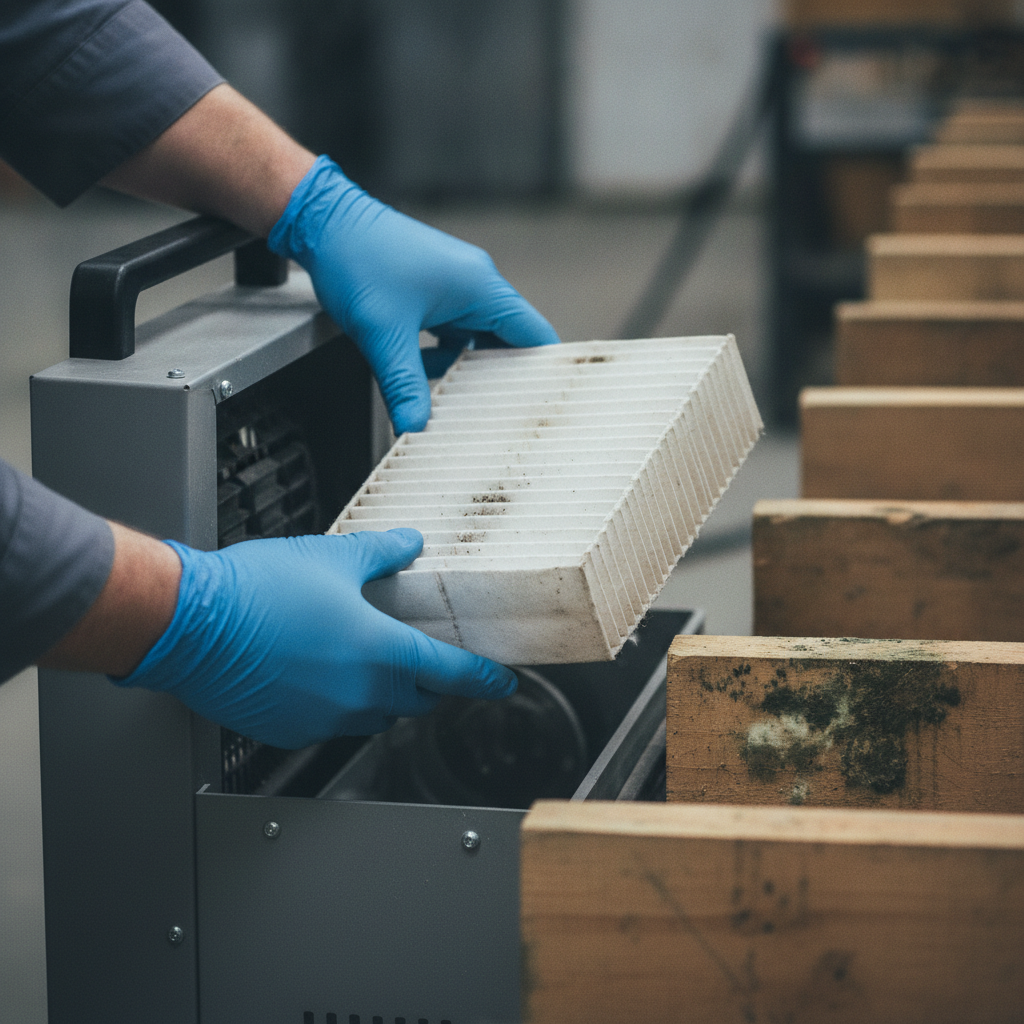
Effective black mold remediation blends mechanical removal with targeted chemistry and air control. Expect source removal of damaged materials, HEPA vacuuming, damp wiping, and antimicrobial application, supported by negative pressure and ongoing filtration until verification confirms results.
Where methods differ by area
- Attics: Focus on sheathing and rafters, ventilation balance, insulation removal and replacement where saturated, and sealing bath fan exhausts to outdoors.
- Basements: Address seepage, vapor barriers, sump function, and dehumidification; treat studs, sill plates, and backside of drywall where accessible.
- Crawl spaces: Encapsulation options, ground vapor control, and air exchange improvements; treat joists and subfloor while managing humidity.
- Bathrooms/kitchens: Remove wet drywall where needed, upgrade exhausts, and seal plumbing penetrations to reduce future condensation.
- HVAC systems: Clean or replace contaminated components, improve filtration, and ensure ducts aren’t reintroducing spores to clean zones.
Decision points we evaluate on-site
- Salvageability: Porous items heavily colonized (e.g., saturated drywall) are removed; semi-porous or non-porous may be cleaned and treated.
- Air handling: When to increase negative air exchanges per hour and how many air scrubbers to deploy per cubic footage.
- Drying targets: Achieving equilibrium moisture content in wood and subfloor before reassembly; maintaining indoor RH near 40–50%.
For transparency and safety, we use eco‑friendly, EPA‑approved antimicrobials and follow containment protocols that protect occupied spaces. When finished, we document the work thoroughly so you can demonstrate clearance during a sale or lease.
Best Practices That Prevent Comebacks
The best remediation prevents future growth. Control moisture, ventilate correctly, filter the air during work, and verify dryness before rebuilding. Pair professional removal with durable prevention—insulation fixes, ventilation upgrades, and dehumidification—to stop mold from returning.
Moisture control essentials
- Find and fix the source: Roof, plumbing, or foundation issues must be resolved before any antimicrobial works long-term.
- Ventilation balance: Bathroom and kitchen fans should vent outdoors; attics need balanced intake and exhaust to prevent condensation.
- Dehumidification: Keep RH near 40–50% in basements and crawl spaces; size units for the square footage and leakage rate.
During-remediation safeguards
- Negative pressure containment: Maintain directional airflow into the work zone so spores don’t escape during demolition.
- HEPA-only vacuuming: Standard vacuums redistribute fine particles; HEPA captures down to 0.3 microns at 99.97% efficiency.
- Controlled debris handling: Bag and seal waste before moving it through clean areas; wipe pathways after removal.
Aftercare and monitoring
- Confirm dryness: Wood and drywall should be at target moisture levels before closing walls.
- Watch humidity: Use a hygrometer; if RH creeps above 60%, expect condensation on cool surfaces.
- Seasonal checks: Inspect attics after cold snaps and thaws; look for frost staining, drip marks, or damp insulation.
We tie all prevention steps to the site’s real moisture behavior. For example, in Scarborough, shoulder seasons can swing humidity quickly. A dehumidifier on a humidity controller often stabilizes basements that would otherwise drift into the 60–70% RH range.
Tools, Equipment, and Resources
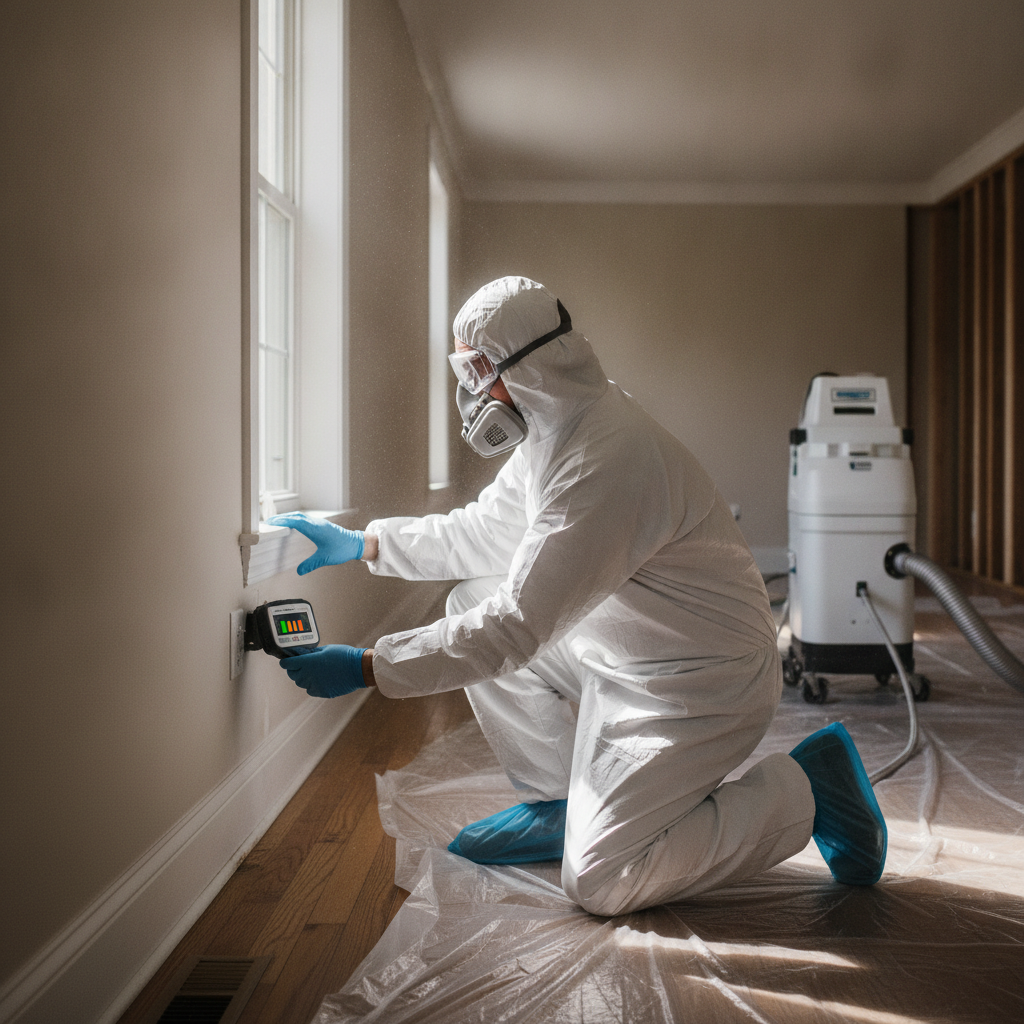
Professional remediation relies on specialized tools: moisture meters, thermal imaging, HEPA air scrubbers, negative air machines, containment materials, PPE, and EPA-approved antimicrobials. These tools let us find hidden wet spots, control airflow, remove contamination, and verify that the building is dry and clean.
- Moisture meters (pin and pinless): Confirm wet materials and track drying progress to safe levels.
- Thermal imaging cameras: Reveal temperature patterns that point to leaks or wet insulation you can’t see.
- HEPA air scrubbers: Continuously filter the work zone and adjacent spaces to reduce spore loads.
- Negative air machines: Create pressure differentials that protect clean areas during demolition and cleaning.
- PPE (respirators, suits, gloves): Protects occupants and technicians; prevents cross-contamination on clothing.
- Antimicrobials: EPA-approved disinfectants and protectants matched to surface and contamination level.
For homeowners wanting broader context on remediation services in general, you can see an industry service listing or compare approaches shown on specialized cleaning pages and their regional examples. These are examples for perspective, not endorsements.
DIY vs. Professional: Process and Risk Comparison
DIY cleaning may remove surface staining but rarely controls airborne spread or hidden moisture. Professional remediation contains, filters, and verifies. If you need documentation for a sale or to protect sensitive occupants, a certified process is the safer, more reliable path.
| Aspect | DIY Cleaning | Professional Remediation |
|---|---|---|
| Containment | Often missing or minimal | Plastic barriers + negative air to prevent spread |
| Air Filtration | Household vacuums (re-release particles) | HEPA scrubbers capture 99.97% @ 0.3 microns |
| Moisture Control | Spot fixes only | Measured drying to target moisture content |
| Verification | Visual only | Visual + optional testing + photo documentation |
| Documentation | None | Mold Remediation Warranty Certificate after completion and inspection |
We’re often called after multiple DIY attempts. The pattern is the same: no containment, no negative air, and no moisture verification. Once we stabilize airflows and dry the structure, results tend to stick.
Local Considerations for Scarborough
Scarborough homes face attic condensation in cold snaps and basement humidity spikes in shoulder seasons. Pair remediation with ventilation checks and dehumidification. Time service before seasonal swings if possible, but schedule immediately if you see staining, smell must, or spot leaks.
Local considerations for Scarborough
- Plan attic checks after cold periods; ice and frost melt can leave drip marks on sheathing that feed new colonies.
- Basements may need dehumidifiers during damp spring and fall; set RH targets around 45–50% to keep surfaces dry.
- For multi-unit or commercial properties, coordinate remediation windows to minimize occupant disruption and keep ventilation balanced during work.
How to Engage a Professional in Scarborough
Start with a free inspection and moisture assessment to define scope. Expect a clear plan covering containment, removal, disinfection, drying, and verification. Choose a certified, insured team that documents every step and issues post-remediation assurance for your records.
- Book a free inspection and assessment for your home or business.
- Review the proposed containment layout, HEPA equipment plan, and drying targets for your space.
- Confirm use of EPA-approved antimicrobials and that technicians are certified and insured.
- Request documentation and our Mold Remediation Warranty Certificate details before work begins.
In our experience, a 20–30 minute call and an onsite visit are enough to map a safe, efficient path forward—especially when you provide photos, prior inspection notes, or humidity logs.
Case Studies and Examples
Real projects show what works: stabilize moisture, contain the zone, remove the source, and verify. In Scarborough, we see repeatable wins in attics, basements, and commercial spaces when prevention upgrades follow remediation.
Attic sheathing, single-family home
- Problem: Dark staining on north-facing sheathing, musty odor after cold snaps.
- Action: Containment in the hatch area, HEPA filtration, source removal and cleaning; bath fan re-routed outdoors; insulation adjusted for balanced intake/exhaust.
- Result: Odor eliminated; follow-up checks showed dry sheathing and steady winter humidity in the living space.
Finished basement rec room
- Problem: Recurring spots at the base of an exterior wall and persistent damp smell.
- Action: Partial drywall removal, negative air, HEPA vacuuming, EPA-approved disinfectant; added perimeter dehumidification on a controller.
- Result: Stable 45–50% RH and no return of staining across two seasonal swings.
Retail storage area
- Problem: Condensation on concrete walls causing mold on packaging.
- Action: Containment during cleaning, air scrubbing, targeted antimicrobial treatment; introduced air mixing and schedule-based ventilation.
- Result: Reduced odors, better occupant comfort, and fewer product losses.
Each example shares the same engine: remove, dry, and verify. Prevention upgrades lock in the result, and documentation supports future tenants, buyers, or auditors.
At a Glance: What to Remember
Black mold problems start with moisture and end when airflow, removal, and dryness are controlled. The fastest safe fix is a certified process with containment, HEPA filtration, EPA-approved products, and prevention upgrades verified by moisture readings.
- Professional black mold removal contains, filters, removes, disinfects, dries, and verifies.
- Humidity above ~60% and wet cellulose drive growth within 24–48 hours.
- Attics, basements, and crawl spaces are frequent sources in Scarborough homes.
- Documentation matters—keep project records and warranty details for real estate needs.
Need Help Now?
If you can see staining or smell a musty odor, schedule a professional inspection immediately. Early containment and drying reduce demolition, speed cleanup, and protect occupants. A quick call sets a safe plan in motion.
Talk to a certified team today: Book your free inspection in Scarborough. Learn about our approach on the about our team page, or start at the home page for services across Ontario.
Frequently Asked Questions
These quick answers cover timelines, safety, and verification. For site-specific advice, request an inspection so we can measure moisture, define containment, and map the fastest path to clearance.
How fast should I act when I find black mold?
Act immediately. Mold can begin developing within 24–48 hours of water intrusion, and airborne spread increases with disturbance. Scheduling a professional inspection right away helps contain the area, begin filtration, and prevent additional damage while a permanent fix is planned.
Can I clean black mold myself with household products?
Surface wiping may remove staining, but it doesn’t control airborne spores or fix the moisture that caused the problem. Without containment, HEPA filtration, and verified drying, mold often returns. A certified process removes the source, protects clean rooms, and documents results.
What does “containment and negative air” actually do?
Containment creates a sealed work zone, and negative air pulls clean air into that zone while exhausting filtered air out. This directional flow prevents spores and dust from migrating to unaffected rooms during demolition and cleaning.
When do you replace materials versus clean them?
Heavily colonized porous materials like wet drywall are usually removed. Semi-porous or non-porous items can often be cleaned, HEPA vacuumed, and treated with EPA-approved antimicrobials. We decide based on contamination level, moisture content, and structural integrity.
Conclusion and Next Steps
Professional black mold removal ends exposure and prevents recurrence by fixing moisture, controlling airflow, removing contamination, and verifying dryness. The surest next step is a certified inspection that turns uncertainty into a documented, warranty-backed plan.
- Key takeaways:
- Moisture drives mold; control RH and leaks to stop regrowth.
- Containment and HEPA filtration protect occupied areas during work.
- Verification and documentation support real estate and compliance needs.
- Action steps:
- Schedule a free inspection in Scarborough today.
- Review our process and credentials on the about page.
- Explore Ontario-wide services on our home page.
Ready when you are—book a discovery visit in Scarborough and let’s get your space dry, clean, and documented.