Preventing mold growth is the disciplined control of moisture, ventilation, and building materials to stop spores from colonizing surfaces. In Scarborough, ON, homeowners near 1225 Kennedy Rd turn to ASM Mold Removal Inc. for free inspection and same-day help. Keep indoor humidity between 30–50% and dry wet areas within 24–48 hours to avoid new growth.
By Asmmoldremoval • Last updated: 2026-06-21
Quick Summary
To prevent mold, control moisture at the source, keep indoor humidity at 30–50%, ventilate bathrooms and attics, insulate cold surfaces, and respond to leaks within 24 hours. Combine daily habits (use exhaust fans) with seasonal maintenance (roof and gutter checks) and professional inspections when issues repeat or involve hidden cavities.
This complete guide blends step-by-step actions with professional insights from ASM Mold Removal Inc. We focus on Ontario homes and small businesses, where freeze–thaw cycles, spring melt, and summer humidity create ideal conditions for mold.
- What mold prevention really means and why it matters for health and structure
- How mold starts, spreads, and thrives—so you can interrupt it
- Room-by-room prevention checklists and seasonal schedules
- When to DIY vs. call certified remediation (and what to expect)
- Tools, metrics, and simple benchmarks that keep you on track
What Is Mold Prevention?
Mold prevention is a proactive system that removes moisture sources, regulates humidity, improves airflow, and uses cleanable, dryable materials. The goal is to keep surfaces below the moisture threshold where spores colonize. In practice, that means drying spills fast, venting steam outdoors, and fixing leaks before materials stay damp.
Think of prevention as a chain: if any single link—leaks, humidity, temperature, or nutrients—breaks, mold can’t take hold. ASM Mold Removal Inc. designs prevention plans that start with a free visual and moisture assessment, then lock in airflow, insulation, and cleaning routines tailored to each home.
Core principles you can trust
- Moisture control first: Stop leaks, drainage issues, and condensation. Target 30–50% indoor relative humidity (RH).
- Dry within 24–48 hours: Wet drywall, carpets, and wood become mold-friendly if they stay damp beyond this window.
- Ventilation where moisture forms: Bathrooms, kitchens, laundry rooms, and attics need reliable exhaust paths to the outdoors.
- Materials and maintenance: Choose mold-resistant paints and keep surfaces clean and dust-free so spores have fewer nutrients.
When these fundamentals are in place, minor humidity swings or the odd spill don’t spiral into a bigger problem. That’s prevention at work.
Why Preventing Mold Growth Matters
Preventing mold growth protects indoor air quality, building structure, and your schedule. In Scarborough and across ON, seasonal humidity and roof ice-dams raise risk. Quick drying and steady airflow avert odors, stains, and drywall damage, while routine inspections catch small issues before they disrupt family life or business operations.
Health, structure, and costs are all on the line when moisture lingers. Sensitive individuals can react to damp environments, and even small colonies can damage finishes. Recurrent growth is usually a moisture story—often hidden. We prioritize moisture tracing with thermal imaging and moisture meters during our free inspections so you understand the “why,” not just the “where.”
Practical impacts you’ll notice
- Cleaner air and fewer odors: Keeping RH in range and venting steam reduces musty smells.
- Protected finishes and framing: Dry materials don’t warp, stain, or delaminate.
- Fewer emergency calls: Preventive upkeep turns panicked weekend leaks into quick weekday fixes.
- Confidence for transactions: For buyers and sellers, prevention plus documentation makes closings smoother.
Prevention is a multiplier: the same actions that block mold also deter pests, reduce dust mites, and improve comfort. That’s why we integrate mold prevention into attic, basement, crawl space, and HVAC strategies.
How Mold Growth Starts and Spreads
Mold starts when spores land on a damp surface for 24–48 hours with enough nutrients and the right temperature. Bathrooms, basements, attics, and HVAC systems often supply these conditions. Once established, hyphae spread within porous materials, making fast drying and source control the decisive moves.
You’ll spot early hints—foggy windows, peeling paint, persistent condensation, musty smells—long before visible colonies. These are signals that moisture is winning. Our inspections map three variables: source (leak, soil vapor, steam), path (capillarity, air leakage), and reservoir (materials that hold water). Break any two and growth stalls.
Typical moisture scenarios
- Warm, moist air hits cold surfaces: Think winter window frames or rim joists—condensation forms and feeds spores.
- Hidden plumbing drips: Slow leaks wet drywall backsides; walls then stay above fiber saturation.
- Roof and attic dynamics: Inadequate soffit or ridge venting traps humid air; sheathing cools, then wets.
- Ground moisture in crawl spaces: Unsealed soil and missing vapor barriers load the air with moisture.
Speed matters. Drying in the first 24 hours can halt colonization, while delays invite deeper penetration into porous materials. That’s why our same-day response exists.
Methods to Stop and Prevent Mold
The best mold prevention methods pair moisture control with ventilation and insulation: fix leaks, drain water away, exhaust humid air outdoors, run dehumidifiers to 30–50% RH, and insulate cold surfaces. Choose cleanable finishes, seal gaps, and schedule seasonal checks for roofs, gutters, and grading.
Below is a simple comparison table that shows where each method shines and what metrics to watch.
| Method | Best Use | Target Metric | Tools/Materials | Maintenance |
|---|---|---|---|---|
| Leak repair & drainage | All wet areas; after storms | Dry in 24–48 hrs | Plumbing fixes, downspouts, grading | Seasonal roof/gutter checks |
| Mechanical ventilation | Baths, kitchens, attics | 15–20 min after use | Exhaust fans, timers, ridge/soffit vents | Clean grills quarterly |
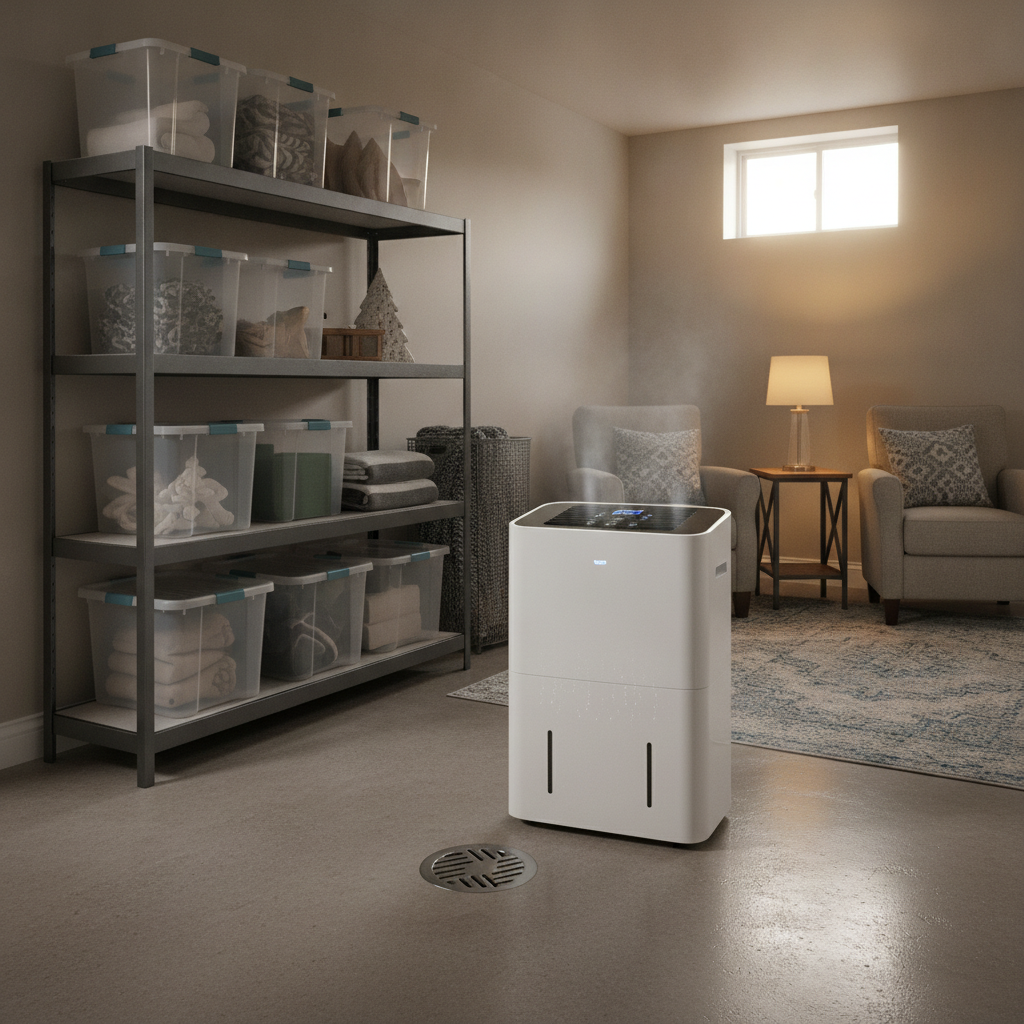
| Dehumidification | Basements, crawl spaces | 30–50% RH | Energy-rated dehumidifier, drain hose | Filter monthly, coil clean semiannual |
| Insulation & vapor control | Attics, rim joists, cold walls | Condensation eliminated | Baffles, batts, spray foam, vapor barrier | Reinspect after roof work |
| Surface protection | High-use walls/trim | Cleanable finish | Mold-resistant paint, caulked seams | Touch-ups annually |
In our experience, pairing attic ventilation corrections with basement dehumidification stabilizes whole-home moisture. That two-front strategy reduces window condensation in winter and stuffy odors in summer.
Local considerations for Scarborough
- Spring melt and summer humidity often spike indoor RH. Plan to run dehumidifiers continuously from late spring through early fall, and use bathroom fans after every shower.
- Freeze–thaw cycles can drive ice dams. Keep attic insulation even and soffit/ridge vents clear before first snowfall to avoid wet sheathing.
- Older homes may have bath fans venting into attics. Re-route these to the exterior to stop hidden moisture in roof cavities.
Step-by-Step: Room-by-Room Prevention
Stop moisture where it starts. Bathrooms need strong exhaust and squeegee habits; kitchens need lids and range hoods; basements need dehumidifiers and sealed penetrations; attics need clear soffits and even insulation. Check these spaces monthly and ramp up efforts during spring melt and summer humidity.
Bathrooms and laundry
- Run a 100+ CFM exhaust fan during and 20 minutes after showers.
- Squeegee tile and glass to remove standing water within minutes.
- Seal grout and caulk twice a year to block water intrusion.
- Keep RH 30–50%; add a humidity-sensing switch if family use varies.
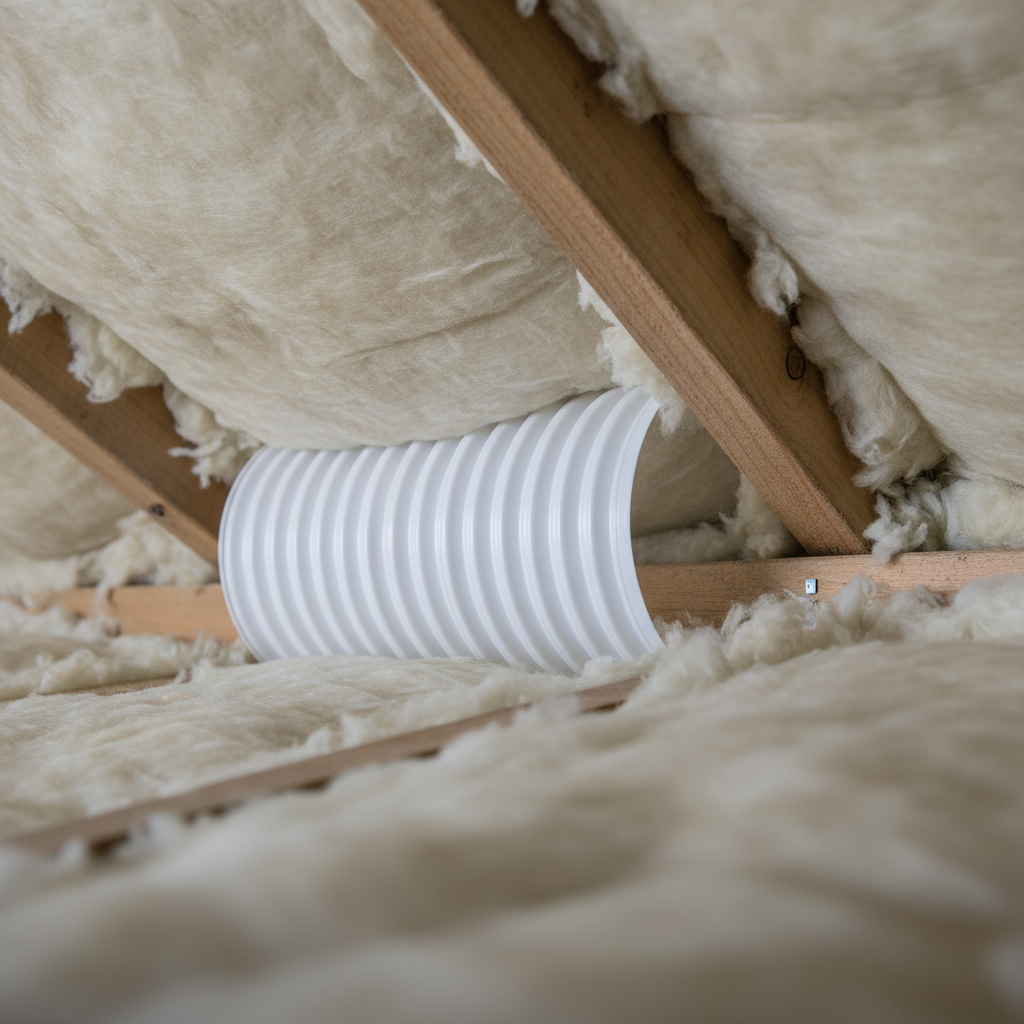
- Dry laundry immediately and vent dryers outdoors with smooth ducting.
Kitchens
- Use a ducted range hood that exhausts outside; avoid recirculating-only hoods.
- Cover pots, fix sink trap drips, and wipe condensation on windows.
- Check dishwasher seals and toe-kick areas for hidden leaks quarterly.
Basements and crawl spaces
- Run a dehumidifier to 30–50% RH; use a hose to a floor drain or condensate pump.
- Seal foundation cracks and sump lids; extend downspouts 6–10 feet away.
- Install a vapor barrier over bare soil in crawl spaces and tape seams tight.
- Insulate rim joists and cold water pipes to stop condensation.
When basements smell musty despite dehumidification, we investigate for hidden moisture behind finished walls. Our team can open a discreet inspection port, test, and restore finishes as needed.
Attics
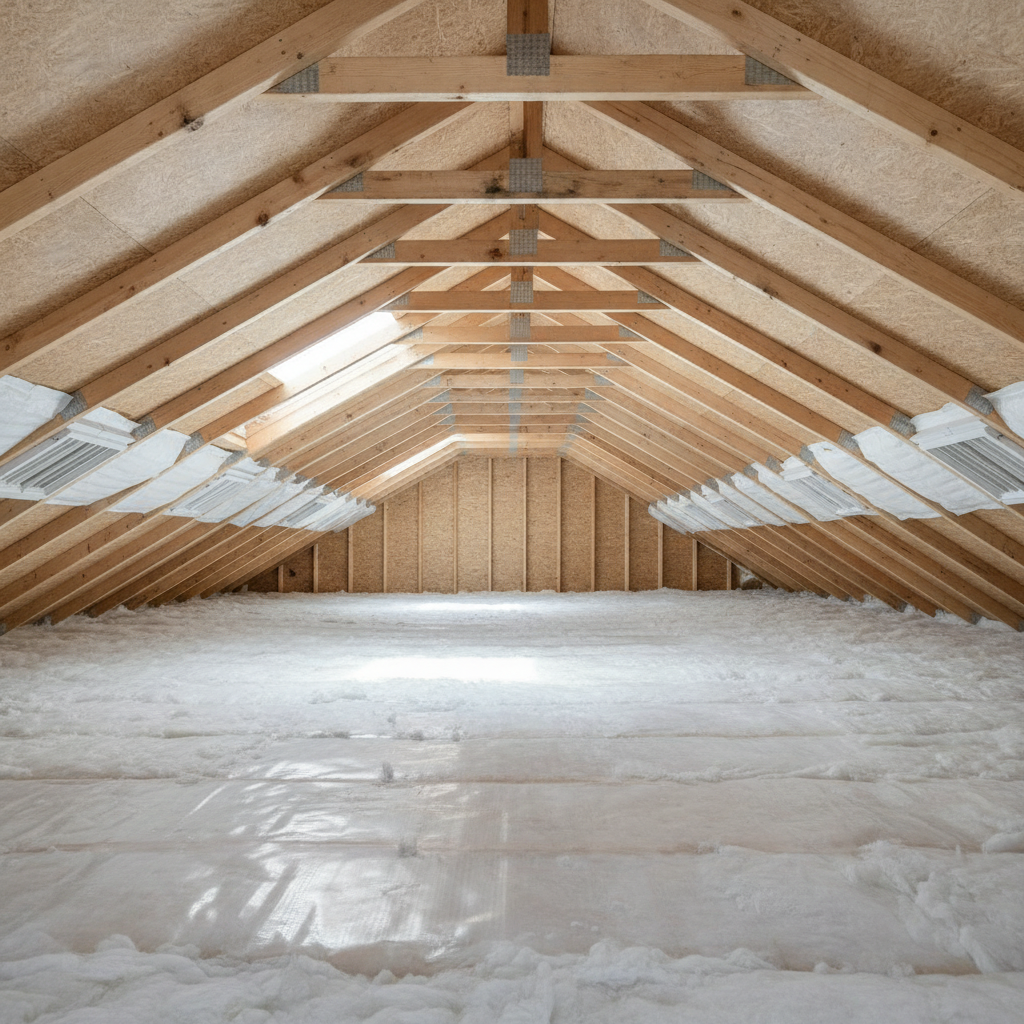
- Balance soffit and ridge vents; add baffles so insulation doesn’t block airflow.
- Even insulation coverage prevents warm spots that drive condensation under the roof deck.
- Terminate bath/kitchen vents outdoors, never into the attic.
- After storms, spot-check sheathing for frost or damp patches.
Bedrooms and living areas
- Keep furniture 2–3 inches off exterior walls to allow air circulation.
- Use smart thermostats to avoid big swings that cause condensation.
- Clean dust quarterly; spores feed on dust films.
Tools, Metrics, and Resources
Track prevention with simple tools: a hygrometer for 30–50% RH, a leak alarm under sinks, and a timer on exhaust fans. For deeper diagnostics, use thermal imaging and pinless moisture meters. Create seasonal checklists so roof, gutter, and grading issues don’t sneak up on you.
We recommend keeping a small kit at home and calling certified help when readings or odors persist. During free inspections, we bring professional-grade hygrometers, thermal cameras, and HEPA negative air units when remediation is required.
Starter kit for homeowners
- Digital hygrometer: Place one per floor; verify 30–50% RH.
- Leak alarms: Dishwashers, water heaters, and laundry hoses are prime spots.
- Exhaust fan timers: Set baths to 15–20 minutes post-shower.
- Foam/caulk: Seal pipe and wire penetrations to limit moist air movement.
Pro diagnostics we use
- Thermal imaging: Finds cold spots and wet insulation without opening walls.
- Moisture meters: Confirms if drywall or wood is still wet behind the paint.
- Air movement assessment: Checks if exhaust fans reach the outdoors and flow freely.
If repeated mold appears or if growth covers a large area, schedule certified remediation. Start at our home page for an overview of services, learn more about our process, or contact our team to book a same-day inspection across Ontario.
Case Studies and Examples from Ontario Homes
Real results come from moisture-first thinking. In recent Ontario projects, attic mold cleared after fixing blocked soffits and adding baffles; basements stayed fresh once RH held at 45%; and a crawl space stabilized with a sealed vapor barrier. Prevention works when airflow, insulation, and drying windows align.
Scarborough attic: baffles and balance
An older Scarborough home showed roof sheathing discoloration each winter. Bath fans exhausted into the attic and insulation blocked soffits. We re-routed ducts outdoors, installed baffles, topped up insulation evenly, and verified ridge–soffit balance. Follow-up checks showed dry sheathing and no winter frost.
Basement mustiness: RH discipline
A semi-detached home reported cyclical odors. Dehumidification held at 45% RH, downspouts extended 8 feet, and a small foundation crack was sealed. Within weeks, odors subsided and window condensation disappeared.
Crawl space reset: vapor control
A lakeside property had seasonal crawl space humidity. We installed a 10-mil vapor barrier with sealed seams and insulated the rim joist. The main floor felt less damp, and the musty smell in closets faded.
Frequently Asked Questions
Homeowners ask about humidity targets, when to call pros, and how fast to dry. Aim for 30–50% RH, dry leaks within 24–48 hours, and call certified help when growth is widespread, hidden, or recurring. Vent steam outdoors, insulate cold spots, and use dehumidifiers seasonally.
What humidity level prevents mold?
Keep indoor relative humidity between 30–50%. In summer, run dehumidifiers in basements and crawl spaces; in winter, manage condensation by insulating cold surfaces and using exhaust fans after showers and cooking.
How quickly should I dry a leak or spill?
Dry materials within 24–48 hours. Use fans and dehumidifiers, remove soaked items like rugs, and open wall cavities if moisture is trapped. Faster drying reduces the chance of colonization and lingering odors.
When should I call a professional?
Call certified help if growth covers a large area, returns after cleaning, involves HVAC systems, or appears in attics, crawl spaces, or behind finishes. We provide free inspections and same-day response across Ontario.
Can I paint over mold to prevent it?
No. Painting over mold traps moisture and can cause peeling. Address the moisture source, remove contamination safely, dry the area, and then apply appropriate finishes. Prevention starts with keeping materials dry.
Key Takeaways and Next Steps
Focus on moisture first: fix leaks, vent steam outdoors, maintain 30–50% RH, and insulate cold surfaces. Check high-risk rooms monthly, ramp up efforts seasonally, and call certified help if growth is extensive or hidden. Consistent, small actions prevent big, disruptive problems.
- Target 30–50% RH and dry wet materials within 24–48 hours.
- Vent bathrooms and kitchens outdoors; balance attic airflow with baffles.
- Use dehumidifiers in basements and crawl spaces during humid months.
- Schedule a free inspection if odors persist or growth returns.
Need a hand? Explore our services overview, learn how we work, or book a same-day inspection. We serve homes and businesses across Ontario with certified remediation, HEPA filtration, and eco-friendly products—backed by a Mold Remediation Warranty Certificate.
For general context on building practices, see this perspective on basement framing rules. For international cleaning guidance examples, review this mould cleaning overview and their regional cleaning page for comparison of methods across climates.