A mould removal company is a certified contractor that inspects, contains, removes, and prevents mold in homes and commercial buildings. It uses HEPA filtration, negative air pressure, and EPA-approved treatments to stop mold damage and protect health. From our Scarborough base at 1225 Kennedy Rd, ON, we provide Ontario-wide, same-day help and free inspections.
By Amardeep Mamidi • Last updated: 2026-06-04
At a Glance: What You’ll Learn
This guide explains how professional mould removal works, what to expect from a qualified company, and how to choose the right partner in Ontario. You’ll see our step-by-step process, tools we use, prevention tips, local considerations for Scarborough, and real examples that end with a warranty-backed clearance.
- What a mould removal company actually does and when to call one
- Health and property risks from mold growth, plus quick facts
- How professional remediation works—inspection to prevention
- Attic, basement, crawl space, HVAC, and black mold approaches
- How to select the right partner in Scarborough and across Ontario
- Tools we deploy on site: HEPA, negative air, thermal imaging
- Case studies from Ontario homes, schools, and workplaces
What a Mould Removal Company Actually Does
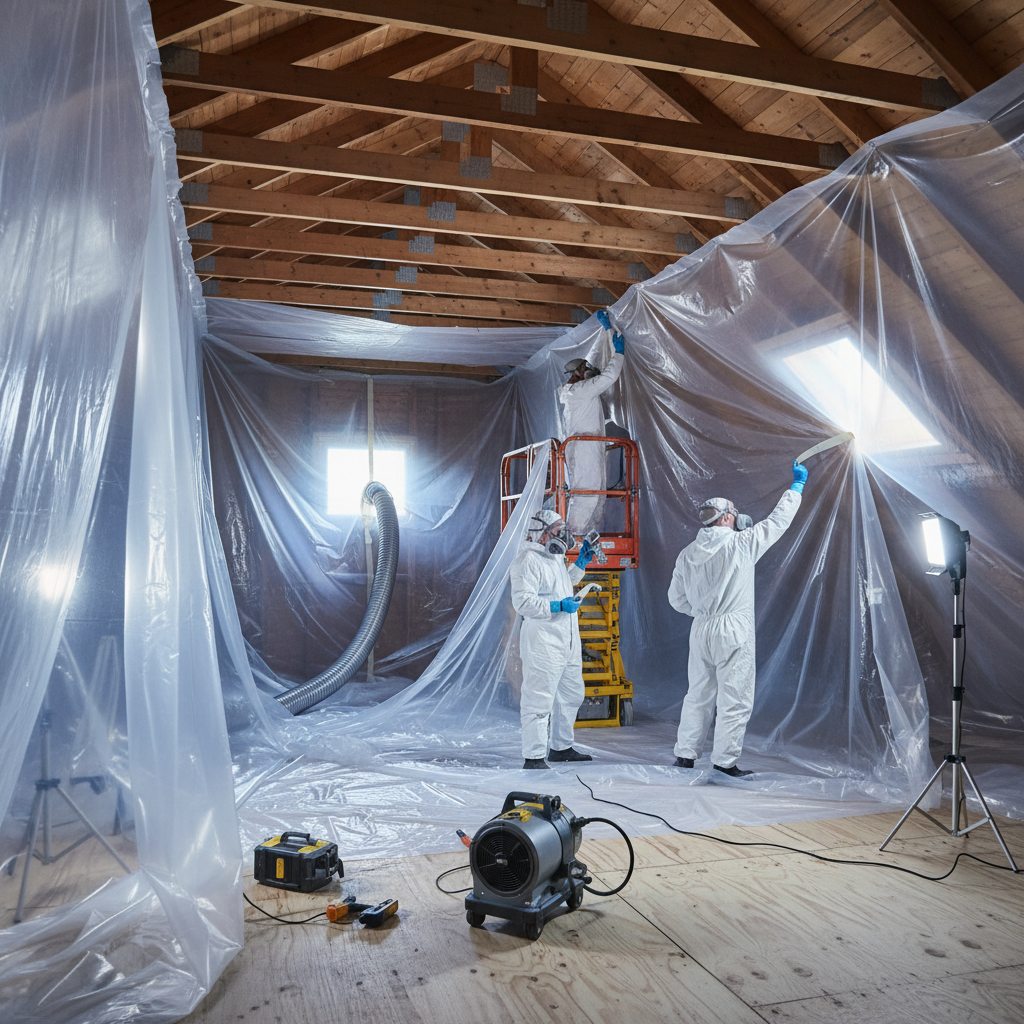
A mould removal company inspects for moisture, contains affected areas, removes contaminated materials, and treats surfaces with EPA-approved agents. Certified teams run HEPA air scrubbers, set negative pressure, and document results so you receive clear post-remediation verification and long-term prevention guidance.
Here’s the reality: mold is a moisture problem first and a cleaning problem second. Successful remediation fixes the water source, removes growth, and prevents its return. That’s why our projects start with a free inspection and moisture assessment before any tools switch on.
- Inspection and testing: Visual survey, thermal imaging, and optional air/oil samples when needed. Air cassettes often draw 75–150 liters to capture spores for lab analysis.
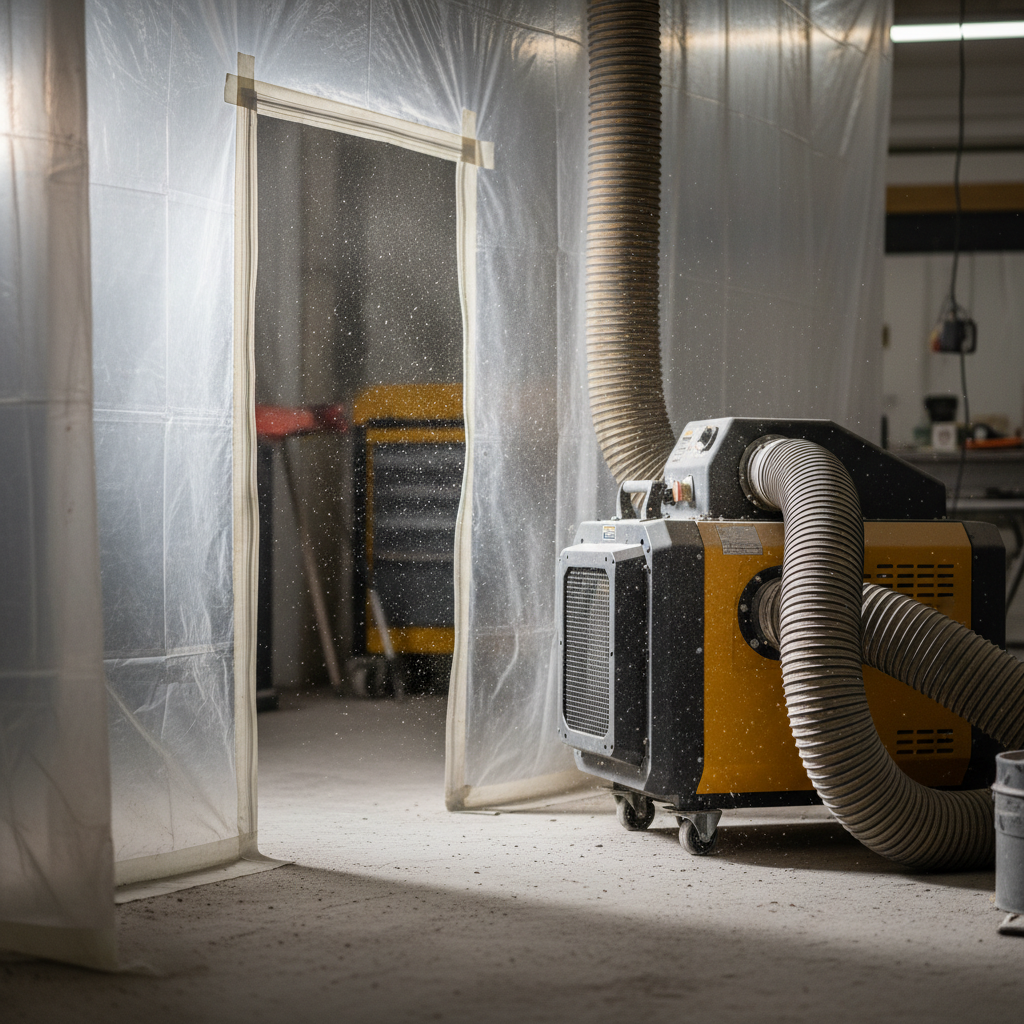
- Containment and pressure: 6-mil poly with zipper doors and negative pressure to achieve 4–6 air exchanges per hour inside containment.
- HEPA filtration: True HEPA units capture 99.97% of particles down to 0.3 microns, limiting cross-contamination.
- Removal and treatment: Physical removal beats “fog-only.” Porous items with visible growth are discarded; semi-porous framing is agitated, cleaned, and treated with antimicrobials.
- Drying and verification: Dehumidification targets 40–50% RH and wood moisture around 12–16% for stable conditions. Final inspection confirms clearance.
For Ontario homeowners, the end point matters: you need documentation. Our team provides a Mold Remediation Warranty Certificate after completion and inspection so buyers, sellers, and agents have confidence that treated areas are clear of active growth.
Why Mold Remediation Matters (Health, Safety, Property)
Professional mold remediation reduces exposure risks, restores indoor air quality, and protects property value. Mold can begin colonizing within 24–48 hours after water damage. Left unchecked, it weakens building materials, spreads through HVAC systems, and complicates real estate transactions.
You might be tempted to wipe and forget. The problem: spores are microscopic and travel easily. In attics, we routinely find colonies running 8–12 feet along sheathing after a single season of poor ventilation. In basements, summertime RH often sits between 65–75%, which is prime for growth.
- Health and comfort: Cleaner air means fewer odors and fewer irritants. HEPA cleaning reduces particulate load measured in cubic feet of air.
- Material integrity: Wet drywall, OSB, and insulation lose strength quickly; subfloors with >16% moisture remain vulnerable to recurring growth.
- HVAC spread: Return ducts can distribute spores room to room. We include HVAC protection or cleaning plans when supply/return paths cross containment.
- Transactions: Home inspections flag visible growth. Our Warranty Certificate streamlines conditions for buyers and lenders.
For background on bathroom moisture patterns, this practical overview of mold causes in bathrooms provides accessible context on ventilation and humidity management common bathroom mold causes.
How Professional Mold Remediation Works (Step-by-Step)
Effective remediation follows a structured sequence: assess moisture, isolate the area, remove contaminated materials, clean with HEPA and agitation, treat with EPA-approved products, dry to target levels, then verify and document. Skipping steps risks regrowth and lingering air quality issues.
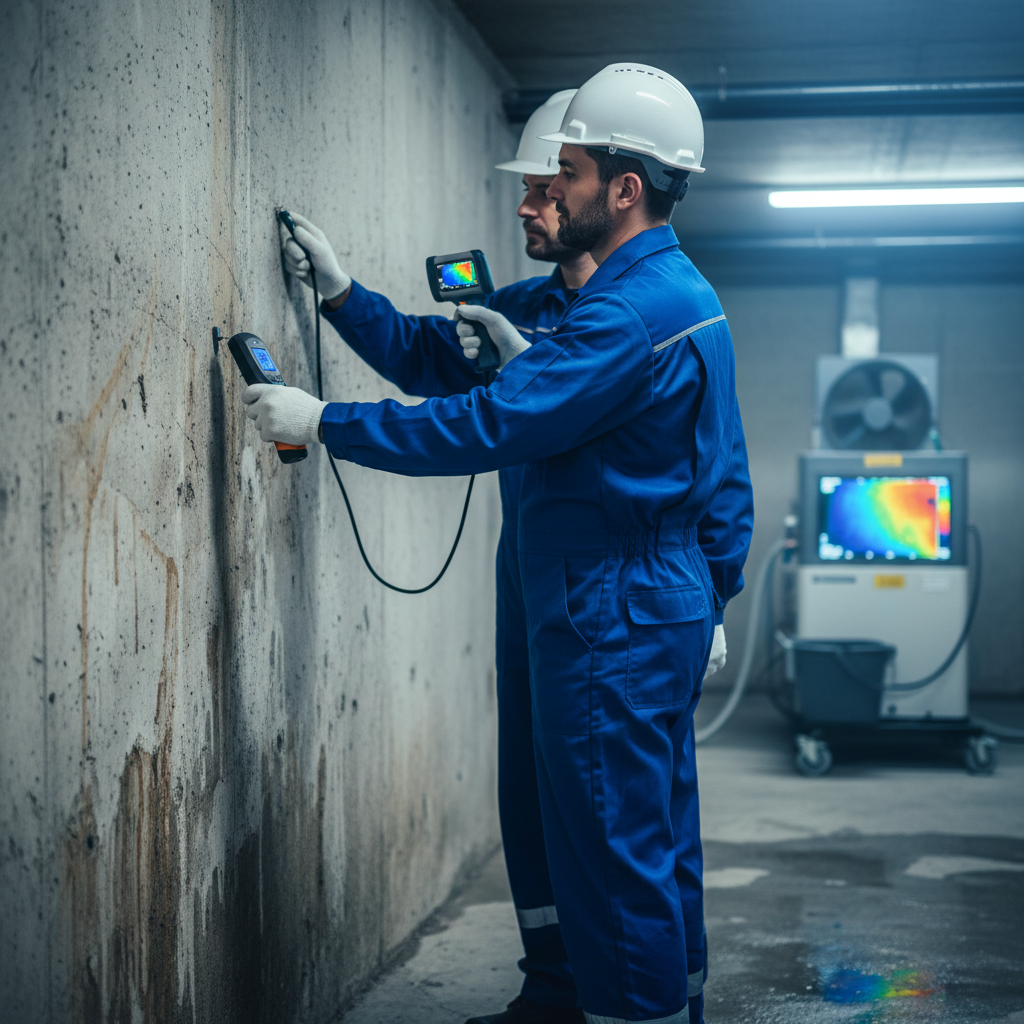
- Free inspection and moisture assessment: We identify leaks, condensation, or ventilation issues. Thermal imaging flags 2–3°F anomalies that trace hidden moisture paths.
- Plan and prep: Clear scope, timelines, and safety measures. Most residential containments run 1–2 days; drying can add 24–72 hours depending on RH.
- Containment and negative pressure: We build 6-mil poly barriers and run negative air to keep 0.02–0.05 inches water column pressure differential.
- Source removal: Remove contaminated drywall/insulation as required. Framing is mechanically agitated (HEPA sand/scrub) until staining is superficial.
- HEPA cleaning: Multi-pass HEPA vacuuming plus damp wiping removes settled spores across surfaces.
- Treat and protect: Apply EPA-approved antimicrobials to inhibit regrowth while the structure dries.
- Drying to target: We dehumidify to hold 40–50% RH. Wood is considered stable near 12–16% moisture content before closing up assemblies.
- Verification and documentation: Final inspection and, when indicated, post-remediation air samples establish clearance. You receive a Mold Remediation Warranty Certificate.
Cleaning alone isn’t enough. The best outcomes come from combining moisture control, physical removal, and preventive treatments—especially in attics and basements where temperature swings and ventilation drive condensation cycles.
Methods and Treatment Approaches We Use
We tailor methods to the space and moisture source. Attics require ventilation fixes, basements need dehumidification, crawl spaces benefit from vapor barriers, and HVAC systems require duct protection or cleaning. Across all spaces, we pair source removal with EPA-approved antimicrobial treatments.
Attic mold remediation
- Ventilation balance: Correct soffit and roof venting to restore intake/exhaust. We often target a net-free area ratio aligned to roof size.
- Insulation strategy: Seal attic bypasses and consider attic insulation removal if insulation is saturated or heavily contaminated.
- Surface restoration: HEPA sand/scrub sheathing and rafters; treat wood framing to inhibit regrowth.
Basement and crawl space cleanup
- Moisture control: Dehumidify to 40–50% RH; address footing drains and vapor barriers to reduce ground moisture.
- Material decisions: Wet drywall >1/2 height cut is commonly removed; rigid foam and closed-cell options reduce future condensation.
- Air management: Negative air prevents spread upstairs; supply/return registers inside containment are sealed or filtered.
HVAC and black mold scenarios
- System protection: Isolate returns or install temporary filters to stop cross-contamination.
- Targeted cleaning: Where contamination is present, we coordinate HVAC cleaning with remediation so ducts aren’t recontaminated.
- “Black mold” clarity: Color alone doesn’t dictate risk; we treat visible growth with the same disciplined process and controls.
General household cleaning services differ from certified remediation. If you’re comparing options, this overview of cleaning offerings shows how routine cleaning is positioned, in contrast to containment-based mold work general mold cleaning overview.
How to Choose a Mould Removal Company in Scarborough, ON
Choose a mould removal company that offers same-day response in Ontario, certified technicians, documented containment/HEPA protocols, and a written warranty. In Scarborough, prioritize teams familiar with attic ventilation fixes and basement humidity cycles to prevent recurrence.
In our experience, the best partner clarifies scope up front and stands behind results. Here’s a practical checklist for selecting a provider that fits your home, timeline, and risk tolerance.
- Certification and insurance: Ask for proof of current coverage and technician training.
- Process transparency: Look for written plans covering containment, negative air, and HEPA cleaning.
- Moisture-first approach: Remediation without moisture control almost always leads to callbacks.
- Documentation: Ensure you’ll receive photos and a completion certificate suitable for real estate files.
- Local expertise: Scarborough homes often show attic frost lines and summer basement RH spikes; plan accordingly.
- Availability: Same-day response reduces spread; many colonies establish within 24–48 hours.
Local considerations for Scarborough
- Winter attic frost and spring thaws can raise attic sheathing moisture; ventilation tuning and air sealing matter in this neighborhood context.
- Summer humidity is persistent; keep basements near 50% RH with continuous dehumidification during July–August.
- Older homes often have bathroom fans exhausting into attics; redirect to exterior to prevent seasonal attic mold.
When you’re ready to move forward, review who we are on our company background page and book a free inspection visit. If you want a quick overview of services first, the attic mold removal specialist page outlines our same-day Ontario response.
| Aspect | DIY Cleaning | Certified Remediation |
|---|---|---|
| Moisture diagnosis | Basic fans/dehumidifiers; limited tools | Thermal imaging, moisture meters, leak tracing |
| Containment | Rarely used | 6-mil poly, zipper doors, negative pressure (4–6 ACH) |
| Air filtration | Household filters | HEPA 99.97% @ 0.3 microns |
| Material handling | Surface wipe-downs | Remove unsalvageable porous materials; restore framing |
| Documentation | None | Photos, readings, Warranty Certificate |
| Recurrence risk | Higher (moisture unresolved) | Lower (moisture + prevention addressed) |
Need help today? We offer Ontario-wide, same-day assessments. Start with a free inspection and moisture check—no obligation. Call 647-451-0493 or book your visit online.
Tools and Resources Used on Site
Certified crews use measurement tools to find moisture, engineering controls to stop spread, and cleaning systems to capture particulates. Expect moisture meters, thermal imaging, HEPA air scrubbers, negative air machines, and calibrated dehumidifiers—plus photo documentation of readings and results.
- Moisture meters: Pin and pinless models read drywall, subfloor, and framing. We track progress to 12–16% wood moisture before close-up.
- Thermal imaging: Highlights cold spots where wet insulation and framing sit; a 2–3°F variance often pinpoints hidden moisture.
- HEPA air scrubbers: Continuous filtration during work; we log run hours for documentation.
- Negative air machines: Maintain pressure differentials so spores don’t migrate to clean rooms.
- Dehumidification: Desiccant or refrigerant units manage RH to 40–50% for stable drying curves.
Insurance can be a factor during water events. For general context about water damage responsibilities in multi-unit settings, see this overview on water damage in condos. Always confirm your own policy details before work begins.
Case Studies and Real Examples from Ontario
Real projects show why process matters. In Ontario attics, basements, crawl spaces, and offices, mold control hinges on moisture correction plus disciplined containment and cleaning. These brief case notes summarize problems, actions, and measurable outcomes with documentation.
1) Attic frost to spring mold (Scarborough home)
- Issue: Dark staining 10–15 feet along north-facing sheathing after winter.
- Action: Air-sealed bypasses, rebalanced vents, HEPA sand/scrub, antimicrobial treatment.
- Result: Wood moisture stabilized near 12–14%; odor eliminated; Warranty Certificate issued.
2) Basement leak after summer storm (GTA townhouse)
- Issue: Wallboard wicked water ~12 inches; RH 72% in living area.
- Action: Containment, cut and remove lower drywall, HEPA cleaning, dehumidification to 48% RH.
- Result: No visible growth at verification; moisture readings under 16% in studs.
3) Crawl space vapor issue (rural Ontario)
- Issue: Musty odor, visible growth on joists and subfloor.
- Action: Install vapor barrier, clean and treat framing, adjust vents, add continuous dehumidification.
- Result: Odor resolved; seasonal RH maintained near 50%; clearance documented.
4) Office return plenum contamination (commercial)
- Issue: Spores detected near returns; dust load on tiles and ducts.
- Action: Overnight containment, HEPA filtration, duct protection, targeted cleaning.
- Result: Post-work particulates reduced; normal operations resumed next morning.
These results are repeatable because the sequence is consistent: find moisture, isolate work, remove contamination, filter air, treat surfaces, and verify. When any step is skipped, recurrence rates jump.
Frequently Asked Questions
Homeowners and property managers ask about safety, timelines, testing, and what to do first. These concise answers cover the basics of working with a certified mould removal company and what to expect during a typical Ontario remediation project.
How fast does mold grow after a leak?
Mold can begin colonizing within 24–48 hours when building materials stay damp. Reduce humidity below 50%, start air movement, and call for an assessment if walls or insulation were wet. Quick action limits spread and makes remediation more straightforward.
Do I need testing before remediation?
Not always. If visible growth and moisture sources are clear, many projects proceed without pre-testing. Testing is useful for hidden problems, health concerns, or for post-remediation verification. We explain options during the free inspection and moisture assessment.
Will remediation disrupt my home or business?
Containment and negative air help work proceed with minimal disruption. Many residential projects finish in 1–3 days, with drying continuing 24–72 hours. For offices and retail, after-hours schedules reduce downtime while maintaining safety controls.
What documentation do I receive when work is done?
You’ll receive photos, moisture and RH readings, and a Mold Remediation Warranty Certificate after completion and inspection. This documentation supports real estate transactions and provides assurance that treated areas are free of active growth.
Key Takeaways and Next Steps
Stop mold damage by acting fast, fixing moisture, and choosing a certified team that documents results. Expect containment, HEPA filtration, negative pressure, and a clear warranty. In Scarborough and across Ontario, same-day assessments prevent small issues from becoming structural problems.
- Speed matters: Call within 24–48 hours of a water event to limit spread.
- Moisture first: Hold interiors near 40–50% RH and dry wood to 12–16%.
- Process over products: Containment, HEPA, and removal beat “spray-only.”
- Demand documentation: Photos, readings, and a Warranty Certificate protect you.
Ready for a professional, warranty-backed result from a mould removal company? Start with a free inspection today, or review our credentials and approach. We’re based in Scarborough and serve homes and businesses across Ontario the same day.