Mold treatment cost is the total investment to identify moisture, remove active growth, and prevent regrowth in a building. From our Scarborough, ON base at 1225 Kennedy Rd, ASM Mold Removal Inc. provides same-day assessments across Ontario so you can contain scope early and avoid larger, more disruptive remediation later.
By Asmmoldremoval • Last updated: 2026-06-05
Summary
Mold treatment cost depends on the moisture source, contamination size, access challenges, materials affected, and the methods needed to remove and prevent regrowth. You can lower your total by acting fast, improving ventilation, addressing moisture first, and using certified remediation with proper containment and HEPA filtration.
In this complete guide, we explain how professionals scope projects, which factors raise or reduce the total investment, and seven proven ways to keep your number down—without cutting safety corners. You’ll also see Ontario-focused examples and a simple comparison of DIY versus professional remediation.
- What “mold treatment” really includes (assessment, removal, prevention)
- How pros estimate scope and timeline—no prices, just decision drivers
- Seven proven, practical actions that reduce total effort
- Local considerations for Scarborough and Ontario’s climate
What Is “Mold Treatment Cost”?
Mold treatment cost refers to the combined work to diagnose moisture, remove contaminated materials, clean surfaces and air, and prevent recurrence. It typically includes inspection, containment, HEPA filtration, source removal/cleaning, clearance, and prevention recommendations matched to your building’s risks.
At ASM Mold Removal Inc., treatment is a defined process—not a quick spray. It begins with a free moisture assessment and, when indicated, inspection and testing to map the problem. Certified, insured technicians then follow current remediation standards, document each step, and provide a Mold Remediation Warranty Certificate after completion and inspection.
- Assessment: Visual survey, moisture mapping, and when indicated, air/surface sampling to confirm conditions.
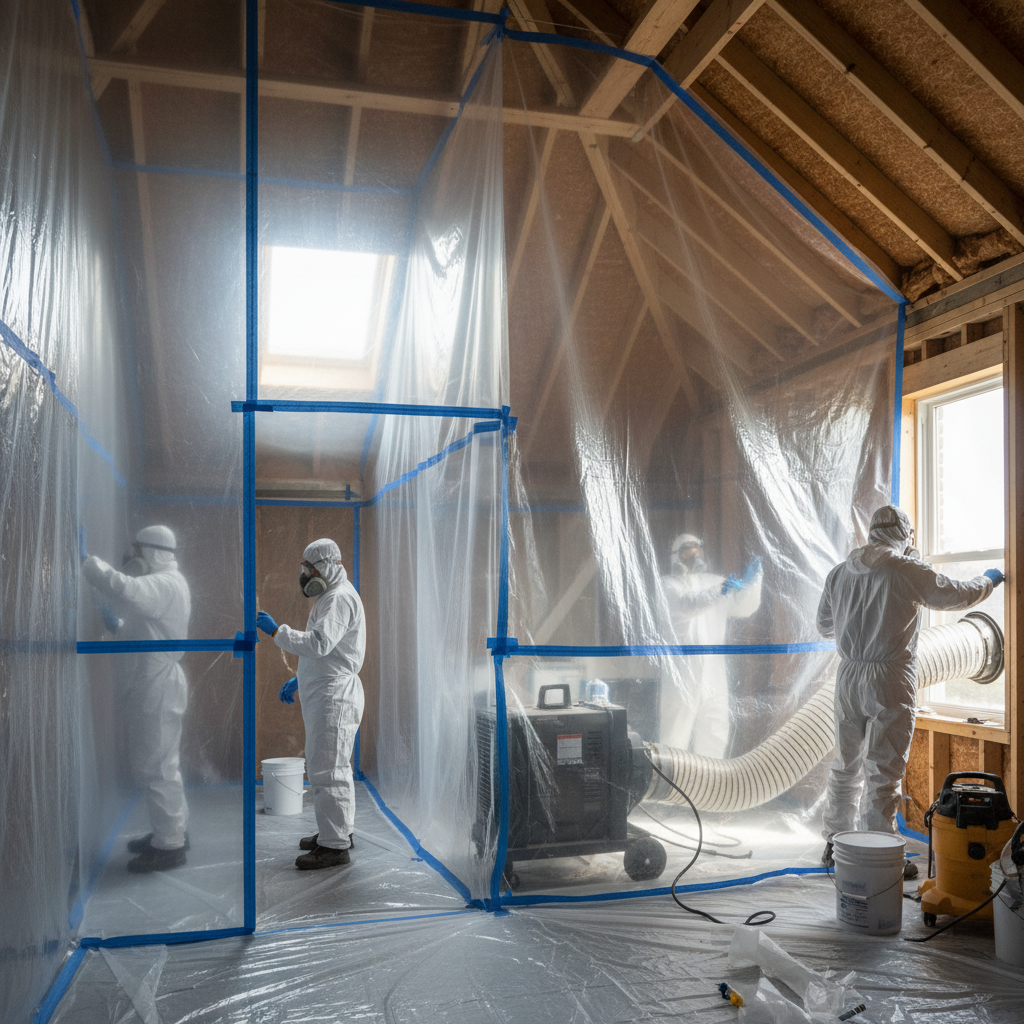
- Containment: Poly barriers, zipper doors, and negative air to protect clean areas and maintain control.
- Removal and cleaning: Source removal, HEPA vacuuming, and eco‑friendly, EPA‑approved agents where appropriate.
- Air cleaning: HEPA filtration to reduce airborne spores during and after disturbance.
- Prevention: Ventilation, insulation, drainage, and humidity controls to stop recurrence.
We serve residential and commercial clients across Ontario—from attics and basements to crawl spaces and HVAC systems—with end‑to‑end solutions and full repair/restoration when needed. Our remediation approach emphasizes safety, documentation, and long‑term prevention.
Why Mold Treatment Cost Matters (Beyond Dollars)
Understanding mold treatment cost helps you control health risks, protect property value, and limit disruption. The faster you stop moisture and remove growth, the smaller the scope stays, which shortens downtime and supports clean documentation for real estate or insurance needs.
Mold growth can begin within 24–48 hours after water intrusion, so delays increase scope and complexity. Indoor relative humidity above 60% supports ongoing growth; keeping living areas in the 30–50% range improves outcomes and comfort. This is why we prioritize same‑day response across Ontario with clear plans and prevention guidance.
- Health and comfort: Damp environments correlate with increased respiratory irritation; remediation reduces airborne particles.
- Property value: Documented remediation and post‑inspection reporting reassure buyers, sellers, and lenders.
- Business continuity: Phased, discreet containment can keep portions of a facility operational.
Bathrooms and basements often combine moisture and limited airflow. For background on common bathroom moisture drivers, see this overview of common bathroom mold causes. Addressing ventilation and humidity proactively narrows remediation scope later.
How Professional Mold Treatment Works (Step by Step)
Effective remediation follows a consistent workflow: inspect and diagnose moisture, isolate the work zone, remove and clean affected materials, filter the air with HEPA, and verify cleanliness. Each step reduces risk, controls spread, and sets up long‑term prevention.
- Free moisture assessment: We identify visible growth, measure moisture, and determine if testing is needed to document conditions.
- Containment and negative air: Barriers and negative pressure isolate the work area so clean spaces remain clean.
- Source removal and cleaning: Porous materials beyond salvage are removed; remaining surfaces are HEPA‑vacuumed and treated with non‑toxic, EPA‑approved agents as appropriate.
- HEPA filtration and air scrubbing: Airborne particulates are continuously captured during disturbance and cleaning.
- Moisture correction and prevention: We address leaks, improve ventilation/insulation, or recommend dehumidification to keep RH below 60%.
- Verification and documentation: Photos, readings, and, when used, testing results support clearance. We issue a Mold Remediation Warranty Certificate upon completion and inspection.
HEPA filters are engineered to capture 99.97% of particles 0.3 microns in diameter, which is why HEPA vacuums and air scrubbers are central to professional remediation. Measured moisture content in building materials and controlled RH are the levers that keep issues from returning; learn more about measurement basics in this primer on moisture content analysis.

How Mold Treatment Is Estimated (Without Numbers)
Estimators define the moisture cause, map the affected area, rate material porosity, and select safe methods. The right‑sized scope balances health protection, standard alignment, and prevention so you pay for what’s needed—no more, no less.
In practice, estimators focus on five pillars that drive total effort and timeline. These drivers help predict how involved the project must be and where prevention can shrink future risk.
- Moisture source and urgency: Active leaks, roof failures, or post‑flood conditions expand scope quickly as water wicks and evaporates.
- Area and access: Attics, crawl spaces, and behind‑wall cavities require specialized setup and careful sequencing.
- Material types: Porous drywall and insulation differ from semi‑porous framing or non‑porous metals and plastic.
- Methods and equipment: Containment type, negative air volume, and HEPA filtration are sized to the space and contamination.
- Verification and prevention: Testing (when used), documentation, and upgrades reduce recurrence risk and future disruption.
We back every plan with photos, moisture readings, and a clear method statement. If you’re comparing approaches, ask providers to outline containment strategy, airflow control, and how they’ll confirm dryness before closing the job.
Pricing Factors That Drive Mold Treatment Cost
While we don’t publish prices, the same factors reliably shape total outlay: moisture complexity, affected square footage, access difficulty, material porosity, and the level of documentation you require. Understanding these helps you reduce scope without sacrificing safety.
- Complexity of moisture: Ongoing leaks or seasonal condensation take longer to diagnose and fix than one‑time events.
- Extent of contamination: More surfaces affected typically means larger containment and longer filtration time.
- Access and setup: Tight crawl spaces or high attics increase setup, safety, and labor considerations.
- Materials: Porous finishes may require removal; structural wood often allows targeted cleaning and treatment.
- Documentation: Real estate transactions or compliance needs may add inspection/testing and reporting steps.
- Prevention upgrades: Ventilation improvements, insulation adjustments, vapor barriers, or dehumidification reduce recurrence.
Here’s the thing: investing in prevention is almost always more cost‑effective than repeating remediation later. Good airflow, controlled humidity, and drainage/roof repairs shrink risk significantly.
Types and Methods That Influence Your Total
Different contamination patterns demand different methods. Attic sheathing growth, basement drywall damage, and HVAC contamination each require tailored containment, removal, and air cleaning. Matching method to material and environment prevents spread and future callbacks.
We frequently remediate these scenarios across Ontario:
- Attic mold: Often tied to poor ventilation or roof leaks; work may include insulation handling, wood treatment, and baffle/vent improvements.
- Basement drywall: Prior water ingress leads to wet, porous finishes that need targeted removal and directed drying.
- Crawl spaces: Confined areas benefit from controlled containment, dehumidification, and vapor barriers.
- HVAC systems: Growth inside return plenums or coils needs specialized cleaning to avoid re‑seeding spaces.
- Commercial sites: Phased, discreet containment keeps parts of a facility operational while work proceeds.
For a general, non‑Ontario example of cleaning approaches, here’s an overview of professional mold cleaning practices. While procedures vary by jurisdiction, the fundamentals—containment, HEPA, and source control—are consistent worldwide.
7 Proven Ways to Lower Your Total
You can reduce overall mold treatment cost by shrinking scope early, improving airflow, and fixing moisture at the source. Focus on quick action, evidence‑based decisions, and durable prevention so the problem is solved once—not managed repeatedly.
- Act within 24–48 hours of water events: Early extraction and drying limit spread and secondary damage.
- Schedule a same‑day professional assessment: Prompt containment prevents cross‑contamination into clean rooms.
- Fix the moisture source first: Roof, plumbing, grading, or ventilation issues drive recurrence.
- Improve ventilation and insulation: Especially in attics and crawl spaces where stagnant air traps moisture.
- Targeted removal of damaged materials: Don’t over‑demo; don’t under‑remove. Match action to porosity and damage.
- Use certified remediation with HEPA filtration: Right‑sized air changes and filtration reduce airborne spores and dust.
- Verify with documentation: Photos, readings, and a warranty certificate avoid doubt and rework.
We’ve found that homeowners who move quickly after a leak and keep indoor RH below 60% see fewer surprises and smoother clearances. If you’re ready to move fast, our same‑day team can help contain, remediate, and prevent.
Free inspection + moisture assessment: If you’re in Ontario, book a no‑obligation visit. We’ll pinpoint moisture, outline containment, and provide a clear remediation plan—backed by our Mold Remediation Warranty Certificate.
Tools and Resources Used in Professional Remediation
Pros rely on moisture meters, thermal imaging, HEPA vacuums, negative air machines, and non‑toxic, EPA‑approved agents. With proper PPE and containment, these tools remove contamination safely, protect occupants, and speed clearance.
Here’s what shows up on site and why it matters to the outcome.
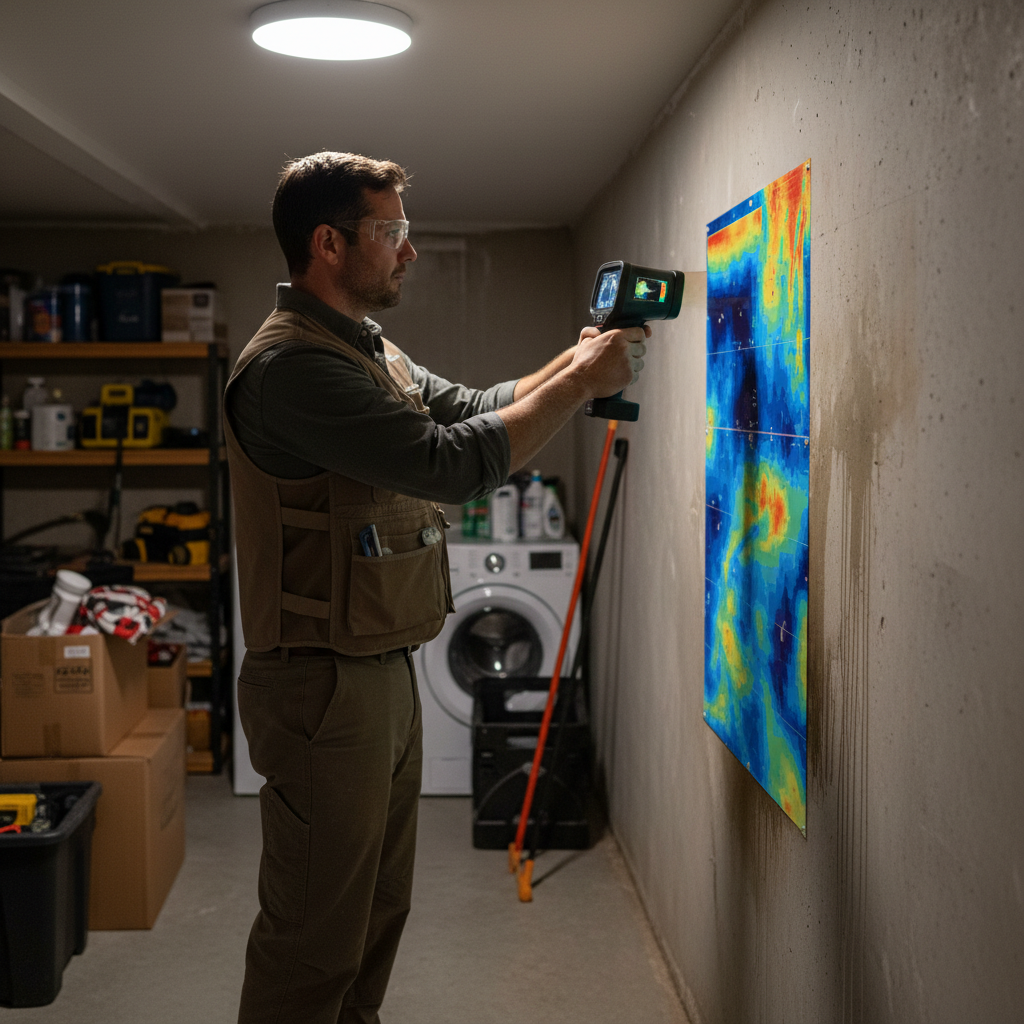
- Moisture diagnostics: Pin and pinless meters plus infrared imaging find hidden dampness behind finishes.
- Containment systems: Poly sheeting, zipper doors, and pressure monitors maintain negative air.
- HEPA filtration and vacuums: Capture fine particulates during disturbance and post‑cleaning.
- Cleaning chemistries: Eco‑friendly, EPA‑approved agents support safe, effective surface treatment.
- PPE: Respirators, gloves, and suits protect workers and reduce spread risks.
Thermal cameras visualize temperature differences that often align with wet spots, helping target removal and drying precisely. This speeds work and reduces unnecessary demolition—another lever for keeping the total reasonable.
Ontario Case Studies: Attic, Basement, and Commercial
Real projects show how early action lowers total. An attic with ventilation upgrades avoided repeat growth, a basement with targeted removals kept demolition limited, and a commercial office used phased containment to minimize downtime while meeting documentation needs.
Residential attic in Scarborough
An inspection found sheathing growth tied to inadequate soffit airflow. We improved ventilation, treated the wood, and provided prevention guidance. Post‑inspection documentation satisfied a pending real estate condition and prevented a second round of remediation.
Basement in the GTA
A minor leak wet drywall along an exterior wall. Targeted removal, directed drying, and surface treatment kept finishes elsewhere intact. Humidity control recommendations maintained RH below 60% through summer and winter swings.
Commercial office in Ontario
Discreet, after‑hours containment isolated the impacted suite. HEPA filtration and phased work maintained operations. Final reporting supported internal EHS records and lease obligations without extended shutdowns.
Local Factors: Scarborough and ON
In Scarborough, ON and across Ontario, freeze‑thaw cycles, humid summers, and roof ventilation issues make attics and basements frequent hotspots. Quick assessments, insulation best practices, and seasonal humidity control keep mold treatment cost contained while protecting indoor air quality.
Neighborhood housing stock often includes vented attics and finished basements. That means two priorities: keep attics dry with free airflow, and keep living areas below 60% relative humidity year‑round.
Local considerations for Scarborough
- Book inspections during shoulder seasons to prepare for humidity swings and ice‑dam risks.
- Aim for indoor RH below 60% in summer; use dehumidifiers in basements and crawl spaces.
- For real estate timelines, request documentation early so conditions aren’t delayed.
DIY vs. Professional Remediation: What’s Really Cheaper?
DIY may look cheaper up front, but missed moisture, poor containment, and incomplete cleaning often expand scope. Professional remediation right‑sizes methods, protects clean areas, and documents results—reducing callbacks and protecting value.
| Factor | DIY Approach | Professional Approach |
|---|---|---|
| Moisture diagnosis | Limited tools and experience | Moisture meters + thermal imaging |
| Containment | Minimal or none | Full barriers + negative air |
| Air quality control | Uncontrolled during disturbance | HEPA filtration, pressure monitoring |
| Material handling | Over/under removal common | Targeted by porosity and damage |
| Documentation | None | Inspection, photos, warranty certificate |
| Risk of recurrence | Higher | Lower with moisture fix + prevention |
If you want a second opinion on cleaning basics, compare any guidance you find with industry fundamentals: define moisture, isolate the zone, remove contamination, and verify dryness. General summaries of mold cleaning steps can help you ask sharper questions—just be sure recommendations fit Ontario homes.
Frequently Asked Questions
Homeowners ask how long remediation takes, whether they need testing, and how to manage life during work. Timelines depend on scope, testing is situational, and containment with HEPA keeps living spaces usable and safe during most projects.
How fast should I act after a leak or flood?
Start drying and schedule an inspection within 24–48 hours. Early action limits spread, shrinks the work area, and helps keep the overall project efficient and less disruptive.
Do I need air testing before remediation?
Testing is case‑by‑case. If contamination is visible and the moisture source is known, we may proceed under containment without delay; testing can confirm clearance or support documentation needs.
Can I stay in my home during remediation?
Often yes. Proper containment, negative air, and HEPA filtration isolate the work zone so clean spaces remain safe to occupy. We’ll outline any exceptions during your assessment.
What documents will I receive when the job is done?
You’ll receive photos, moisture readings, and a clear completion summary. When used, testing results are included. We also issue a Mold Remediation Warranty Certificate after completion and inspection.
Key Takeaways
Shrink mold treatment cost by acting fast, fixing moisture first, and using certified remediation with proper containment and HEPA filtration. Document results and invest in prevention to avoid repeat work and protect property value.
- Speed matters: address water within 24–48 hours and keep RH below 60%.
- Right‑size scope: match methods to materials and affected areas.
- Protect clean areas: use containment and negative pressure.
- Document and prevent: reporting + ventilation/insulation upgrades reduce repeats.
- Lean on experts: same‑day assessments contain scope and disruption.
Conclusion and Next Steps
Control mold treatment cost by acting quickly, fixing moisture at the source, and choosing certified remediation with the right tools. Ask for clear documentation and prevention guidance so the issue is resolved once and for all.
If you’re in Ontario, ASM Mold Removal Inc. can assess, contain, and guide you through a safe, efficient plan—backed by a Mold Remediation Warranty Certificate. Explore our services or book a free inspection today.