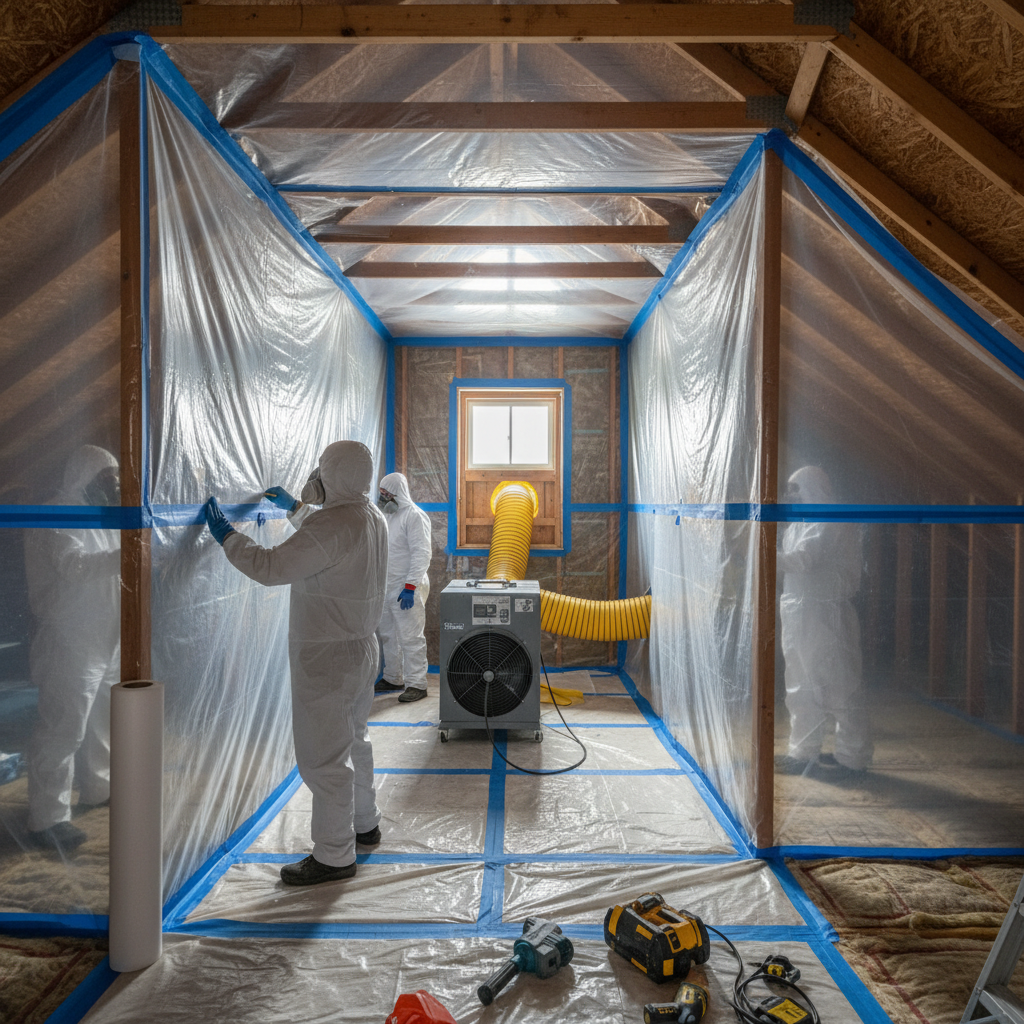
Mold testing and removal cost is driven by scope, contamination level, access, safety controls, and documentation—more than by square footage alone. In Scarborough at 1225 Kennedy Rd, our ASM Mold Removal Inc. team evaluates moisture sources first, then scopes inspection, testing, remediation, and warranty steps so you understand the work, not just a number.
By Asmmoldremoval • Last updated: 2026-05-29
Summary
Mold projects hinge on five pillars: source moisture control, thorough inspection and testing, safe containment with HEPA filtration, targeted removal/treatment, and verified clearance with documentation. When these move in sync, projects finish faster, protect health, and support warranties—regardless of home size or location.
Here’s what you’ll learn in this guide, built from our Ontario fieldwork and attic mold specialization:
- How professionals scope inspections, sampling, and remediation steps
- Which variables most influence mold testing and removal cost (without prices)
- Attic, basement, crawl space, and HVAC-specific considerations
- How our Mold Remediation Warranty Certificate is earned
- Practical checklists to speed decision-making and minimize disruption
For rapid answers or a free inspection and moisture assessment, start at our home page or reach out on the contact page.
Local considerations for Scarborough
- Winter-to-spring freeze/thaw in Scarborough can drive attic condensation; plan attic mold inspections right after temperature swings for clear readings.
- Summer humidity across ON often elevates crawl space and basement moisture; deploy dehumidification and ventilation checks during peak humidity weeks.
- For real estate timelines, coordinate testing and remediation early; Ontario deals move fast, so warranty-backed documentation avoids closing delays.
What is “mold testing and removal cost” really measuring?
It measures the effort and safeguards required to identify moisture sources, confirm contamination, remove impacted materials safely, and verify clean results. Investment follows complexity: moisture severity, access limits, safety controls, and the documentation your situation demands.
In our experience, homeowners ask for a price before a plan. We flip that order. We first determine why mold formed—leaks, poor ventilation, or humidity—then match inspection and remediation to the root cause. That clarity keeps projects efficient and sets up durable prevention.
- Inspection and testing scope: Visual survey, moisture mapping, thermal imaging, and targeted sampling when it informs decisions.
- Remediation scope: Containment, negative air, HEPA air filtration, selective removal, antimicrobial treatment, and detailed cleaning.
- Documentation: Photos, logs, and our Mold Remediation Warranty Certificate once clearance is achieved.
If you’re coordinating among family, agents, or contractors, a clear scope beats guesswork. Our team prepares concise plans that align on safety, timeline, and warranty steps before work begins.
Why mold testing and removal cost matters in Ontario
Right-sizing mold work protects health, property value, and timelines. In Ontario, season-driven moisture and real estate deadlines make accurate scoping essential, from Scarborough attics to commercial HVAC. Precise plans reduce disruption and support warranty-backed results.
When remediation is underscoped, issues return. When it’s overscoped, families or teams face needless disruption. The middle path—evidence-based scoping—keeps projects lean and effective.
- Health and comfort: Tackling moisture and spores improves indoor air; occupants typically report fresher air and fewer odors after proper remediation.
- Property value: Clear documentation and a warranty-backed outcome calm buyer concerns and speed closings.
- Business continuity: In offices, retail, and warehouses, discreet, after-hours containment keeps teams productive while work proceeds.
- Attic realities: Ontario’s ventilation and insulation dynamics make attics a frequent mold zone; we prioritize cause correction so results hold through winter.
We tailor plans for homes, commercial spaces, schools, and healthcare settings—always with occupant protection top of mind and with HEPA filtration running throughout.
How professional mold testing and removal works
The process starts with moisture discovery, then targeted testing, engineered containment with negative air, selective removal and antimicrobial treatment, HEPA cleaning, and a clearance check. Each step documents conditions so results are verifiable and repeatable.
Step-by-step process (what to expect)
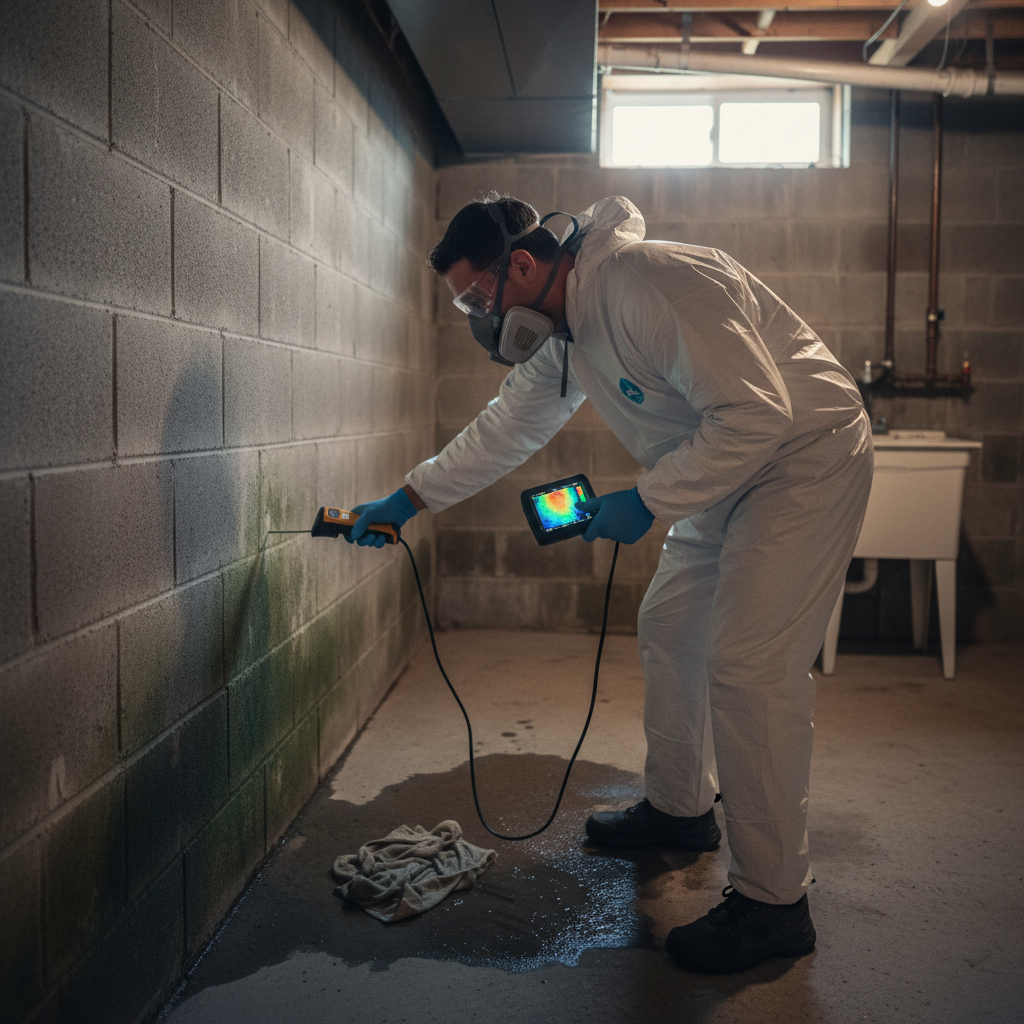
- Free inspection and moisture assessment: Visual survey, moisture readings, and thermal imaging to find sources and wet assemblies.
- Project plan: Define work zones, containment type, negative air setup, and occupant protections.
- Targeted testing (when useful): Air or surface sampling to establish a baseline or to guide treatment decisions (not every project requires lab work).
- Containment and ventilation control: Poly sheeting, zipper doors, pressure differentials, and HEPA air filtration devices.
- Removal and treatment: Carefully remove unsalvageable materials, treat remaining surfaces with EPA-approved products, and detail-clean.
- Source correction: Ventilation fixes, dehumidification, insulation adjustments, and leak repairs where needed.
- Clearance check and documentation: Visual verification and, if specified, post-remediation testing to confirm success, followed by our Warranty Certificate.
| Scope element | What it includes | Impact on your investment |
|---|---|---|
| Moisture discovery | Moisture meters, thermal imaging, leak tracing | Faster root-cause fixes reduce repeat work |
| Sampling | Air and/or surface samples when they inform decisions | Used strategically to avoid unnecessary lab work |
| Containment | Poly walls, negative air, pressure monitoring | Prevents spread, vital in occupied buildings |
| Removal & treatment | Selective demo, HEPA vacuuming, antimicrobial application | Depth depends on contamination and material type |
| Clearance | Visual check, optional post-test, photo documentation | Supports warranty and real estate needs |
Our approach stays simple: investigate, isolate, remediate, and verify. That sequence adapts to attics, basements, crawl spaces, and HVAC systems without overcomplicating your day.
Types and methods: testing and remediation options
Testing options include air and surface sampling when results inform decisions. Remediation methods combine engineered containment, negative air, HEPA filtration, selective removal, and EPA‑approved treatments. Attics, basements, crawl spaces, and HVAC require tailored combinations.
Testing approaches (used when they add value)
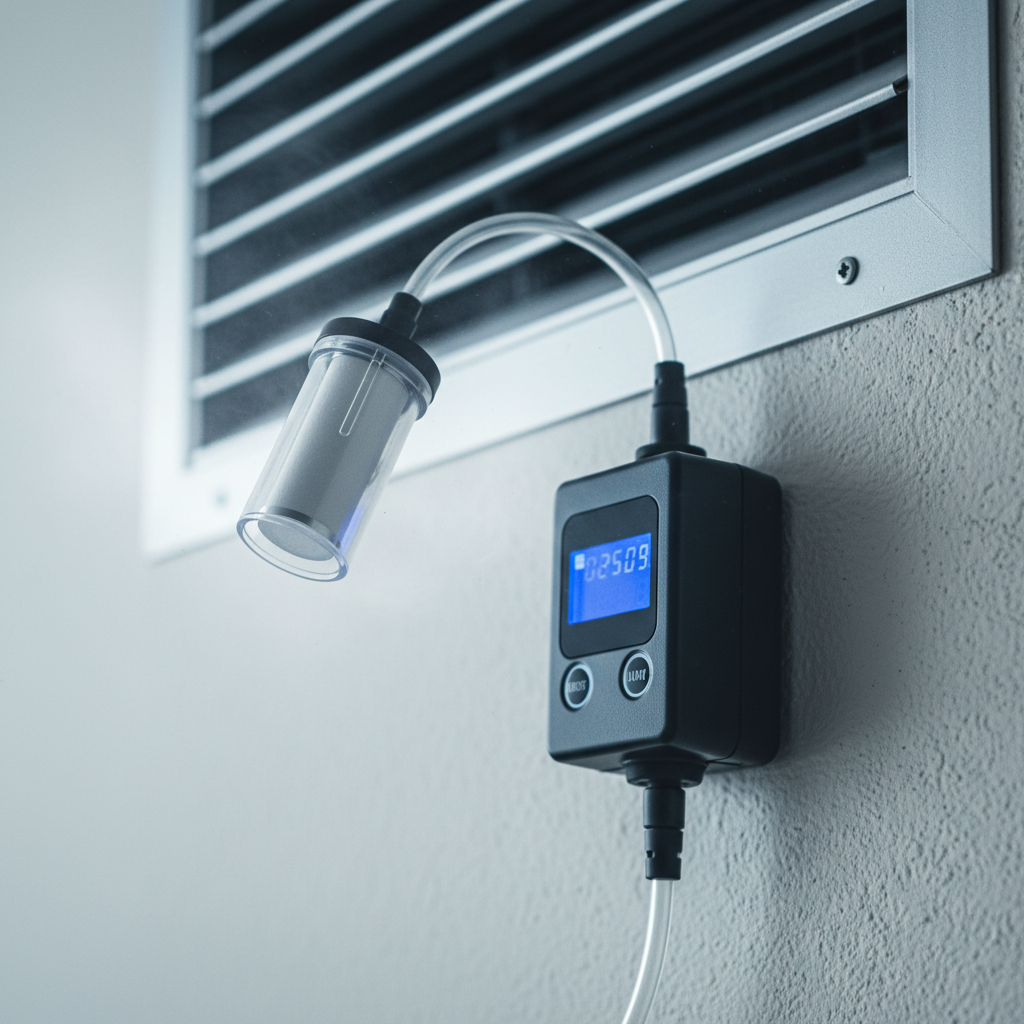
- Air sampling: Collects airborne spores to compare areas or confirm improvement after remediation.
- Surface sampling: Tape-lift or swab checks identify growth on materials and help target treatments.
- Moisture and thermal imaging: Guides sample locations by showing what’s wet or cold from air movement.
Sampling is a tool—not a default. We use it to answer specific questions, such as “Is this discoloration active mold?” or “Did the attic ventilation fix stabilize air quality?”
Remediation methods (paired to the cause)
- Containment and negative pressure: Prevents cross-contamination in occupied homes and commercial spaces.
- HEPA air filtration devices (AFDs): Continuously scrub air; combined with HEPA vacuuming during detailed cleaning.
- Selective removal: Strip only what’s unsalvageable; keep structural integrity while eliminating reservoirs.
- Antimicrobial application: EPA-approved products neutralize remaining colonies on cleaned substrates.
- Attic insulation removal/replacement: Removes contaminated insulation and supports better ventilation performance.
- HVAC cleaning for mold: Addresses dust reservoirs and restores healthy airflow where systems are implicated.
In attics across ON, improving ventilation and sealing bypasses is often the lasting fix. In basements, dehumidification and drainage corrections keep results stable after cleanup.
Pricing factors: 9 drivers that determine your investment
Nine variables shape mold testing and removal cost: moisture severity, affected areas, material types, access limits, safety controls, sampling needs, HVAC involvement, restoration needs, and documentation requirements. The right scope aligns these to your goals without over- or under-doing work.
- 1) Moisture severity and source: Active leaks, high humidity, or chronic condensation increase investigation and stabilization steps.
- 2) Area count and layout: Single attic bay vs. attic plus basement/crawl space scopes drive containment design and timeline.
- 3) Material types: Porous insulation and drywall differ from sealed framing; methods and salvageability vary.
- 4) Access and clearance height: Tight attics or congested mechanical rooms change setup time and containment complexity.
- 5) Safety controls: Negative air, PPE, and pressure monitoring are essential; occupied homes and businesses require enhanced controls.
- 6) Testing and lab strategy: Baseline and post-remediation sampling may be specified for documentation or peace of mind.
- 7) HVAC involvement: Supply/return contamination or inside-duct reservoirs expand the scope to system cleaning.
- 8) Restoration steps: Insulation replacement, drywall repairs, and repainting add tasks beyond remediation.
- 9) Documentation and warranty: Real estate or institutional projects often require robust photo logs and clearance proof leading to our Warranty Certificate.
We map these variables to a clear plan so you understand the work driving your investment—not a mystery line item.
Best practices for efficient, safe remediation
Successful mold projects prioritize safety, source control, and documentation. Prep spaces, isolate work zones, fix moisture, clean meticulously with HEPA, and verify results. This sequence reduces rework, speeds closings, and supports warranty-backed outcomes.
- Start with moisture: Stabilize leaks and humidity before demolition; it prevents re-growth.
- Engineer containment: Size it to the task; pressure checks help keep adjacent areas clean.
- Use sampling intentionally: Test when it answers a decision-making question or supports documentation.
- Clean like surgery: HEPA vacuuming plus damp-wipe detail makes post-clean checks faster.
- Plan restoration early: Line up insulation, drywall, and paint tasks to avoid schedule gaps.
- Document everything: Photos, logs, and punch lists make final clearance smoother for buyers, sellers, and insurers.
These steps reflect our field-tested approach across homes, offices, retail, schools, and healthcare sites. Learn more about our methods on the About page.
Tools and resources homeowners can trust
Reliable mold work pairs professional tools—moisture meters, thermal imaging, HEPA AFDs—with trustworthy guidance. Look for clear scopes, transparent safety plans, and documentation that stands up to real estate and institutional review.
Homeowners often ask which instruments matter most. In our kits you’ll find calibrated moisture meters and thermal imagers to trace wet assemblies without guesswork. We operate HEPA air filtration devices continuously in work zones to protect occupants and speed particulate removal.
For background on moisture and ventilation contributing to bathroom mold, see this practical overview of bathroom mold causes. For lab selection principles that echo chain-of-custody and method validation best practices, this guide on choosing the right testing lab offers useful context. And for understanding how sampling complexity can affect planning across disciplines, review this explainer on testing complexity and scope.
Get a same-day inspection (Ontario-wide)
Need fast answers? ASM Mold Removal Inc. offers Ontario-wide, same-day response. Book a free inspection and moisture assessment to get a clear, no-pressure plan. Start here: request a visit.
Case studies: how scope, safety, and documentation shape outcomes
Across Ontario homes and workplaces, results improve when projects target the cause, right-size containment, and verify clearance. These three mini-cases show how planning—not guesswork—keeps timelines tight and outcomes durable.
1) Scarborough attic mold after winter condensation
- Situation: Visible attic sheathing discoloration with musty odor after freeze/thaw swings.
- Plan: Moisture mapping, attic ventilation review, containment, HEPA AFD, surface treatment, and insulation top-up after remediation.
- Result: Clean sheathing, stabilized humidity, and documented photos supporting a real estate listing.
2) Basement cleanup tied to a prior leak
- Situation: Past water intrusion left intermittent odors and suspect drywall.
- Plan: Thermal imaging and meter readings guided selective removal; containment blocked stairs; HEPA vacuum and damp-wipe finished the zone.
- Result: Fresh air reports, no visible contamination, and a clear path to drywall repair and repainting.
3) Commercial HVAC remediation without downtime
- Situation: Office staff reported odors near supply vents.
- Plan: After-hours containment and pressure control, duct cleaning focus on returns, and AFDs for overnight scrubbing.
- Result: Normalized air quality readings, minimal disruption, and operations proceeding the next morning.
Frequently Asked Questions
Homeowners and property pros ask about testing needs, timelines, occupancy, and proof of success. Here are direct answers based on our Ontario fieldwork and warranty-backed process.
Do I always need lab testing before mold removal?
Not always. If the cause and visible growth are clear, we can scope safe containment and removal without lab work. We use sampling when results inform decisions, help document clearance, or support transactions and sensitive environments.
How long does a typical remediation take?
Timelines depend on moisture severity, area count, and access. Many single-zone projects complete in days, while multi-zone or HVAC-involved work adds steps. A clear plan with containment, HEPA scrubbing, and organized restoration keeps schedules tight.
Can we stay in the home during remediation?
Often, yes. With well-engineered containment, negative pressure, and continuous HEPA air filtration, adjacent areas can remain usable. We’ll advise case-by-case for infants, seniors, or immune‑sensitive occupants.
What is the Mold Remediation Warranty Certificate?
It’s our written assurance—issued after visual or specified post-remediation checks—that treated areas are free from active mold. It includes project photos and notes, giving homeowners and real estate partners confidence in the outcome.
How do I keep mold from coming back?
Control moisture first: fix leaks, improve attic ventilation, and keep basements/crawl spaces dry. Use dehumidification during humid weeks and ensure bathroom and kitchen fans vent outdoors. Our long-term prevention plans address these systematically.
Key takeaways and next steps
Define the work before the number: fix moisture, right-size safety, and document success. That’s how mold testing and removal cost stays aligned with your goals—and why warranty-backed outcomes matter.
- Scope follows the cause—investigation first, then targeted testing.
- Containment, negative air, and HEPA filtration protect occupants and speed results.
- Attic, basement, crawl space, and HVAC areas need tailored plans.
- Documentation and our Warranty Certificate support real estate and peace of mind.
Ready for clear answers? Visit our home page, learn how we work on the About page, or book your free inspection now.