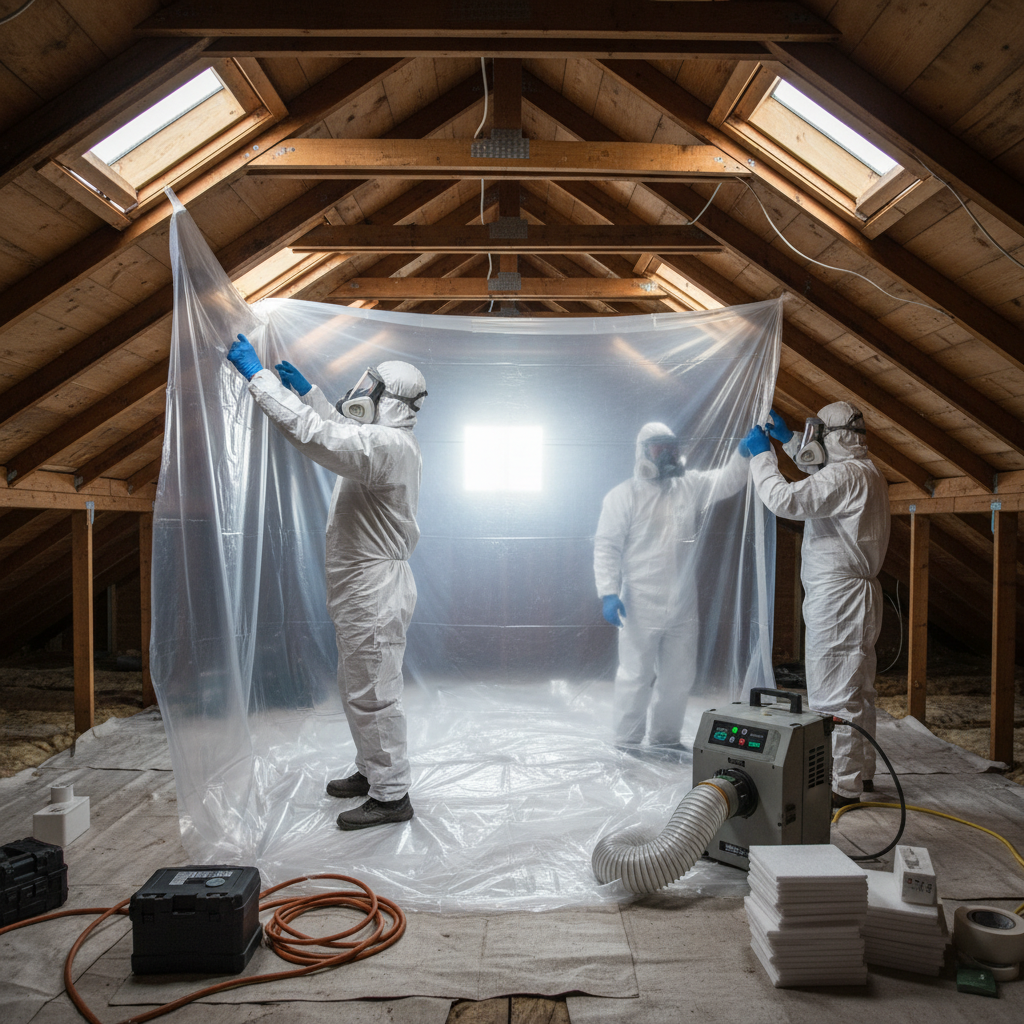
Mold remediation services are the professional assessment, containment, removal, and prevention steps used to restore healthy indoor air and protect building materials. From our Scarborough hub at 1225 Kennedy Rd, we provide Ontario-wide, same-day support using HEPA filtration, negative pressure, and EPA-approved treatments to stop growth at the source and prevent it from returning.
By Asmmoldremoval • Last updated: 2026-05-23
Overview and Table of Contents
This complete guide explains what mold remediation is, why it matters, and how professional teams remove and prevent mold. You’ll see our step-by-step workflow, methods for attics, basements, crawl spaces, HVAC, and commercial sites, plus tools, best practices, examples, and FAQs—so you can act confidently and restore safe indoor air.
Use this guide to quickly scan or dive deep. You’ll learn how to:
- Identify when you need professional mold remediation services versus light DIY cleanup
- Understand inspection, containment, HEPA filtration, removal, and post-remediation verification
- Prevent recurrence with moisture control, ventilation, and long-term maintenance
- Document results for buyers, sellers, and real estate agents with a warranty certificate
- What is mold remediation?
- Why mold remediation services matter
- How remediation works in Scarborough and the Toronto area
- Types, methods, and approaches
- Best practices you can trust
- Tools and resources professionals use
- Case studies and real-world examples
- DIY vs professional: What’s right for you?
- Frequently asked questions
- Key takeaways
- Next steps
What Is Mold Remediation?
Mold remediation is the end-to-end process of locating moisture sources, safely containing and removing contaminated materials, filtering airborne spores, and preventing regrowth. The goal is clear: restore indoor air quality to normal levels and return spaces to safe use with documentation and long-term prevention.
Here’s the thing—surface cleaning alone doesn’t solve mold. Spores thrive when relative humidity exceeds ~60% and when materials stay wet for 24–48 hours. Remediation addresses root moisture, physically removes growth, and filters the air using HEPA (99.97% capture at 0.3 microns) to reduce airborne spores.
- Core phases: assessment and testing, containment and negative pressure, source removal and cleaning, air filtration, verification, and prevention planning.
- Common triggers: roof leaks, basement seepage, foundation cracks, HVAC condensation, bathroom humidity, or past flooding.
- Expected outcomes: dry structure, visibly clean surfaces, air/surface samples within normal range, and a documented plan to keep it that way.
In our experience, homeowners and facility managers get the best results when remediation is paired with moisture control—think ventilation upgrades, dehumidification, and targeted repairs. If you want to understand our credentialed approach, check our team profile on the About page.
Why Mold Remediation Services Matter
Mold harms air quality, damages building materials, and complicates real estate transactions. Professional remediation protects occupant health, preserves property value, and provides documentation buyers, sellers, and agents can rely on—especially when work includes post-remediation verification and a warranty certificate.
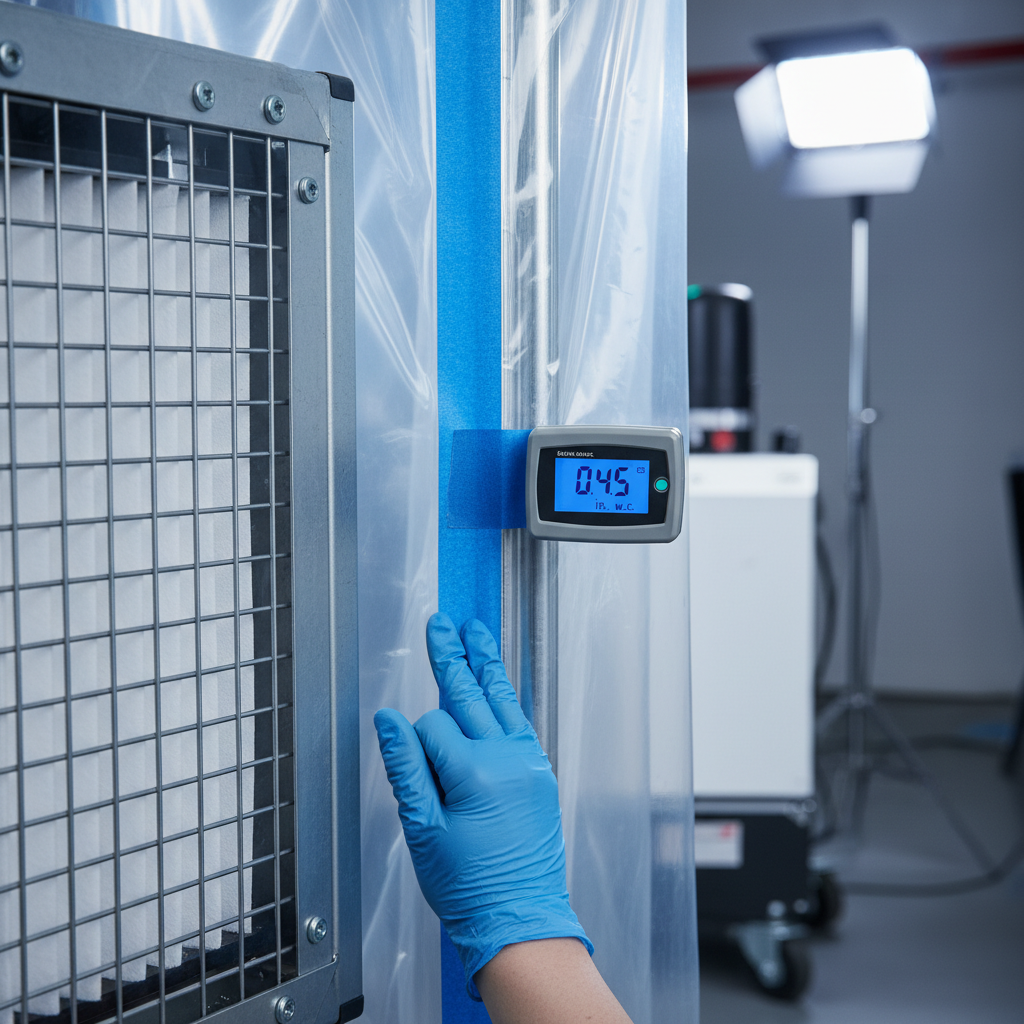
Here’s why this matters. Excess moisture lets colonies establish in 24–48 hours. Porous materials like drywall and insulation deteriorate quickly. Unchecked, mold spreads through airflow and foot traffic. With professional controls—4–6 air changes per hour using HEPA scrubbers and negative pressure at roughly 0.02–0.03 in. w.c.—spores are captured and migration is minimized.
- Health and comfort: Cleaner air means fewer odors and improved comfort. HEPA filtration captures particles down to 0.3 microns.
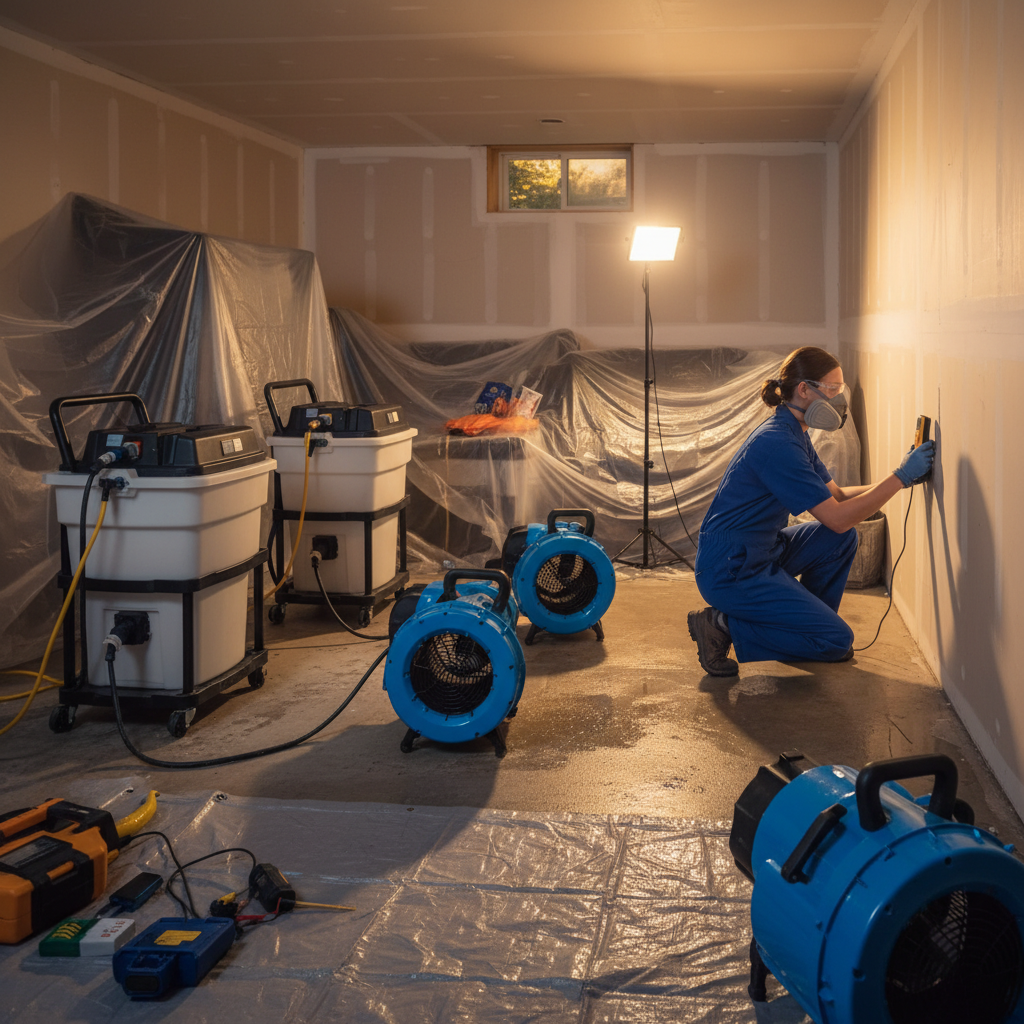
- Structure and finishes: Timely drying (often 3–5 days with dehumidifiers and air movers) protects framing, subfloors, and finishes.
- Documentation: Many transactions need evidence that areas are free from active mold. Our Mold Remediation Warranty Certificate supports that need.
- Operational continuity: On commercial sites, overnight or phased work limits downtime. Negative air keeps adjacent suites open and safer.
If you’re weighing DIY versus calling specialists, remember: the bigger risk isn’t what you see—it’s hidden wet cavities. We routinely find concealed growth behind baseboards, under vapor barriers, and inside return plenums. A structured protocol prevents cross-contamination and makes results verifiable.
How Mold Remediation Works in Scarborough and the Toronto Area
Our Scarborough-based team follows a proven workflow: free inspection, moisture mapping, containment with negative pressure, HEPA air filtration, safe removal, antimicrobial treatment, and verification. This local approach fits Toronto housing stock and seasonal humidity swings, keeping projects efficient and disruption low.
We tailor each project to building type and season. In summer, we target 30–50% RH with dehumidification; in winter, we correct cold-spot condensation in attics and exterior corners. Typical residential projects last 1–3 days for light to moderate contamination; large or complex sites may take longer with phased areas.
- Free inspection and moisture assessment: Visual review, thermal imaging, and moisture measurements identify wet materials and likely sources.
- Isolation and negative pressure: 6-mil poly with zipper doors and pressure monitoring (target ~0.02–0.03 in. w.c.) creates a controlled work zone.
- HEPA air filtration: Air scrubbers sized for 4–6 ACH remove suspended spores; HEPA vacuums clean surfaces before and after removal.
- Source removal and cleaning: Remove damaged drywall/insulation as needed; wire-brush or sand stained wood; wipe non-porous items with EPA-approved products.
- Drying and stabilization: Dehumidifiers and air movers dry materials to safe moisture content baselines before rebuild.
- Post-remediation verification: Visual clearance, dryness checks, and optional third-party sampling confirm results; documentation is compiled.
- Warranty and prevention: You receive a Mold Remediation Warranty Certificate plus practical steps to keep RH between 30–50% and prevent future issues.
Want a same-day visit? Use our Contact page to request immediate scheduling. We mobilize quickly across Toronto and the GTA with discreet, well-contained setups.
Local considerations for Scarborough
- Attic projects near the Lawrence East area often reveal ventilation gaps; we pair remediation with baffle checks and air sealing to reduce ice-dam staining.
- Heavy summer humidity raises basement RH; keep it at 30–50% with dehumidifiers and ensure continuous drainage—especially after storms.
- Busy commuter corridors like Kennedy Rd at Lawrence Ave East increase dust load. We upsize pre-filters and vacuum routes to protect adjacent rooms.
Types, Methods, and Approaches
Every environment needs a tailored remediation plan. Attics demand ventilation fixes, basements need drainage and dehumidification, crawl spaces require vapor control, HVAC systems call for coil and duct cleaning, and commercial sites benefit from phased, negative-air zones that limit downtime.
Attic mold remediation
- Common causes: Roof leaks, missing baffles, bathroom fans exhausting into the attic, or air leaks at hatches and fixtures.
- Approach: Remove contaminated insulation as needed, wire-brush/sand sheathing, apply EPA-approved antimicrobial, and correct ventilation.
- Benchmarks: Wood moisture content returns to baseline; discoloration is physically removed; airflow through soffit/ridge vents is verified.
Basement mold cleanup
- Common causes: Hydrostatic pressure, poor grading, failed sump systems, or condensation on cool walls.
- Approach: Seal work zones, remove damaged drywall, run 70–120-pint dehumidifiers, and maintain 30–50% RH during and after work.
- Benchmarks: Wall and plate readings stabilize; no visible growth; odors eliminated within 48–72 hours after drying.
Crawl space mold removal
- Common causes: Exposed soil, seasonal groundwater, or unsealed vents allowing humid air inside.
- Approach: 6–10 mil vapor barrier over soil, sealed seams, perimeter dehumidification, and remediation of joists/subfloor.
- Benchmarks: Vapor barrier intact; dew point stays below surface temperature; wood moisture stabilizes.
HVAC-related remediation
- Common causes: Dirty coils, wet drain pans, or duct condensation.
- Approach: Clean coils and pans, treat non-porous surfaces, replace filters, and correct insulation or air leaks.
- Benchmarks: Condensate drains freely; no visible growth; filter pressure drops within normal range; supply/return balance improves.
Commercial mold remediation
- Phased containment: Maintain operations by isolating zones and increasing overnight air changes.
- Communication: Clear plans for tenants reduce disruption; pressure logs document safety.
- Benchmarks: Clearance visual/measurement standards met; areas returned to service on schedule.
Best Practices You Can Trust
Reliable remediation follows clear standards: isolate work, maintain negative pressure, use HEPA filtration, remove contamination physically, dry to baseline, and verify results. Documentation, photos, and clear prevention steps make outcomes durable and easy to audit.
- Containment discipline: Double-door access, floor protection, and pressure monitors reduce spore migration between rooms.
- HEPA-first cleanup: HEPA vacuuming before, during, and after removal lowers airborne load; vacuums get multiple slow passes.
- Drying targets: Keep RH at 30–50% and monitor moisture content until it matches unaffected controls.
- Verification: Visual clearance and optional sampling confirm success; records include dates, readings, and photos.
- Transparent plan: We provide a step-by-step scope so homeowners, buyers, sellers, and agents know what to expect.
Moisture drives mold. For a deeper look at measurement concepts, review this practical overview of moisture content analysis. It reinforces why drying to baseline is non‑negotiable after removal and cleaning.
Tools and Resources Professionals Use
Certified teams rely on measurement and control. Expect HEPA air scrubbers sized for 4–6 ACH, HEPA vacuums, digital manometers for negative pressure, thermal cameras, pinless/pin moisture meters, PPE, dehumidifiers, and air movers—plus EPA-approved products appropriate to surface type.
- HEPA air scrubbers: 99.97% capture at 0.3 microns; properly ducted to maintain directional airflow and reduce dust migration.
- Digital manometers: Real-time pressure logs document negative pressure targets around 0.02–0.03 in. w.c.
- Moisture meters: Pin and pinless models for drywall, wood, and concrete; readings trend to normal before rebuild.
- Thermal imaging: Flags hidden leaks and insulation voids so removal stays surgical, not excessive.
- PPE: Respirators, gloves, and full suits keep technicians safe and prevent contamination.
Bathroom humidity is a classic trigger for growth and odors. For a homeowner-focused primer on causes, see this short explainer on bathroom mold causes. You’ll recognize many of the patterns we correct during remediation.
Case Studies and Real-World Examples
Results matter. These short case snapshots show how targeted containment, removal, and drying deliver fast turnarounds, clean air, and confidence—backed by documentation and our Mold Remediation Warranty Certificate when work passes verification.
Scarborough attic: Roof leak and winter staining
- Situation: Staining on sheathing above a bathroom; bath fan exhausted into the attic; RH spiked on cold days.
- Action: Isolated the hatch, removed wet insulation, wire-brushed sheathing, applied antimicrobial, corrected ventilation/baffles.
- Outcome: Wood moisture returned to baseline; odor gone within 48 hours; prevention plan set to keep RH at 30–50%.
Brampton basement: Sump interruption after storm
- Situation: Wet drywall and baseboards across two rooms; visible spotting after 72 hours.
- Action: Containment, selective removal, 2 dehumidifiers plus 4 air movers (approx. 3–5 days), HEPA scrubber at 4–6 ACH.
- Outcome: Dryness verified; visual clearance passed; warranty certificate issued upon inspection.
Toronto office: HVAC condensation in return plenum
- Situation: Odor complaints; growth near wet insulation around return.
- Action: Night-shift containment, coil/pan cleaning, insulation repair, and filter upgrades; pressure logs captured each shift.
- Outcome: Odors resolved; tenants remained operational; documentation shared with property management.
GTA warehouse crawl space: Seasonal groundwater
- Situation: Exposed soil and intermittent water raised RH.
- Action: Installed vapor barrier, sealed seams, remediated joists; dehumidification maintained dew point control.
- Outcome: Stabilized environment; inspections showed clean surfaces and normal moisture trends quarter over quarter.
For business operators, improved ventilation and cleaning protocols also boost indoor comfort. This Ontario-focused overview of air quality improvement practices echoes our emphasis on filtration, maintenance, and airflow.
DIY vs Professional: What’s Right for You?
DIY can work on tiny, non-porous patches if the source is fixed and safety is respected. Larger areas, porous materials, hidden moisture, odors, or health sensitivities call for certified professionals with containment, negative pressure, and verification. When in doubt, start with a free inspection.
Use this quick comparison to decide your next step.
| Factor | DIY Cleaning | Professional Remediation |
|---|---|---|
| Scope | Tiny areas on non-porous surfaces; source already fixed | Any porous materials, recurring growth, odors, or >10–20 sq ft |
| Controls | Basic PPE; no pressure control | Containment with ~0.02–0.03 in. w.c. negative pressure; HEPA 4–6 ACH |
| Verification | Visual only | Visual plus measurements; optional third-party sampling |
| Time | Hours | 1–3+ days depending on size and drying needs |
| Documentation | None | Photos, logs, and Warranty Certificate (upon passing) |
Not sure where your situation falls? Read our service overview on the Asmmoldremoval site and then reach out for a free, same-day assessment.
Process Checklist (Step by Step)
Successful remediation follows a measured sequence: find moisture, isolate the area, filter the air, remove contamination, dry materials to baseline, verify, and prevent recurrence. Skipping steps risks rebound growth and lingering odors.
| Step | Purpose | Key Tools | Typical Targets |
|---|---|---|---|
| Assessment | Locate moisture and affected materials | Thermal camera, moisture meters | Identify wet areas within 24–48 hours |
| Containment | Stop spore spread | 6-mil poly, zipper doors | Clean egress, floor protection |
| Negative pressure | Control air movement | Air scrubber + manometer | ~0.02–0.03 in. w.c. |
| Filtration | Remove airborne spores | HEPA scrubber/vacuum | 4–6 ACH, multiple passes |
| Removal/Cleaning | Eliminate colonized material | Hand tools, antimicrobial | Visible growth physically gone |
| Drying | Stabilize structure | Dehumidifiers, air movers | 30–50% RH; baseline moisture |
| Verification | Prove success | Moisture checks, optional sampling | Visual pass; logs complete |
| Prevention | Stop recurrence | Ventilation, drainage | Documented plan |
Simple Tools You May Already Own
Homeowners can monitor risk with a hygrometer, a small dehumidifier, and a flashlight. These basics help keep RH at 30–50%, catch leaks early, and spot staining—so you can call for help before growth takes hold.
- Hygrometer: Keep RH between 30–50% to slow mold growth and improve comfort.
- Dehumidifier: Run continuously in summer or damp basements; clean filters regularly.
- Flashlight: Inspect under sinks, in corners, and at the attic hatch for early warning signs.
Soft CTA: Prefer a pro walkthrough? Book a free inspection on our Contact page—we often arrive same day across Toronto and Ontario.
Frequently Asked Questions
Get quick, direct answers about timelines, safety, what’s included, and how to prevent mold from coming back. If you don’t see your question, request a free assessment and we’ll tailor advice to your home or facility.
How long does professional mold remediation take?
Light residential projects often finish in 1–3 days. More complex jobs with drying, insulation replacement, or multiple zones can take longer. We size HEPA filtration for 4–6 ACH and monitor pressure around 0.02–0.03 in. w.c. to work efficiently and safely.
Do I need to leave my home during remediation?
Usually, no. Proper containment, negative pressure, and HEPA filtration allow most families to remain on-site, away from the work zone. Sensitive occupants may prefer to step out during removal hours; we schedule around your needs.
What is included in mold remediation services?
Expect a free inspection, moisture mapping, containment, negative pressure, HEPA filtration, safe removal, drying, and verification. You’ll receive photos and logs, and when work passes checks, we issue a Mold Remediation Warranty Certificate for your records.
How can I prevent mold from returning?
Control moisture. Keep RH at 30–50%, fix leaks within 24 hours, ventilate bathrooms and kitchens outdoors, and maintain clean HVAC filters. In attics, ensure proper baffles and insulation. We provide a custom prevention plan after each project.
Is black mold removal different from regular mold removal?
The control methods are the same—containment, negative pressure, HEPA filtration, and physical removal. What changes is urgency and caution. We prioritize rapid response, careful handling of porous materials, and thorough verification before reopening the area.
Key Takeaways
Act fast, control moisture, and use professional containment and HEPA filtration for reliable results. Keep RH at 30–50%, fix leaks within 24 hours, and document the process so buyers, sellers, and property managers can trust the outcome long term.
- Growth starts when materials stay wet for 24–48 hours—speed matters.
- HEPA controls (4–6 ACH) and negative pressure (~0.02–0.03 in. w.c.) reduce spread.
- Dry to baseline and verify before rebuild to avoid rebound growth.
- Pair remediation with prevention: ventilation, drainage, and humidity control.
- Documentation and a Warranty Certificate protect property value and confidence.
Next Steps
If you suspect mold, schedule a free inspection now. We provide same-day response across Ontario from our Scarborough base, deliver clear plans, and back successful projects with a Mold Remediation Warranty Certificate to support your records and transactions.
- Review our approach on the Asmmoldremoval homepage.
- Learn about our team and standards on the About page.
- Request your free inspection on the Contact page.
When working with clients across Toronto, we’ve found that combining rapid drying (3–5 days), filtration (4–6 ACH), and thorough verification delivers consistent results and fewer callbacks. That’s how you turn a stressful surprise into a clean, documented handoff.