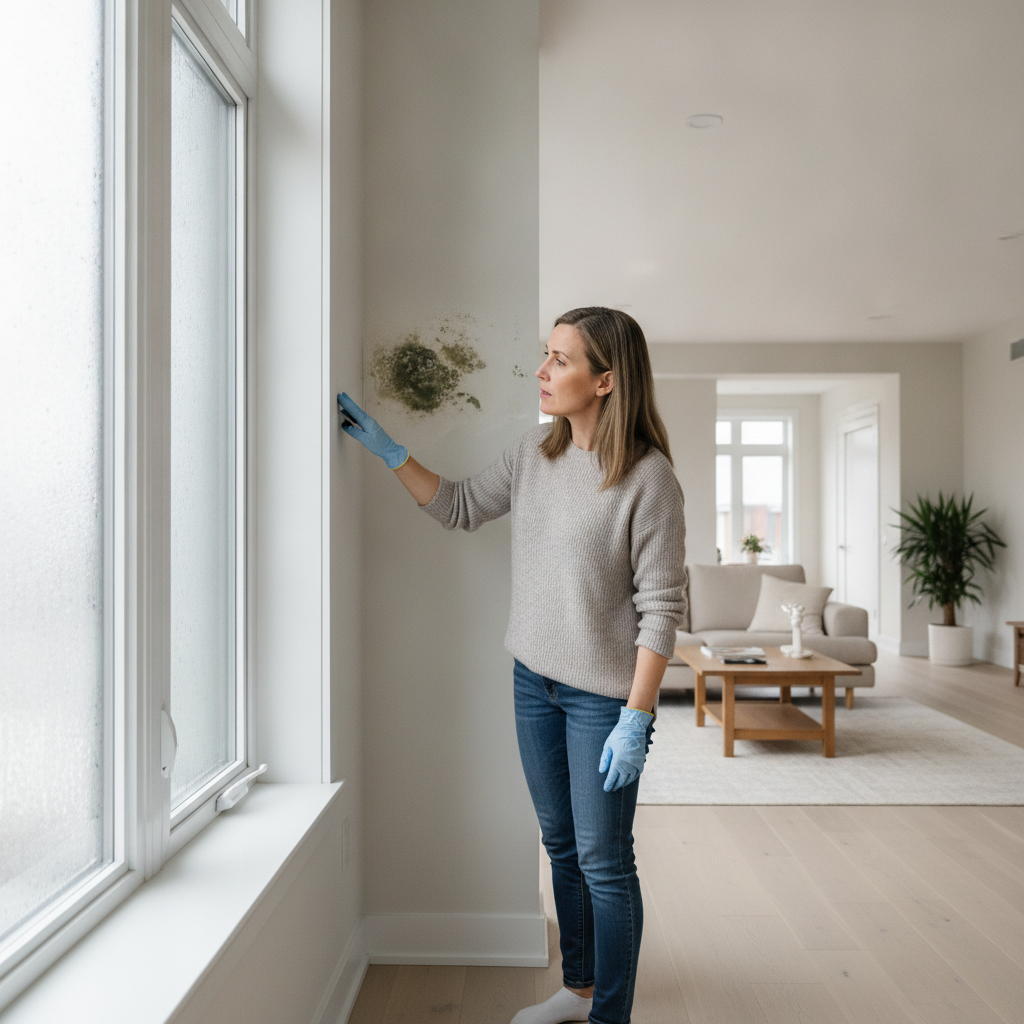
Mold on walls is the visible growth of fungi on painted drywall, plaster, tile grout, or paneling caused by excess moisture and poor ventilation. It spreads by releasing spores that travel through indoor air. Address the moisture source first or spots will return after cleaning—especially in humid Scarborough homes.
By ASM Mold Removal Inc. • Last updated: 2026-07-11
| Service area | Ontario-wide, based in Scarborough |
|---|---|
| Response time | Same-day inspections for urgent issues |
| Hours | Open daily, 7:00 AM – 7:00 PM |
| Key services | Mold Inspection & Testing; Mold Removal & Remediation; Attic, Basement & Crawl Space cleanup; Water Damage Restoration |
| Protection | HEPA filtration, containment, eco-friendly EPA-approved treatments |
| Assurance | Mold Remediation Warranty Certificate after completion and inspection |
| Reputation | 5.0 average rating (12 Google reviews) |
- Overview
- What mold on walls means
- Prerequisites before you start
- Identify type and severity
- Safe DIY removal steps
- Warning signs you need a pro
- What a certified inspection covers
- Preventing wall mold from returning
- FAQ
- Key takeaways
Scarborough homeowner tip
In older Scarborough bungalows built before the mid-1970s, we often find mold behind exterior walls due to missing vapor barriers. Many 1980s condos also have underpowered bathroom fans. We’re based in Scarborough, so our same-day inspections reach you fast when you spot stains or smell mustiness.
Overview
If you can see small specks on painted walls and there’s no soft drywall or musty odor beyond that room, you can usually clean it safely. If stains keep returning, drywall feels spongy, or odors drift between rooms, pause DIY and schedule a same-day inspection and moisture mapping.
- What you’ll learn: the real causes, DIY-safe cleanup steps, and when to call certified pros.
- Why it matters: untreated moisture lets colonies double in 48–72 hours in humid rooms.
- How we help: same-day inspections and remediation across Ontario, with a Warranty Certificate.
What Mold on Walls Actually Means (and Why It Spreads Fast)
Wall mold is a symptom, not the root problem. Moisture—condensation, humidity above ~60%, or leaks—feeds spores on paint and paper-faced drywall. In our Scarborough jobs, bathroom steam and attic bypasses are top culprits; left alone, visible spots often expand within a few days.
Here’s how it takes off and why it returns:
- Moisture + food + time: paint and drywall paper supply food; moisture supplies water.
- Fast growth window: at sustained ~60–65% RH, we see visible spread in 48–72 hours.
- Common triggers: shower steam, cooking without exhaust, roof or window leaks, cold-wall condensation.
- Hidden drivers: unsealed bath fan ducts in attics and basement seepage along foundation walls.
If you only wipe stains without drying the wall or fixing ventilation, spores keep finding moisture and recolonize.
Prerequisites: What to Check Before You Touch Anything
DIY is reasonable for small, surface-only areas under about 10 square feet total, with no soft or crumbled drywall and no musty odor beyond the room. Wear PPE, ventilate safely, and shut room HVAC vents. Anything bigger, smellier, or soggier deserves a certified inspection first.
Run through this quick triage:
- Size and spread: add up all patches; if near or above 10 sq ft, stop DIY.
- Material condition: press lightly; if it dents or flakes, there’s likely deeper damage.
- Moisture check: look for bubbling paint, damp baseboards, or fresh water stains.
- Ventilate smart: open a nearby window; avoid blowing air toward clean rooms.
- Gear up: N95 or better respirator, non-vented goggles, gloves, and disposable coveralls.
- Protect the area: plastic sheeting on floors; tape over supply/return vents in the room.
Not sure it’s surface-only? Book an ASM same-day inspection. We’ll verify with moisture meters and thermal imaging before anyone opens a wall.
How to Identify the Type and Severity of Wall Mold
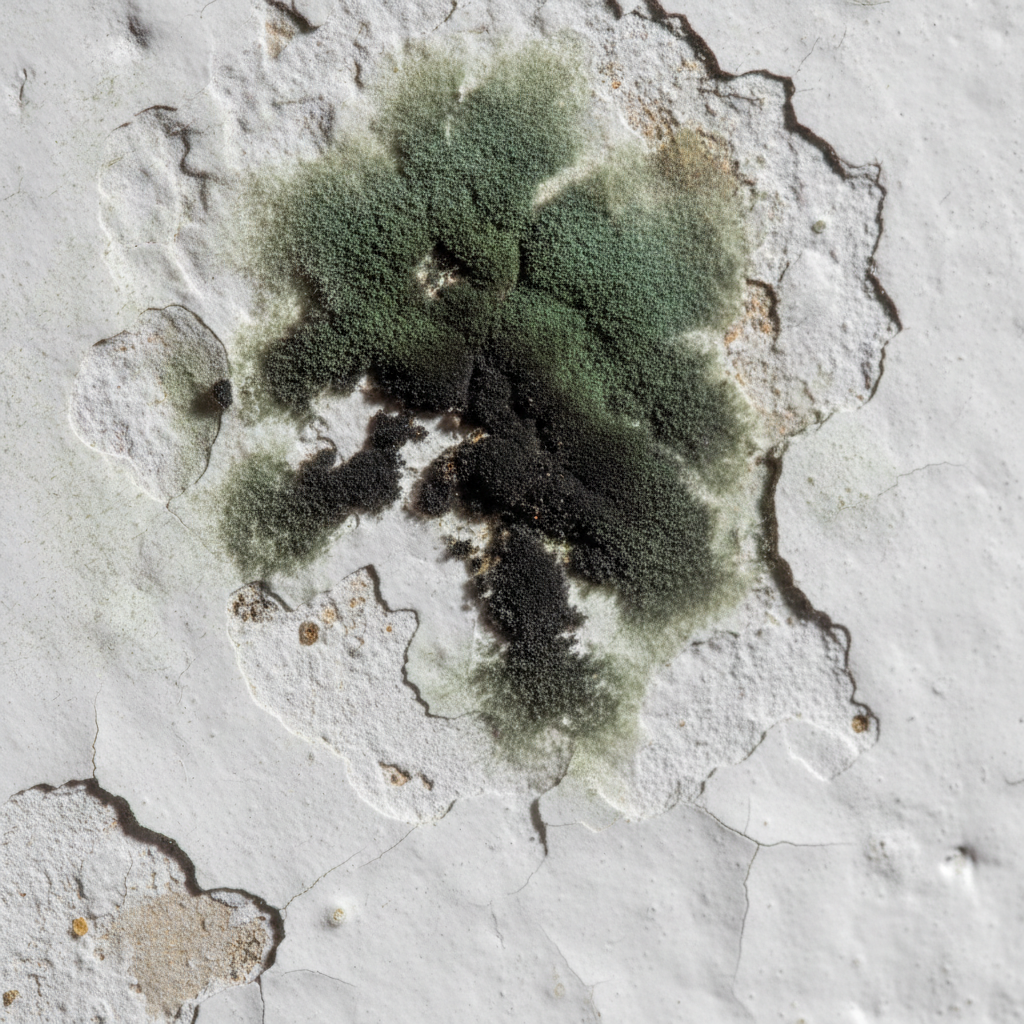
Judge severity by building clues, not color. Speckling on paint with dry, firm drywall is usually surface-level. Bubbling paint, swollen trim, sagging drywall, or odor traveling between rooms signals wall-cavity growth that calls for testing and contained removal.
Use these practical tells:
- Surface-only signs: faint dots on bathroom paint, no musty smell outside that room, drywall feels firm.
- Hidden growth clues: peeling/bubbling paint, rusted drywall screws, soft baseboards, or damp corner studs.
- History matters: past roof leaks, basement seepage, or a recent overflow increase wall-cavity risk.
Our inspections combine moisture mapping, thermal imaging, and targeted air quality testing where justified—so you get a plan, not guesswork. See who we are on the About ASM Mold Removal page.
Step-by-Step: Safe DIY Removal for Small Surface Mold
For small, surface-only patches, fix moisture first, then clean with the right product and PPE. We favor 3% hydrogen peroxide or an EPA-registered fungicide (e.g., Concrobium). Skip bleach on drywall—it doesn’t penetrate, and stains often return within two weeks.
- Stop moisture: fix obvious leaks/condensation, run a dehumidifier to ~45–50% RH.
- Light containment: close doors, open a nearby window, cover room HVAC registers.
- PPE on: N95 or better respirator, gloves, goggles, and disposable clothing.
- Apply cleaner: mist 3% hydrogen peroxide or an EPA-registered product; let dwell per label.
- Agitate gently: wipe with a damp microfiber cloth; replace cloths as they load up.
- Rinse and dry: wipe with clean water, then dry thoroughly with moving air across the wall.
- Repaint smart: after 24–48 hours dry, spot-prime with stain-blocking primer; repaint as needed.
Troubleshooting common DIY issues
- Stain keeps returning: RH is still high or there’s a hidden leak—pause and schedule inspection and testing.
- Musty odor persists: likely wall-cavity growth; needs contained removal with HEPA filtration.
- Paint bubbles after cleaning: substrate was wet; plan for repairs before repainting.
For repaint prep after repairs, this wall preparation guide helps you avoid trapping residual moisture. Floods, roof leaks, attic condensation, or basement seepage also require contained removal with HEPA air filtration to prevent cross-contamination.
| Situation | DIY-safe | Needs certified remediation |
|---|---|---|
| Light speckling on bathroom paint | Yes, with PPE | No |
| Bubbling or peeling paint | No | Likely yes (hidden moisture) |
| Musty odor beyond one room | No | Yes (possible cavity growth) |
| Recent flood or active leak | No | Yes (water damage remediation) |
| Area larger than ~10 sq ft | No | Yes (HEPA containment) |
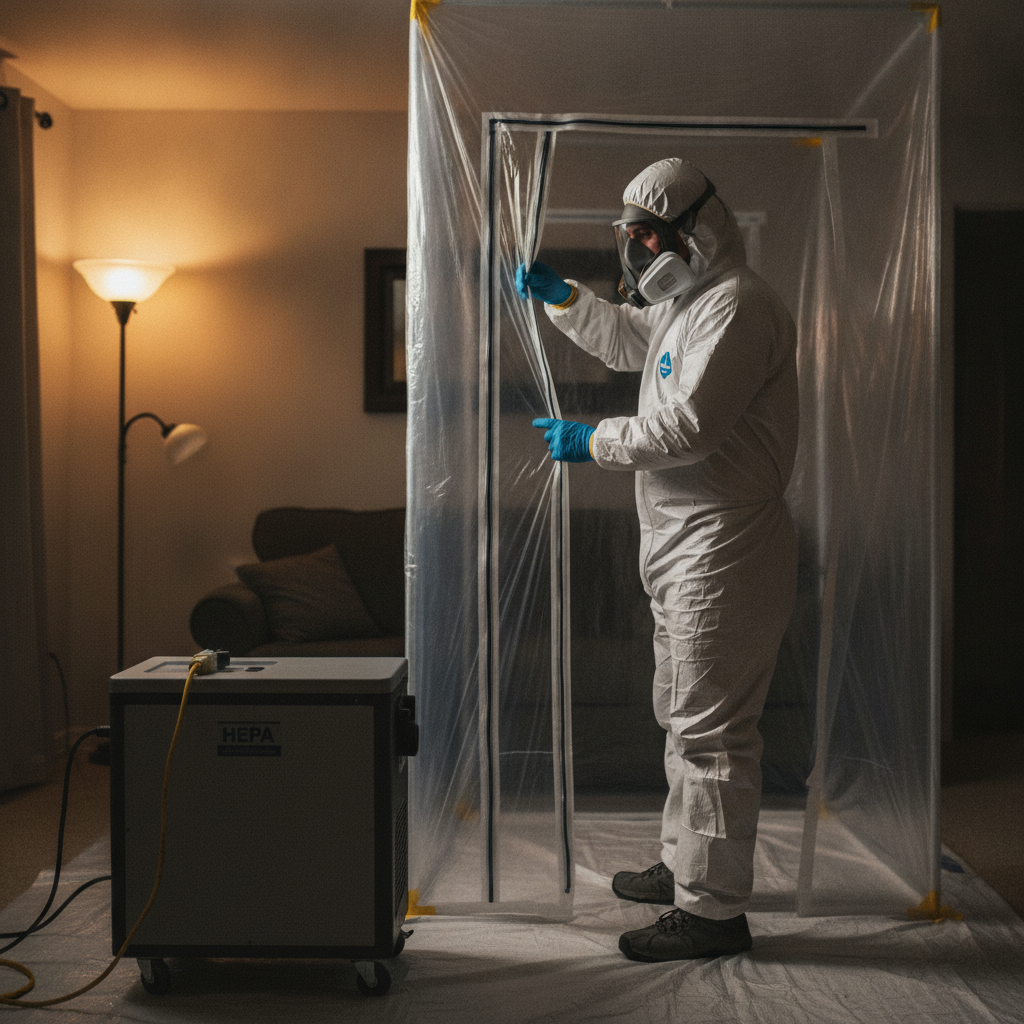
We build plastic containment, apply negative air with HEPA filtration, remove contaminated materials, and treat with eco-friendly products. Every completed remediation includes documentation and a Mold Remediation Warranty Certificate—valuable for buyers, landlords, and insurers. Learn more on our About ASM page or request an inspection.
What a Certified Mold Inspection Actually Covers (Ontario Context)
A certified inspection verifies whether growth is surface-only or inside the wall, pinpoints the moisture source, and defines safe removal. Expect moisture readings, thermal imaging, targeted sampling where warranted, and a written plan covering containment, HEPA filtration, treatments, and prevention.
Our Ontario inspections typically include:
- Moisture assessment: meter readings on walls, trim, and exterior corners; attic and basement checks.
- Thermal imaging: scans for hidden leaks, missing insulation, and condensation patterns.
- Air quality testing (when justified): to evaluate spore levels pre/post remediation.
- System review: ventilation performance (bath/kitchen), and HVAC cleanliness.
- Clear documentation: scope, containment plan, disposal, restoration steps, and a Mold Remediation Warranty Certificate after completion and inspection.
Planning to repaint after repairs? This wall patchwork guide explains prepping repairs before primer so you don’t seal in moisture.
Preventing Wall Mold from Coming Back
Prevention is moisture control: hold indoor RH near 40–50%, vent showers and cooking, and seal exterior leaks. In Scarborough basements, we often measure RH above 60% during shoulder seasons—use dehumidifiers and verify attic/bath fan performance to keep walls dry.
Make these habits routine:
- Control humidity: aim for 40–50% RH; use a hygrometer and set dehumidifiers accordingly.
- Vent bathrooms: run exhaust fans for 20 minutes after showers; clean dust from fan grilles.
- Improve attic airflow: clear soffits, confirm roof vents work, and ensure bath fans vent outdoors.
- Seal and maintain: inspect exterior caulking, flashing, and grading each spring and fall.
- Keep air moving: leave a gap behind furniture on exterior walls to avoid cold spots.
- Service HVAC: change filters regularly; consider cleaning if mold was present in ducts.
Local considerations for Scarborough
- Summer humidity surges during heatwaves; keep dehumidifiers set to 45–50% RH to protect painted walls.
- Spring thaws and heavy rains raise basement seepage risk; look for damp lines along concrete walls.
- In winter, cold exterior corners condense moisture; increase circulation and verify insulation.
If seepage is feeding wall mold, this leaky basement explainer outlines common causes to investigate while you wait for inspection.
Frequently Asked Questions
These quick answers address the most common wall-mold questions we get in Scarborough homes—what’s safe to DIY, why stains return, how pros remediate safely, and when testing helps. If your situation isn’t here, request a same-day inspection for a tailored plan.
Is it safe to clean small mold spots on painted walls myself?
Yes—if patches are small, surface-only, and drywall is firm. Wear an N95, gloves, and goggles. Use 3% hydrogen peroxide or an EPA-registered product, ventilate to the outside, and dry thoroughly. Stop if odors persist, stains return, or materials feel soft—those indicate hidden growth.
What causes mold on walls to keep coming back?
Moisture wasn’t fully corrected. In our Scarborough work, high RH, bath steam without strong exhaust, attic bypasses that condense, and minor plumbing leaks are common culprits. Fix the moisture source first, then clean, dry, and monitor the area for 48 hours.
How do professionals remove wall mold safely?
Certified teams set plastic containment, run HEPA air scrubbers under negative pressure, remove contaminated materials, and apply eco-friendly, EPA-approved treatments. We verify dryness and cleanliness with meters and, when warranted, air testing—then provide documentation and a Mold Remediation Warranty Certificate.
Do I need testing if I can already see mold?
Not always. Visible mold confirms a problem, but targeted sampling helps evaluate hidden spread, compare indoor versus outdoor spore levels, document clearance for real estate, or satisfy stakeholders. Our inspection will explain when testing adds value.
Key takeaways
Fix moisture first, then clean or remediate. DIY is fine for small, dry, surface-only spots; anything larger, smellier, or softer needs certified containment and removal. In Scarborough, humidity and older wall assemblies drive most wall mold—consistent ventilation and RH control prevent the comeback.
- DIY only if it’s small, dry, and surface-level; wear PPE and ventilate.
- Use 3% hydrogen peroxide or EPA-registered products; skip bleach on drywall.
- Stains returning or soft drywall = hidden moisture; schedule same-day inspection.
- Every ASM remediation ends with documentation and a Warranty Certificate.
About the author: Amardeep Mamidi writes on behalf of ASM Mold Removal Inc. in Scarborough, Ontario. ASM provides Ontario-wide mold inspection, removal, and remediation with same-day response, HEPA containment, eco-friendly treatments, and a Mold Remediation Warranty Certificate.
Ready to solve wall mold? Book a same-day inspection in Scarborough or anywhere in Ontario. We’ll diagnose moisture, contain safely, and back our work with a Warranty Certificate. Schedule now.