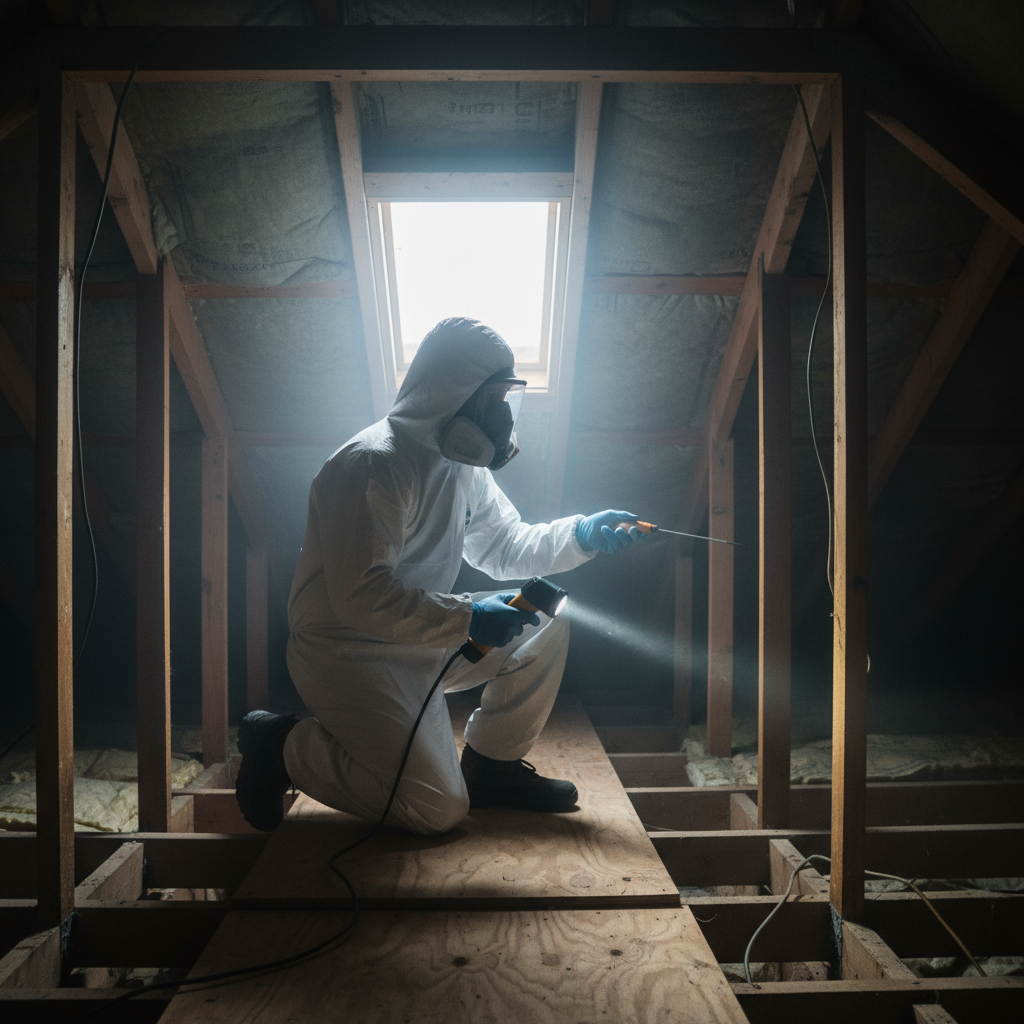
Mold inspections are a structured assessment of a property to locate visible and hidden mold, identify moisture sources, and define a clear remediation plan. At 1225 Kennedy Rd in Scarborough, ASM Mold Removal Inc. performs mold inspections across Ontario with same-day response—helping buyers, sellers, and owners make confident decisions fast.
By ASM Mold Removal Inc. • Last updated: 2026-05-27
Quick Summary
A mold inspection confirms if mold is present, measures moisture, and pinpoints causes like leaks or poor ventilation. Inspectors use thermal imaging, moisture meters, and air or surface sampling to document findings and recommend safe, standards-based remediation and prevention steps.
You’re here because you need clear answers before you buy, sell, or remediate. This guide explains how mold inspections work, what results mean, and how ASM Mold Removal Inc. documents every step so you can move forward with certainty.
- What mold inspections include (tools, methods, and sampling)
- How inspections protect health, property value, and transactions
- Step-by-step process from booking to final report and remediation
- Attic, basement, crawl space, and HVAC-specific insights
- Documentation buyers, sellers, and real estate agents actually use
- Ontario-focused tips from our Scarborough team (Toronto metro)
- Comparison of air sampling, surface sampling, and moisture mapping
- Practical checklists you can apply today
What Is a Mold Inspection?
A mold inspection is a formal evaluation that locates visible and hidden mold and the moisture issues driving it. Inspectors map dampness, use thermal imaging, and perform targeted sampling. The outcome is a documented plan for safe remediation and long-term prevention, aligned to recognized industry practices.
In plain language, a mold inspection answers three questions: Is there mold? Why is it growing? What’s the safest way to stop it—and keep it from coming back?
- Scope: Interior rooms, attics, basements, crawl spaces, bathrooms, kitchens, mechanical rooms, and sometimes garages or cold rooms.
- Moisture focus: Roof leaks, ice damming, plumbing failures, condensation, poor ventilation, and foundation seepage are typical sources.
- Tools we use: Moisture meters, hygrometers, borescopes, thermal cameras, and calibrated pumps/cassettes for air sampling.
- Documentation: Photo log, moisture map, lab results (when sampling is used), and clear remediation recommendations.
At ASM Mold Removal Inc., inspections are performed by certified, insured technicians who follow containment and safety best practices if disturbed materials pose a risk. When remediation is needed, we provide an end-to-end plan and a Mold Remediation Warranty Certificate after successful completion and inspection.
Why Mold Inspections Matter (Health, Value, and Compliance)
Mold inspections protect health, preserve property value, and reduce transaction risk. In Scarborough and the greater Toronto area, they’re essential for attics, basements, and crawl spaces where moisture accumulates seasonally. A documented inspection clarifies liability and accelerates decisions for buyers, sellers, and building owners.
Here’s the thing: mold is a symptom. Without pinpointing the moisture pathway, even a “clean” surface can re-colonize. A proper inspection ties biological growth to a moisture map and then to a practical fix—like attic ventilation balancing or foundation drainage improvements.
- Health: Prolonged dampness can aggravate respiratory issues and allergies. Keeping indoor relative humidity around 30–50% limits microbial growth and odors.
- Value: An inspection plus remediation plan reduces buyer uncertainty and supports faster, cleaner negotiations.
- Risk: Early findings prevent small leaks from becoming structural wood rot, damaged insulation, or widespread drywall replacement.
- Documentation: Real estate stakeholders rely on clear scope, safe work practices, and photo-verified results to move transactions forward.
We’ve found that when inspections include both diagnostics and action steps, projects finish faster and stay fixed longer. Our teams also coordinate discreetly for commercial sites to minimize downtime.
How Mold Inspections Work (Step-by-Step)
A professional mold inspection follows a consistent sequence: discovery call, on-site visual assessment, moisture mapping, targeted sampling (when appropriate), and a written plan. Results guide safe containment, HEPA filtration, and remediation—followed by prevention steps and documentation.
- Discovery & booking: You share symptoms (odors, stains, recent leaks). We prioritize Ontario same-day response for urgent issues.
- On-site walkthrough: We review high-risk areas—attic sheathing, bathroom ceilings, basement corners, sump areas, and around HVAC supply/return.
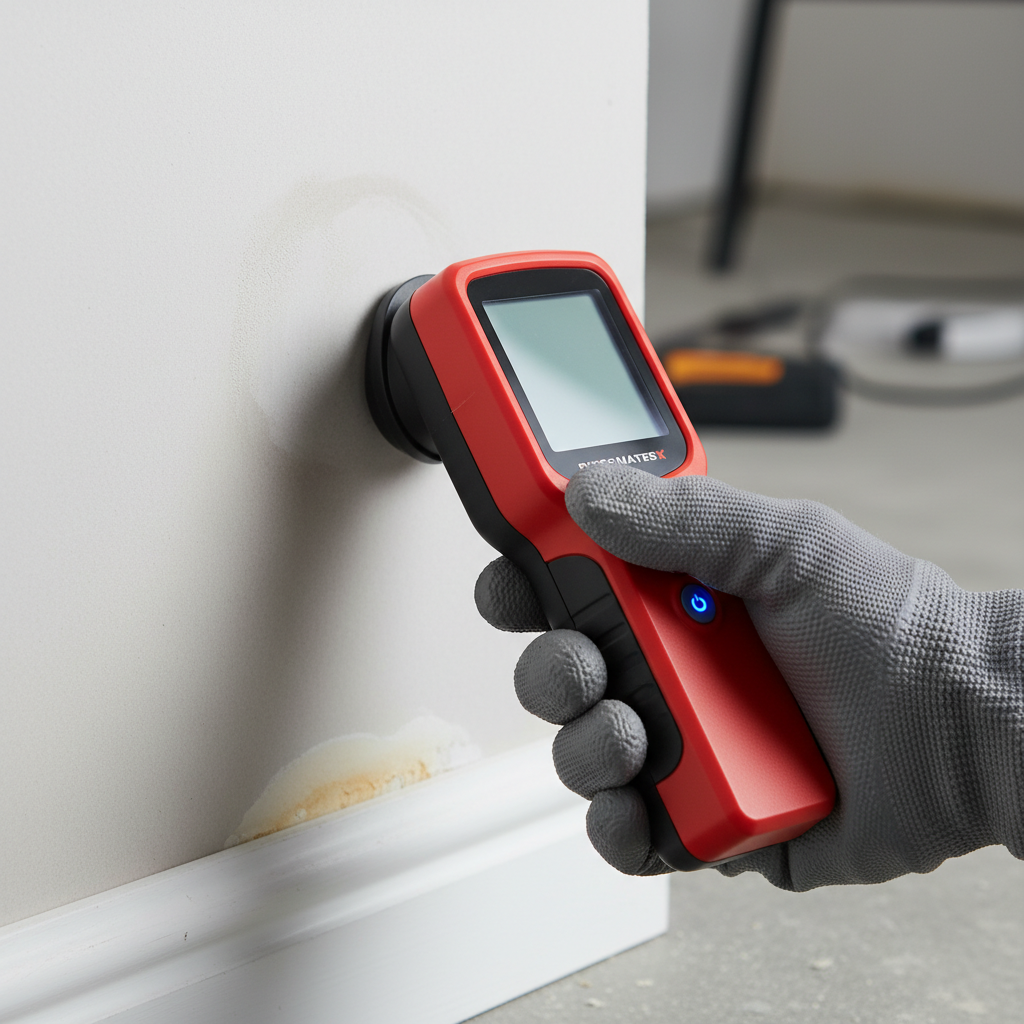
- Moisture mapping: Non-invasive meters identify elevated readings in drywall, baseboards, sill plates, and subfloors. Thermal imaging highlights cold, damp anomalies.
- Sampling (as needed): Air cassettes or surface tape-lifts/swabs help verify growth types or hidden reservoirs. Not every job needs lab testing.
- Reporting: You receive a photo log, moisture readings, and prioritized recommendations—from immediate safety measures to long-term fixes.
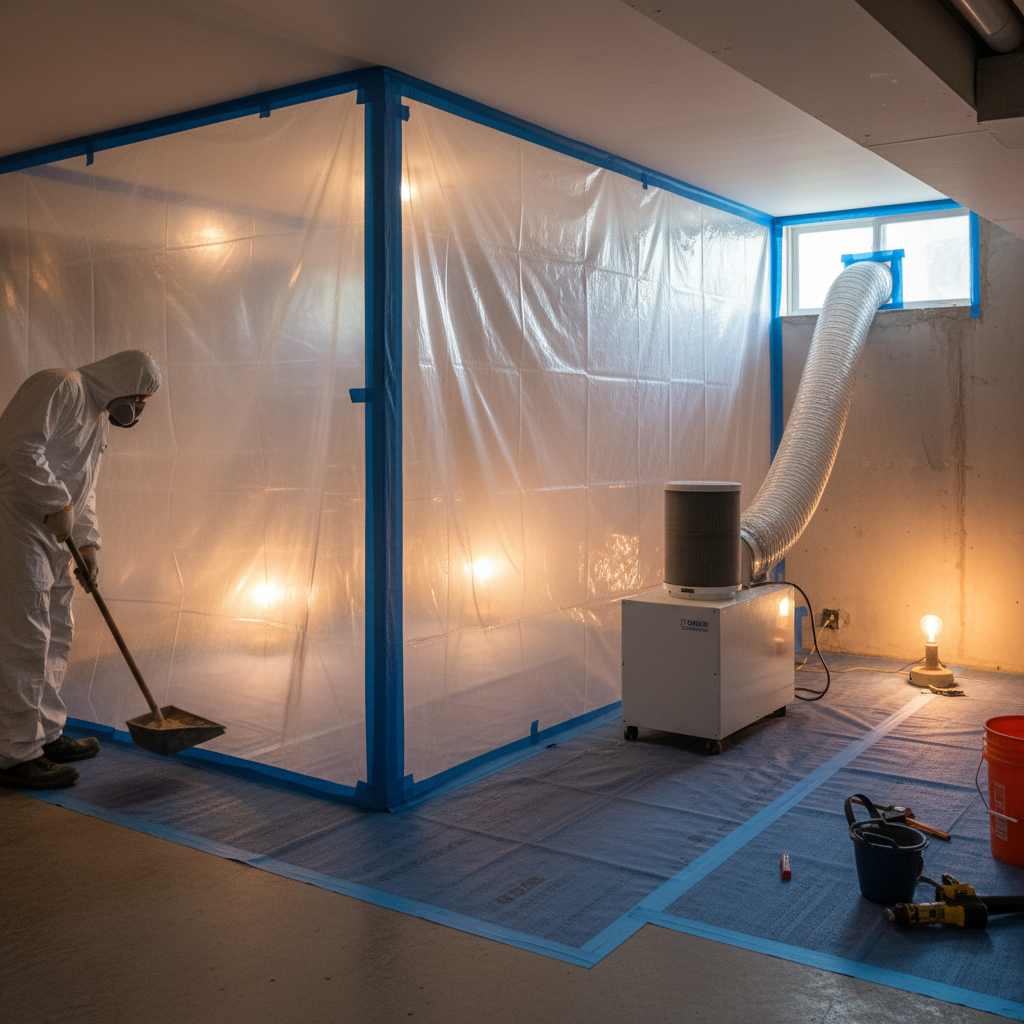
- Remediation plan: If removal is required, we outline containment, negative air setup, HEPA vacuuming, source removal, eco-friendly antimicrobial application, and clearance criteria.
- Prevention roadmap: Ventilation balancing, insulation repair, vapor barrier improvements, and dehumidification targets keep spaces dry.
When remediation is completed by ASM Mold Removal Inc., we back the work with a Mold Remediation Warranty Certificate after inspection—giving you and your stakeholders confidence that treated areas are free from active mold.
Inspection Methods and Sampling Options
Effective mold inspections blend visual assessment with instruments: moisture meters, thermal imaging, and selective sampling. Air samples profile airborne spores; surface samples confirm visible growth. Moisture mapping ties findings to sources so remediation can remove mold and correct conditions driving it.
Core methods we use
- Visual and odor assessment: Stains, efflorescence, peeling paint, and earthy smells guide targeted testing.
- Moisture meters: Pin and pinless readings show if materials are wet or trending dry after a leak.
- Thermal imaging: Locates cold spots from air leaks or hidden damp insulation without opening walls.
- Air sampling: Calibrated pumps with spore traps capture indoor/outdoor comparisons; analyzed by an accredited lab.
- Surface sampling: Tape-lifts or swabs from suspect areas confirm whether discoloration is mold and, if so, which genera were present.
- HVAC inspection: Checks for contaminated coils, pans, or duct interiors that spread spores and odors.
When sampling makes sense
- Hidden growth is suspected but not visible.
- Medical or legal documentation is required.
- Return-to-occupancy decisions demand data.
- Clearance verification after remediation.
Sampling is a tool—not the inspection itself. The most useful result is a plan that eliminates both the mold and the moisture that feeds it.
Best Practices for Owners, Buyers, and Facility Managers
Treat mold as a moisture problem first. Document leaks, keep indoor humidity near 30–50%, and schedule a professional inspection before closing or renovating. Insist on containment, HEPA filtration, and source removal over “spray-and-pray” approaches that don’t fix root causes.
Simple habits that prevent problems
- Run bathroom fans 20–30 minutes after showers; vent outside, not into the attic.
- Use a dehumidifier in basements during humid months; target 30–50% RH.
- Replace compromised attic insulation after leaks or ice damming events.
- Keep downspouts extended; grade soil so water flows away from the foundation.
- Change HVAC filters regularly and check for condensation on supply lines.
Transaction-proofing tips
- Get a written inspection report with photos and moisture readings.
- Request a detailed remediation scope if needed—containment, negative air, and PPE should be explicit.
- Confirm post-remediation verification steps and warranty documentation.
- For due diligence context, see this practical real estate checklist to organize documents.
Local considerations for Scarborough
- Transit and traffic near Lawrence East can affect daytime access windows; we coordinate arrivals and negative-air venting accordingly.
- Spring thaws and late-summer humidity raise basement RH; plan dehumidification and sump checks ahead of those swings.
- Quiet hours around the Toronto Public Library - McGregor Park Branch are respected during commercial work nearby to minimize disruption.
Attics, Basements, Crawl Spaces, and HVAC: What to Watch
Attics show mold from roof leaks, ice damming, and blocked vents. Basements struggle with seepage and high humidity. Crawl spaces need vapor control. HVAC systems can distribute spores if drains or coils are dirty. Each area benefits from targeted inspection and prevention.
Attics (our specialty)
- Look for sheathing discoloration, rusty nails, and frost signs in winter.
- Balance soffit and ridge ventilation; never vent bathrooms into the attic.
- After leaks, pair sheathing treatment with attic insulation removal and proper air sealing.
Basements
- Monitor corners, cold joints, and behind stored items for condensation or seepage.
- Use dehumidification and address exterior grading/gutters to reduce water entry.
- Remediate damaged drywall and treat framing to prevent regrowth.
Crawl spaces
- Install ground vapor barriers and ensure perimeter vents or conditioned encapsulation.
- Insulate rim joists and seal penetrations to cut humid air movement.
HVAC systems
- Keep condensate pans clean and flowing; replace clogged filters on schedule.
- Inspect coils and consider duct cleaning when contamination is present.
If you’re seeing bathroom spotting, this overview of common bathroom mold causes helps you address ventilation and moisture behavior before it spreads.
Process and Method Comparison
Choose methods that answer the right question. Use air sampling to evaluate airborne exposure and clearance, surface sampling to confirm visible growth, moisture mapping to find sources, and thermal imaging to reveal hidden dampness. Combined, they produce a reliable remediation plan.
| Method | Best for | Limitations | Typical use in workflow |
|---|---|---|---|
| Air sampling | Airborne profile; clearance checks | Snapshot in time; influenced by activity and weather | Baseline vs. outdoor; post-remediation verification |
| Surface sampling | Confirming visible growth; material ID | Small area; doesn’t quantify room air exposure | Targeted confirmation; legal/medical documentation |
| Moisture mapping | Finding sources (leaks, seepage, condensation) | Requires context; readings vary by material | Guides opening walls; prioritizes repairs |
| Thermal imaging | Hidden dampness and insulation failures | Interprets temperature differences; needs validation | Non-invasive screening before sampling |
Tools and Resources We Rely On
Professional inspections use calibrated instruments, safe work controls, and eco-friendly treatments. Moisture meters, hygrometers, thermal cameras, HEPA vacuums, negative-air machines, and EPA-approved antimicrobials enable accurate diagnostics and safe remediation with minimal disruption.
Diagnostic equipment
- Pin/pinless moisture meters to assess drywall, wood framing, subfloors, and baseboards.
- Infrared thermal cameras to screen for cold, damp anomalies before opening walls.
- Hygrometers and data loggers to track RH and temperature trends.
- Calibrated pumps and cassettes for indoor/outdoor air sampling comparisons.
Containment and remediation controls
- 6-mil poly containment with zipper access; pressure monitoring for negative air.
- HEPA air filtration devices ducted safely to the exterior.
- HEPA vacuuming, source removal, and eco-friendly antimicrobial application.
- PPE for technicians: respirators, coveralls, eye/hand protection.
Explore who we are and how we work on our About page, or book an inspection—we’re based in Scarborough and serve the entire Ontario region with rapid response.
Documentation Buyers, Sellers, and Agents Actually Use
Strong documentation moves transactions forward. Clear photos, moisture readings, lab results (when applicable), and a defined remediation scope reduce uncertainty. A post-project warranty certificate provides assurance that treated areas are free from active mold.
- Inspection report: Photos, annotated moisture map, observations by area, and immediate safety notes.
- Sampling results: Accredited lab findings when air or surface tests are required.
- Remediation scope: Containment, negative air, source removal, and verification steps.
- Warranty documentation: Our Mold Remediation Warranty Certificate after completion and inspection.
- For organizing your file, this home insurance checklist can help you align policy records with inspection evidence.
Case Studies and Field Examples (Ontario)
Real homes and facilities across Ontario face similar moisture patterns. These brief cases show how a precise inspection leads to faster, lasting fixes—especially in attics, basements, crawl spaces, and mixed-use buildings where ventilation and drainage interact.
1) Scarborough attic: bath fan into the soffit
- Finding: Winter spotting on north-facing sheathing; bath fan discharging into soffit cavity.
- Inspection tools: Thermal imaging showed cold, damp zones; pin meter confirmed elevated wood moisture.
- Action: Remediated sheathing under containment, rerouted vent outdoors, restored insulation, balanced soffit/ridge venting.
- Outcome: No recurrence through two seasonal cycles; humidity maintained at 40–45% in winter.
2) Toronto basement: seepage after thaw
- Finding: Efflorescence and musty odor behind storage racks along foundation wall.
- Inspection tools: Moisture mapping isolated a wet track near a downspout termination.
- Action: Exterior grading and downspout extension, selective drywall removal, HEPA vacuuming, antimicrobial treatment, targeted dehumidification.
- Outcome: RH stabilized at 45–50% in summer; no visible regrowth.
3) Retail unit near Lawrence East: HVAC condensate
- Finding: Condensate pan overflow caused ceiling tile spotting and odor after-hours.
- Inspection tools: Visual check and moisture meter confirmed localized dampness.
- Action: Cleaned and treated affected area under containment, corrected drain slope, implemented maintenance schedule.
- Outcome: No odor within 48 hours; maintenance logs added to tenant file.
4) Crawl space in a lakeside cottage
- Finding: High seasonal humidity and uncovered soil driving musty odor into the living room.
- Inspection tools: Hygrometer logging showed RH above 60% on warm days.
- Action: Installed ground vapor barrier, air sealed rim joists, and added smart ventilation timing.
- Outcome: Odor eliminated; wood moisture decreased to normal equilibrium range.
When to Call ASM Mold Removal Inc.
Call when you see staining, smell earthy odors, or after any leak or flood. If you’re buying or selling, schedule an inspection before conditions of sale. For urgent issues, our Ontario same-day response gets containment and drying started immediately.
- Visible spotting in bathrooms, attics, or basement corners
- Recent roof leak, plumbing failure, or foundation seepage
- Persistent humidity above 55% RH indoors
- Health complaints tied to a specific room or season
Ready to get answers? Start at our homepage or contact our team for Ontario-wide scheduling from our Scarborough base.
Free Inspection & Same-Day Help (Soft CTA)
Need clarity now? Book a free inspection and moisture assessment. We’ll document what’s happening, why it’s happening, and how to fix it—then back the work with a post-project warranty certificate after inspection.
Next step: Share a few details about what you’re seeing, where, and when it started. We’ll align inspection timing with your real estate deadlines—or stabilize urgent situations the same day.
Frequently Asked Questions
These concise answers address the most common questions homeowners, buyers, and property managers ask us before booking a mold inspection in Ontario.
Do all mold inspections require air testing?
No. Many inspections do not need air testing. If mold is visible and the moisture source is clear, we focus on safe removal and fixing the cause. Air sampling is helpful for hidden growth, medical or legal documentation, or post-remediation clearance.
How long does a professional mold inspection take?
Most homes take 60–120 minutes, depending on size and complexity. Properties with attics, crawl spaces, or recent leaks may take longer. If lab samples are collected, results typically follow within a few business days.
What should I do before the inspector arrives?
Clear access to attics, basements, mechanical rooms, and under sinks. Note recent leaks or odors and whether they change with weather or HVAC use. If possible, avoid heavy cleaning the day of the visit so we can see true conditions.
Will remediation disrupt my household or business?
We set up containment and negative air to isolate work areas, allowing most normal activity to continue nearby. For commercial projects, we coordinate after-hours and phase work to minimize downtime and maintain discretion.
Do you provide documentation for real estate transactions?
Yes. We provide inspection reports with photos, moisture readings, and, when applicable, lab results. If remediation is performed, we supply a Mold Remediation Warranty Certificate after completion and inspection for added assurance.
Key Takeaways and Next Steps
A quality mold inspection finds growth, tracks moisture, and delivers a fix that lasts. Pair diagnostics with prevention—ventilation, humidity control, and repairs—to protect health and property value. When you’re ready, ASM Mold Removal Inc. can inspect and remediate across Ontario.
- Mold is a moisture problem first—control humidity and repair leaks.
- Combine moisture mapping, thermal imaging, and targeted sampling as needed.
- Insist on containment, HEPA filtration, and documented verification.
- Protect transactions with clear reports and a post-project warranty.
- For household planning, this bathroom mold primer and a solid insurance checklist can help you stay organized.
Ready to schedule? Visit ASM Mold Removal Inc. or contact us to book a free inspection. Prefer to learn more about our team and methods first? See our About page.