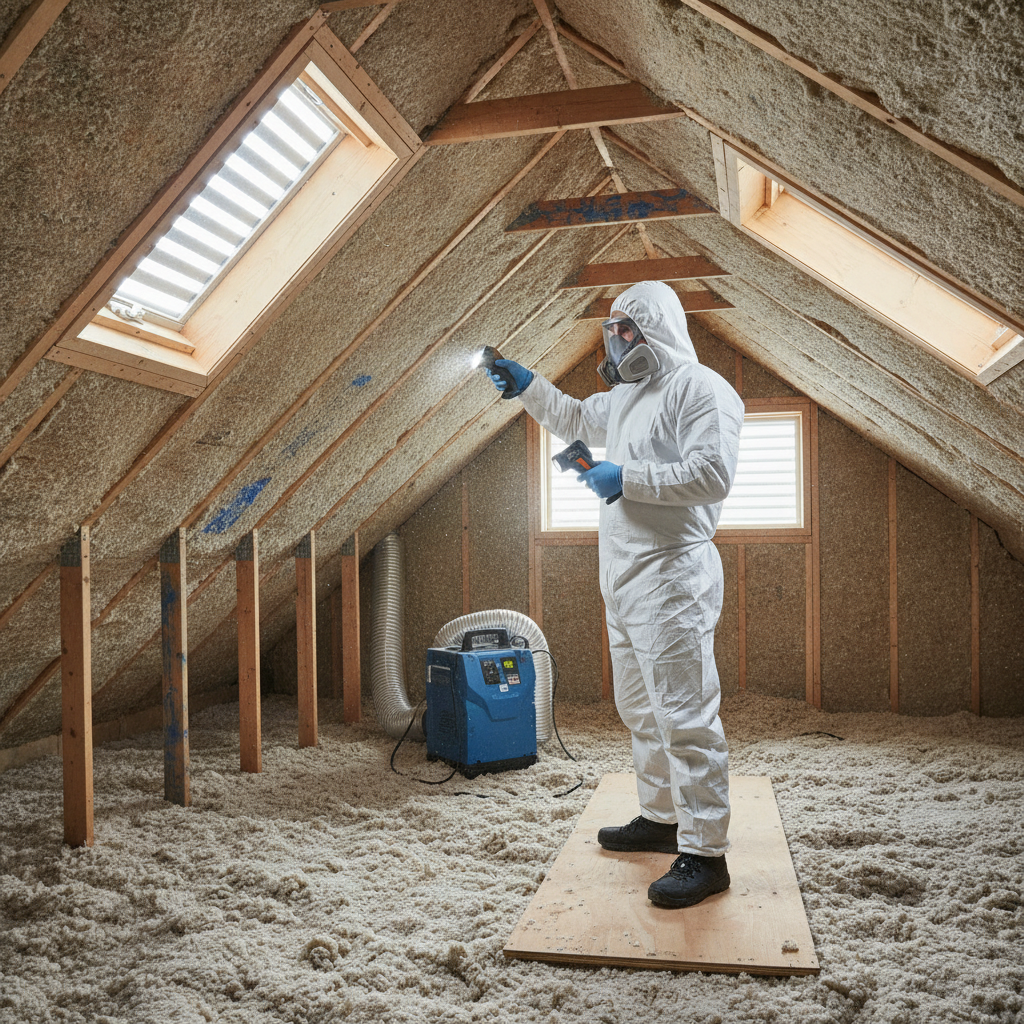
Mold inspection services are the professional assessment, testing, and documentation used to find hidden mold and the moisture that feeds it. Early inspections prevent spread, protect health, and guide safe remediation. From our Scarborough hub at 1225 Kennedy Rd, ASM Mold Removal Inc. delivers Ontario-wide, same-day inspections when you need answers fast.
By Amardeep Mamidi — ASM Mold Removal Inc.
Last updated: 2026-06-19
Overview and table of contents
This complete guide explains what mold inspections include, why timing matters, how professionals test, and the standards we follow across Ontario. You’ll see methods, tools, best practices, local Scarborough considerations, and case studies—so you know exactly when to book an inspection and how to prepare.
Here’s what you’ll learn and how to use this page quickly. Skim the bullets, then jump to the section you need most.
- What a professional inspection covers, from intake to final report
- When to request testing vs. when visual and moisture evidence is enough
- How attic, basement, crawl space, and HVAC issues are diagnosed
- Best practices for Ontario seasons and Scarborough neighborhoods
- Tools, PPE, and controls used to keep occupants safe
- Real examples from homes and workplaces, plus next steps
What is mold inspection?
A mold inspection is a structured building evaluation that identifies visible growth, hidden moisture, and spore presence. Inspectors combine visual surveys, moisture mapping, and targeted sampling to confirm conditions, then deliver a written plan for safe remediation and long‑term prevention.
At ASM Mold Removal Inc., mold inspection services clarify three essentials: what’s present, why it formed, and how to fix and prevent it. That requires building science plus, when indicated, lab confirmation.
- Scope areas: attics, basements, crawl spaces, living rooms, bathrooms, kitchens, utility rooms, and HVAC supply/return lines.
- Inputs gathered: water events, roof issues, pipe leaks, odors, condensation cycles, thermostat and ventilation habits.
- Deliverables: findings report, annotated photos, moisture map, and an action plan aligned to current remediation standards.
Because moisture drives mold, every meaningful inspection pairs surface observations with readings that distinguish active wetting from old staining. When that foundation is solid, testing becomes strategic, not automatic.
Local considerations for Scarborough
- Freeze–thaw cycles can push meltwater into attics and eaves, so spring attic ventilation checks and insulation reviews are vital.
- Summer humidity spikes raise indoor moisture; keep basements near 40–50% RH and run bath/kitchen exhausts to the outdoors.
- For real estate timelines, same‑day reporting helps buyers and sellers meet conditional deadlines with clear documentation.
Why mold inspection services matter
Timely, evidence‑based inspections reduce exposure, limit structural damage, and compress project timelines. By pinpointing moisture and defining the work area early, remediation is cleaner, faster, and safer—often preventing secondary contamination to adjacent rooms or HVAC.
Here’s the thing: small issues expand quickly when moisture stays active. We’ve seen minor attic patches turn into large sheathing replacements when drivers go unchecked. A focused inspection narrows the work zone and protects your schedule.
- Health lens: Damp indoor environments are associated with respiratory symptoms in sensitive individuals. Reducing dampness reduces risk.
- Building durability: Elevated drywall moisture (often above ~16% MC) and chronic high RH degrade paper facings, insulation, and wood framing.
- Documentation: Clear inspection records streamline conversations with property managers, insurers, and real estate stakeholders.
- Prevention payoff: When root causes are fixed, recurrence drops—especially with ventilation, drainage, and dehumidification dialed in.
Most problems follow a simple arc: water entry + time = microbial growth. Interrupt that arc with early inspections and you avoid costly tear‑outs later.
How a professional inspection works
A professional inspection follows a repeatable sequence: intake, exterior and interior review, moisture mapping with instruments, targeted sampling when indicated, same‑day briefing, and a written report with photos and a remediation plan. Consistency ensures reliable decisions and faster action.
Our team standardizes every visit so you know what to expect and what the findings mean for next steps.
- Client intake and goals: note symptoms, odors, known water events, access constraints, and urgency. We confirm who needs documentation (homeowner, buyer, seller, property manager).
- Exterior review: scan roof, grading, downspouts, penetrations, and siding for water entry risks that often correlate with interior findings.
- Interior walkthrough: inspect ceilings, corners, baseboards, and plumbing chases for staining, sagging, efflorescence, or musty odors.
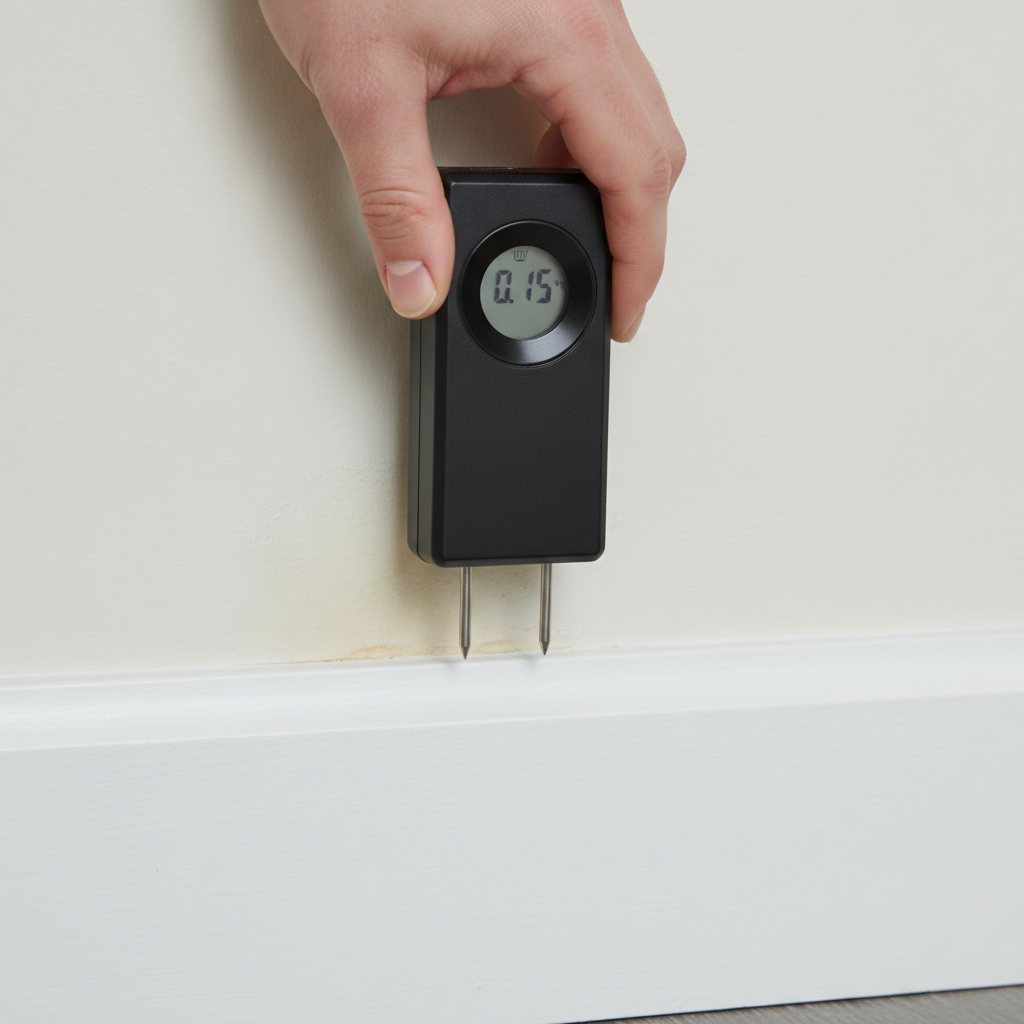
- Moisture mapping: use pin/pinless meters and IR thermal imaging to discover hidden wet spots behind drywall or under insulation.
- Sampling (if indicated): collect air, surface, or cavity samples to confirm genera and airborne load when the scope requires it.
- Immediate guidance: same‑day talking points cover safety, containment needs, and any urgent drying or shut‑off steps.
- Report and plan: you receive photos, moisture readings, and a stepwise remediation and prevention outline tailored to the space.
Prefer to talk it through? Our contact team can walk you through the process in five minutes and schedule same‑day inspections across Ontario.
Inspection and testing methods
Inspectors blend non‑invasive diagnostics with selective sampling. Visual surveys and moisture meters map conditions, while air, surface, and cavity samples confirm what’s present. The goal is to validate remediation scope—not to over‑test when visual and moisture evidence already define the problem.
Common diagnostic tools
- Thermal imaging (IR): reveals temperature anomalies that align with wet insulation, roof leaks, or pipe sweats.
- Moisture meters: quantify material moisture content to separate active wetting from historical staining.
- Hygrometers: track ambient relative humidity and dew point, guiding dehumidification and ventilation advice.
- Borescopes: peek inside cavities with minimal disturbance when odors persist but surfaces look clean.
Sampling approaches
- Air sampling: measures airborne spore types and quantities indoors against outdoor baselines to gauge exposure context.
- Surface sampling: tape or swab confirms whether visible growth is mold and identifies common genera on that surface.
- Wall‑cavity sampling: used when musty odors and wet readings suggest concealed growth behind drywall or paneling.
| Method | Best for | Strengths | Considerations |
|---|---|---|---|
| Visual + Moisture | Most residential cases | Fast; low disruption | Doesn’t name species |
| Air Samples | Exposure context | Shows airborne load | Snapshot in time |
| Surface Swab/Tape | Visible growth | Species ID | Local to spot |
| Cavity Air | Hidden odor/wet areas | Confirms concealed issues | Needs access point |
Moisture content (MC) is central. Resources on MC thresholds explain why keeping drywall and framing below risk levels matters. For foundational detail, see moisture content analysis basics and this overview of MC determination from third‑party labs.
Best practices for Ontario properties
In Scarborough and the broader ON region, combine seasonal maintenance with prompt inspections after water events. Prioritize attic ventilation checks, basement humidity control, and quick drying after leaks. Choose certified, insured professionals who document findings and outline prevention steps.
We follow current remediation protocols that emphasize source control and occupant protection. Here’s how that translates into everyday decisions for Ontario homes and workplaces.
- After storms and thaws: inspect attics and upper walls for roof or flashing leaks; verify bath fans vent outdoors.
- Control humidity: keep basements near 40–50% RH; run dehumidifiers continuously during humid months.
- Ventilation: consider attic baffles and air sealing; improve make‑up air where needed.
- Rapid drying: dry wet materials within 24–48 hours to disrupt the growth cycle.
- HVAC hygiene: clean returns and manage condensate to prevent microbial reservoirs.
If your property experienced a recent leak or flooding, don’t wait. Booking an inspection early keeps the remediation footprint—and downtime—smaller. Start at our homepage or learn about our team on the About page.
Tools, PPE, and on‑site controls
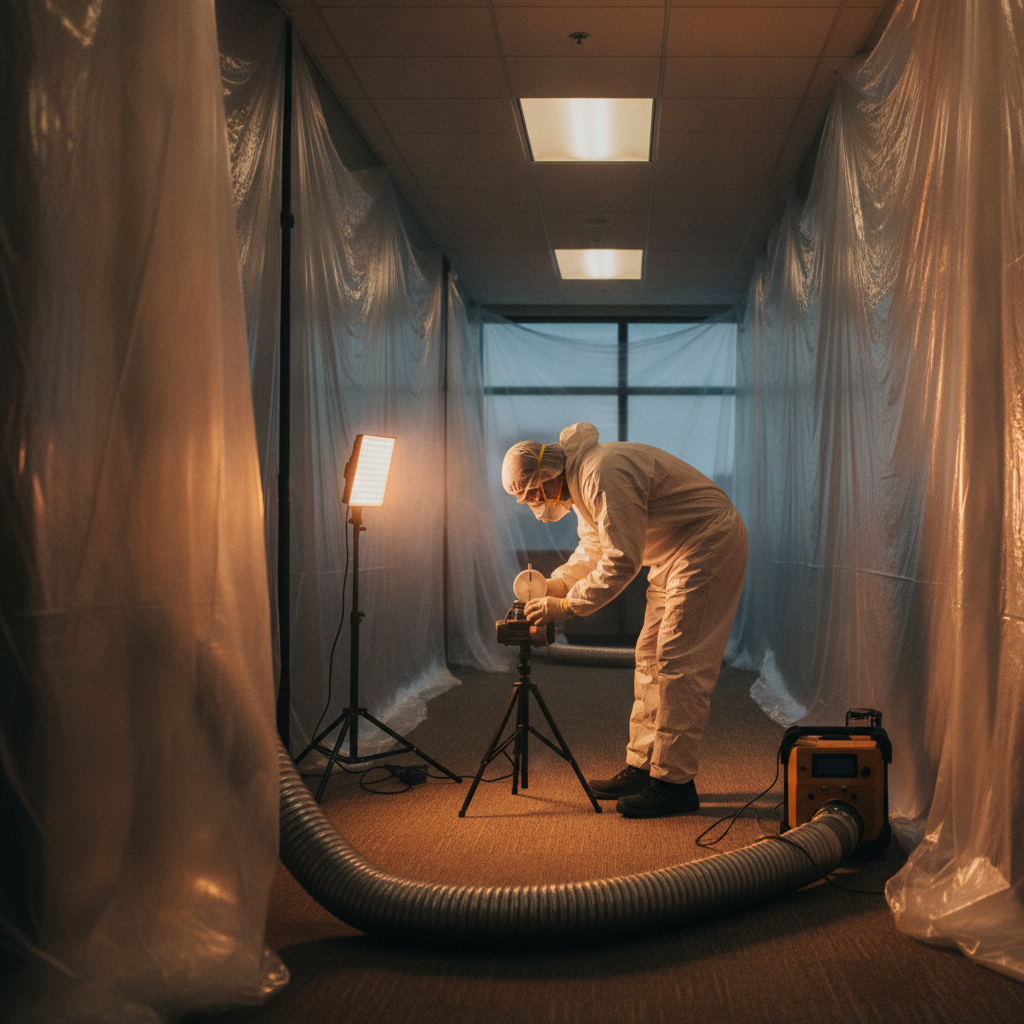
Effective inspections rely on calibrated instruments and protective controls. Expect pros to use thermal cameras, moisture meters, hygrometers, and—during remediation planning—containment materials, HEPA air filtration, and negative air machines to protect clean spaces while work proceeds.
- Instruments: IR camera, pin/pinless moisture meter, hygrometer, borescope.
- PPE: respirators with appropriate cartridges, nitrile gloves, and disposable suits when disturbance is likely.
- Controls: plastic sheeting, zipper walls, HEPA scrubbers, and negative air to isolate work areas and reduce cross‑contamination.
Choosing a provider who can move from inspection to remediation seamlessly saves time. Our team pairs inspection findings with containment design, HEPA filtration plans, and eco‑friendly, EPA‑approved antimicrobial treatments for targeted cleanup.
Need a same‑day inspection?
If you’re seeing stains, smelling musty odors, or dealing with a recent leak, schedule a professional inspection now. ASM Mold Removal Inc. offers Ontario‑wide, same‑day bookings and clear, actionable reports to start remediation fast and safely.
We’ll help you prioritize drying, decide whether testing is warranted, and map a prevention plan. Start here: Book an inspection.
Case studies and real‑world examples
Real projects show how fast, evidence‑based inspections prevent bigger problems. These brief examples from homes and workplaces illustrate moisture sources, findings, and outcomes—plus how same‑day action cut disruption and kept areas open safely.
Attic mold after winter
- Setting: Scarborough bungalow with musty bedroom odor after a cold snap.
- Finding: Thermal imaging showed cold sheathing lines; pin meter confirmed elevated readings near eaves.
- Action: Ventilation improvement, soffit clearance, and targeted remediation under containment with HEPA.
- Outcome: Clearance achieved; prevention plan added baffles and strategic air sealing.
Basement humidity, no visible growth
- Setting: Finished basement; dehumidifier was off for weeks during humid weather.
- Finding: RH elevated; baseboards damp; air sample showed higher indoor spores versus outdoor baseline.
- Action: Drying, HEPA vacuuming, and a cleaning protocol; continuous RH control guidance.
- Outcome: Follow‑up inspection confirmed normal indoor‑to‑outdoor ratios.
Office return plenum dust
- Setting: Open‑plan office with intermittent odors during peak occupancy.
- Finding: Dust accumulation in returns; no active wetting detected.
- Action: HVAC cleaning and filter upgrades; targeted surface sampling to rule out growth.
- Outcome: Odors resolved and particle counts declined.
In our experience, the best outcomes come from quick decisions: verify moisture, define containment, stabilize humidity, then remove affected materials or clean to standard. Each day saved up front reduces disruption later.
Planning, preparation, and what to expect
Good prep makes inspections smoother and clearer. Provide access, share water‑event dates, and keep HVAC running normally. Expect 60–120 minutes on site for typical homes, plus added time if sampling is indicated or multiple concealed areas require investigation.
- Access: clear routes to the attic hatch, crawl space entry, utility rooms, and under sinks.
- History: note when odors occur (time of day or weather) and any past leaks or floods.
- Pets and occupants: plan temporary relocation if containment will be set up immediately after.
| Before we arrive | During inspection | After inspection |
|---|---|---|
| Clear access points; list water events | Visual survey + moisture mapping | Verbal briefing the same day |
| Keep HVAC operating normally | Selective sampling if indicated | Written report with photos |
| Secure pets/fragile items | Immediate safety guidance | Remediation and prevention plan |
If you’re in a real estate window, tell us your deadline at booking. We prioritize conditional timelines and provide the documentation agents and buyers need.
Standards, readings, and proof points
Clear, repeatable measurements build trust. Moisture readings, RH logs, and photographic evidence show why remediation is needed and when a space returns to normal conditions. Independent lab reports, when used, add species and load context.
For deeper background on moisture science, third‑party labs outline MC thresholds and methods. See this TGA analysis explainer for how moisture content is determined and why dry materials resist future growth.
- Moisture content (MC): elevated MC in drywall or framing correlates with risk; sustained dry states reduce recurrence.
- Relative humidity (RH): keep occupied areas below ~50% RH during humid months; basements benefit from continuous control.
- Photo documentation: before/after images and meter readings make progress visible and verifiable.
When needed, we perform clearance verification after remediation to confirm cleanliness and normal moisture conditions before dismantling containment.
Key takeaways
Book inspections early, focus on moisture first, and use testing strategically. Pair readings and photos with a clear plan, then control humidity long‑term. The result is safer spaces, less disruption, and stronger real estate or facilities documentation.
- Early inspections shrink the remediation footprint and timeline.
- Moisture mapping is more important than sampling in many cases.
- Keep basements near 40–50% RH and vent baths/kitchens outdoors.
- Choose certified, insured teams who document everything.
Frequently Asked Questions
These quick answers cover timing, testing choices, preparation steps, and what happens after results. They’re written for homeowners, buyers, sellers, and facility managers who need clear, direct guidance.
Do I always need lab testing during an inspection?
Not always. When moisture mapping and visible growth already define the scope, a professional can proceed to remediation planning. Testing is useful for hidden issues, clearance documentation, or when occupants need species identification.
How should I prepare for a mold inspection?
Clear access to attics, basements, utility rooms, and under sinks. List any water events or odors you’ve noticed and when they occur. If possible, keep HVAC running normally so air samples reflect typical conditions.
How long does a typical inspection take?
Many residential inspections take 60–120 minutes on site, depending on access and the number of areas to assess. Sampling, if indicated, adds time. Reports with photos and moisture readings follow, along with a remediation and prevention plan.
What happens after the inspection?
You receive a findings summary with photos and moisture readings, plus a recommended remediation and prevention plan. If sampling was performed, lab results are added. You can then schedule remediation and, later, clearance verification.
Conclusion: Your next right step
If you see stains, smell musty odors, or had a recent leak, schedule professional mold inspection services now. Fast, documented findings protect health, limit damage, and set a clear path to remediation and prevention—especially in Ontario’s variable climate.
You might be wondering whether to wait for “more signs.” Don’t. The best time to act is when moisture is freshest and the work zone is smallest. Explore our approach on the About page or book a same‑day inspection now.