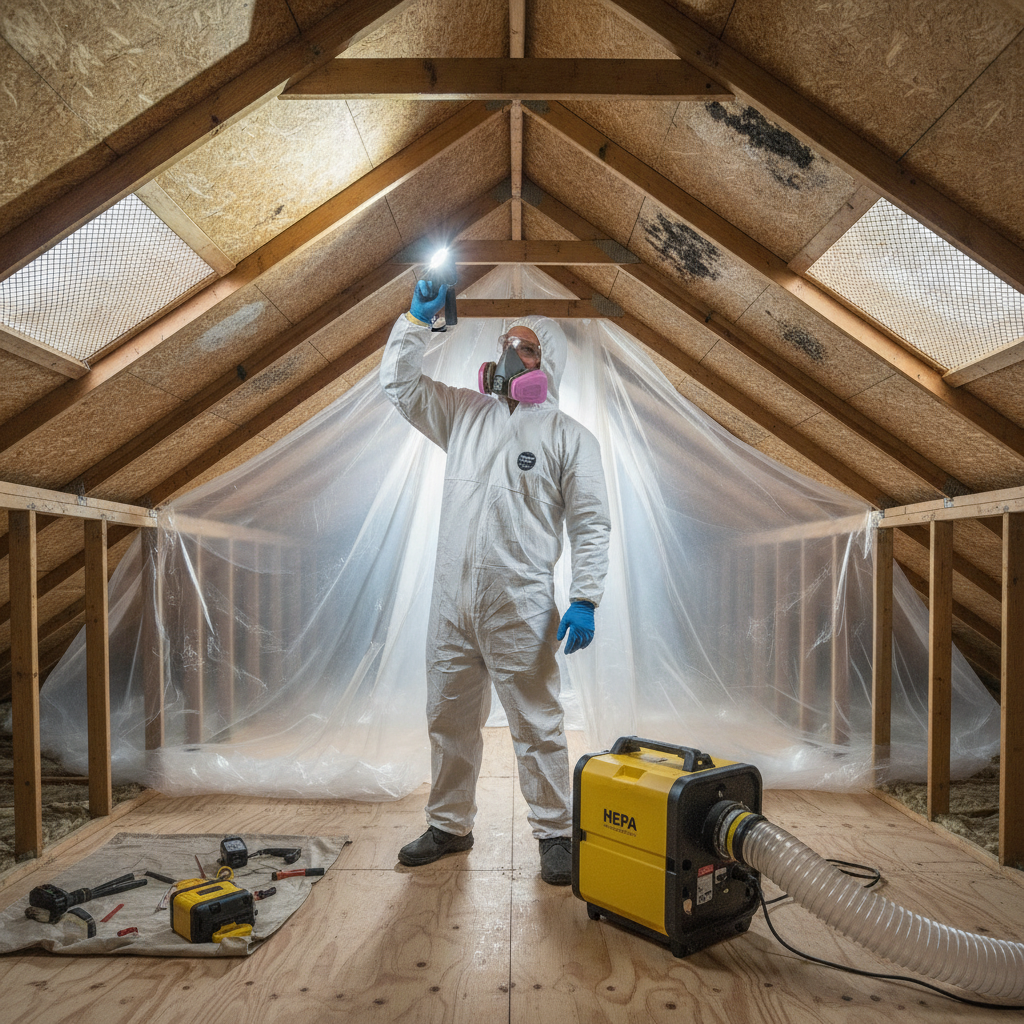
A mold inspection company is a certified service that assesses buildings for moisture problems and mold growth, then documents findings and next steps. It includes visual checks, moisture readings, and sampling when needed. For Scarborough homes and businesses, timely inspections prevent damage, protect health, and inform fast, warranty-backed remediation.
By ASM Mold Removal Inc. • Last updated: 2026-06-25
Quick Summary
Hire a mold inspection company when you notice musty odors, stains, leaks, or after water damage. Expect a structured process: intake, on-site assessment, moisture mapping, sampling (if needed), and a clear report with remediation actions. In Scarborough, choose certified pros who provide documentation and prevention planning.
This complete guide shows you how reputable inspectors work, what to expect on site, and how to compare providers. You’ll learn the steps, tools, standards, documentation, and red flags—plus localized tips for Scarborough properties.
- Understand what professional mold inspection includes and why it matters
- Follow a proven step-by-step workflow from first call to final report
- Compare inspection and testing methods, with plain-language pros and cons
- See real Scarborough examples across attics, basements, and clinics
- Use actionable checklists to vet any mold inspection company
Above-the-Fold: Hook & Table of Contents
If you’re dealing with leaks, odors, or roof issues, start with a qualified mold inspection. Use this table of contents to jump to definitions, methods, best practices, tools, case studies, and FAQs. Each section stands alone with step-by-step actions you can apply immediately.
- What Is a Mold Inspection Company?
- Why Mold Inspection Matters
- How Mold Inspection Works
- Types and Methods
- Attic-Focused Inspections
- Commercial & Real Estate Inspections
- Best Practices
- Tools and Resources
- Case Studies
- Pricing (What Influences Quotes)
- How to Choose a Mold Inspection Company
- Pre-Inspection Prep Checklist
- Post-Inspection Next Steps
- Get a Same-Day Assessment
- Frequently Asked Questions
- Conclusion & Next Steps
- Key Takeaways
What Is a Mold Inspection Company?
A mold inspection company evaluates buildings for moisture and microbial growth using visual assessment, moisture meters, thermal imaging, and targeted sampling. The outcome is a written report with findings, lab-backed results (if sampled), and a remediation plan that prioritizes safety, containment, and long-term prevention.
In practice, “mold inspection” is a structured building-health evaluation. It connects symptoms you notice—musty odors, staining, condensation—to root causes like roof leaks, poor ventilation, or plumbing failures. Inspectors document locations, severity, probable causes, risk to occupants, and the urgency of action. When sampling is justified, accredited labs analyze indoor air or surfaces to identify spore types and relative concentrations, and those results are interpreted alongside moisture data and visual findings.
- Core deliverables: photo documentation, a moisture map, meter readings, and a narrative report with clear next steps.
- When to sample: unclear sources, health complaints, documentation for transactions, legal needs, or post-remediation verification.
- Where issues hide: attics, basements, crawl spaces, bathrooms, around windows, behind baseboards, and near prior water events.
- Timing matters: mold can begin to colonize wet materials within 24–48 hours if conditions stay favorable.
ASM Mold Removal Inc. serves homeowners, buyers, sellers, property managers, and commercial operators across Ontario with end-to-end support—free inspections and moisture assessments, clear scopes for remediation, and prevention plans that keep relative humidity under control and ventilation working as designed.
Why Mold Inspection Matters
Early inspections reduce health risk, structural decay, and disruption. Mold thrives where relative humidity exceeds roughly 60% and materials remain damp. A documented inspection speeds insurance decisions, real estate timelines, and remediation readiness, converting guesswork into prioritized actions.
Unchecked moisture drives recurring mold, odors, material deterioration, and indoor air quality complaints. In Scarborough’s climate, seasonal swings and storm-driven leaks can push attics and basements into the danger zone quickly. A timely inspection validates concerns, identifies sources, and sequences fixes so you don’t waste effort or time.
- Faster containment: Locating sources early limits spread and shortens remediation windows.
- Health clarity: An inspection correlates occupant symptoms with building conditions without speculation.
- Repair roadmap: Findings prioritize roof, plumbing, drainage, and ventilation fixes in the right order.
- Transaction-ready: Buyers and sellers use reports to negotiate and close with confidence.
- Documentation benefit: Reports, photos, and lab data support insurance and warranty processes.
Local considerations for Scarborough
- Freeze–thaw cycles can open gaps at roofs and eaves. Schedule attic checks after major storms or rapid temperature swings.
- Spring snowmelt and heavy rains raise basement humidity. Keep indoor RH under 60% with dehumidifiers and ventilation.
- High-occupancy homes benefit from bath fan timer switches and attic ventilation reviews to limit condensation.
How Mold Inspection Works
A best-practice inspection follows five steps: intake, on-site walkthrough, moisture mapping, targeted sampling (if justified), and a written report. Expect roughly 1–3 hours on site for a typical home, with lab results in 1–3 business days when samples are taken.
- Intake & history (10–20 minutes): Leak history, odors, symptoms, and renovation notes establish context.
- Exterior-to-interior walkthrough (30–60 minutes): Start outside (grading, gutters, roof), then inside (attic, baths, kitchen, basement/crawl).
- Moisture mapping (20–40 minutes): Pin/pinless meters, thermal imaging, and hygrometers locate wet zones and quantify risk.
- Sampling when indicated (10–30 minutes): Air cassettes and surface lifts confirm and quantify, with chain-of-custody to an accredited lab.
- Report & scope (same/next day): Photo log, readings, lab results, and prioritized remediation recommendations with prevention steps.
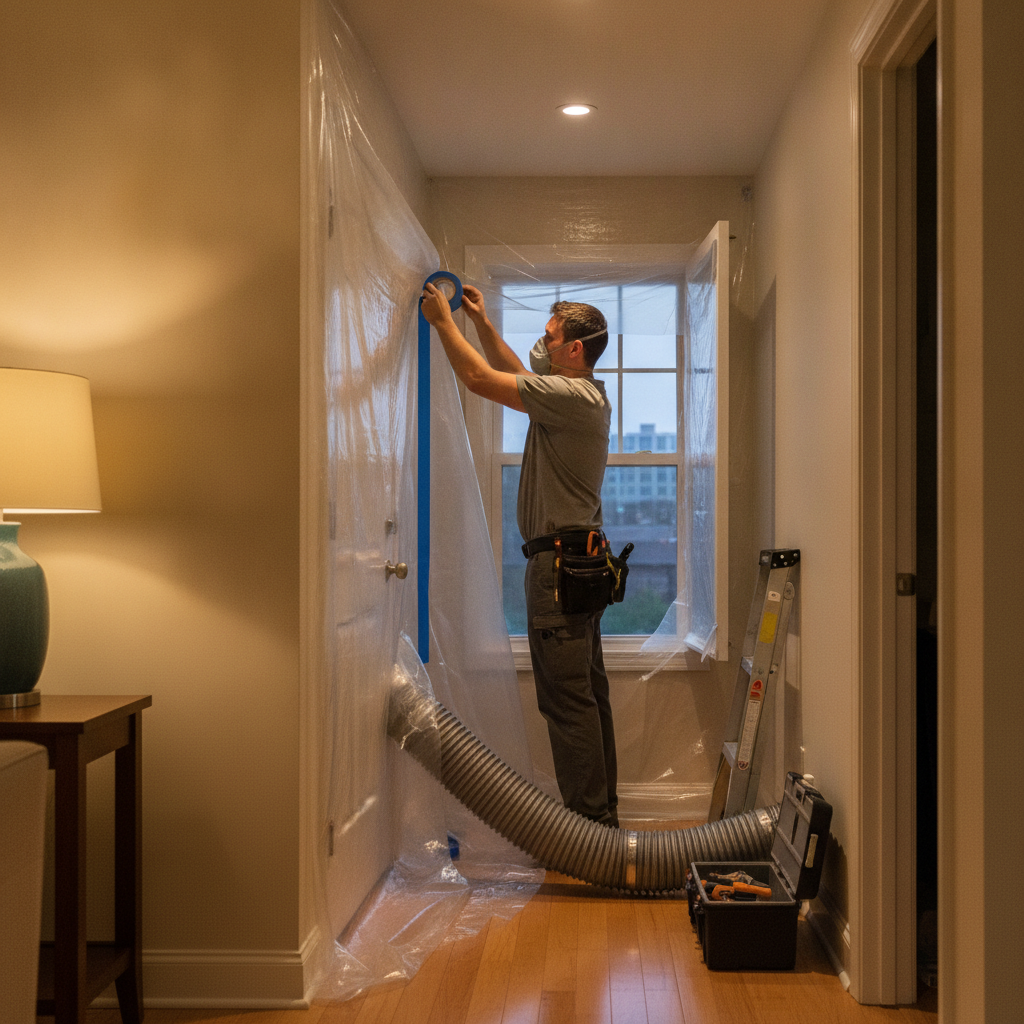
In occupied spaces, pros may establish light containment near suspect areas during exploration. You should receive a scope aligned with recognized best practices, not just raw lab numbers—linking each recommendation to a specific source of moisture and a practical prevention tactic.
Types, Methods, and When to Use Them
Inspectors combine visual assessment with moisture diagnostics and, when justified, laboratory sampling. Use air sampling to assess airborne spores, surface sampling to confirm visible growth, and thermal imaging to trace hidden moisture. The key is matching methods to the building’s specific questions.
Common inspection methods
- Visual + moisture readings: The baseline every time; maps conditions and narrows sources.
- Air sampling: Indoor/outdoor comparison quantifies aerosolized spores and supports documentation.
- Surface sampling: Swabs or tape lifts confirm if discoloration is mold and identify types.
- Thermal imaging: Finds cold spots indicating wet insulation, leaks, or condensation pathways.
- In-wall cavity checks: Small, repairable openings and borescopes when hidden voids are suspect.
Comparison at a glance
| Method | Best for | Strength | Limitation |
|---|---|---|---|
| Visual + Moisture | All inspections | Fast, non-invasive | Doesn’t identify spore types |
| Air Sampling | IAQ concerns, clearance | Quantifies airborne load | Snapshot; needs context |
| Surface Sampling | Visible staining | Species-level data | Local only; not air |
| Thermal Imaging | Hidden moisture | Locates wet zones | Requires verification |
When sampling is worth it
- Health complaints: When occupants report symptoms and you need objective data.
- Real estate transactions: To document conditions and guide negotiations.
- Post-remediation: Clearance checks and reassurance after work is completed.
- Unclear staining: To differentiate mold from soot, dust, or staining from other causes.
Attic-Focused Inspections (Scarborough Climate)
Attics often show the first signs of moisture imbalance—sheathing discoloration, frost, or musty odor. A focused attic inspection checks ventilation, insulation, bath fan ducting, and roof penetrations, then maps moisture and outlines targeted remediation and prevention.
ASM Mold Removal Inc. specializes in attic mold removal across Ontario. In our experience, the most common drivers are warm, moist indoor air reaching the attic, under-ventilated roof assemblies, disconnected or poorly ducted bath fans, and localized roof leaks. Attic-specific inspection steps aim to separate condensation patterns from leak trails so fixes are precise, not generic.
- Ventilation review: Assess soffit and ridge vents; confirm baffles keep pathways clear.
- Air sealing: Identify bypasses around hatches, light fixtures, and plumbing stacks.
- Insulation check: Look for voids, compression, or wet insulation that holds moisture.
- Bath/kitchen fans: Verify ducting terminates outdoors, not in the attic.
- Roof scan: Inspect penetrations and valleys for leak evidence and staining patterns.
Why this matters: condensation staining often appears in cold weather, while leak trails correlate with rain events. Matching the pattern to the source is how you avoid repeat growth and ensure remediation sticks long term.
Commercial & Real Estate Inspections
Commercial and transaction-driven inspections balance speed, documentation, and minimal disruption. The focus is source identification, occupant safety, and a clear path to remediation with after-hours options and follow-up verification when needed.
For offices, retail, warehouses, schools, and clinics, inspections often occur before or after business hours. We work discreetly to evaluate mechanical systems, above-ceiling voids, and tenant-fit-out areas, then deliver a concise report with photos and a remediation sequence that keeps operations moving. In real estate, inspections provide sellers with a plan to resolve issues and buyers with clarity on scope and timelines.
- Operations-first planning: Coordinate around business hours to limit downtime.
- Mechanical focus: Check HVAC condensate, drain pans, and filters that influence IAQ.
- Lease/fit-out awareness: Identify responsibility lines for fixes and access.
- Documentation package: Photos, moisture data, and optional air sampling for reassurance.
Best Practices a Reliable Mold Inspection Company Follows
Trustworthy inspectors separate detection from remediation advice, document every finding, justify sampling, and explain prevention. They use containment etiquette, protect occupants, and align scopes with recognized standards. Expect clear communication and practical fixes—not vague generalities.
- Justified sampling: Collected only when it informs a decision you need to make.
- Source-first mindset: Every recommendation ties to a moisture cause and a prevention step.
- Containment etiquette: Shoe covers, poly barriers, and negative air as needed during exploration.
- Transparent documentation: Photo evidence with captions, measurements, and plain-language summaries.
- Safety culture: PPE for dusty or contaminated spaces, with attention to occupant comfort.
- Prevention plan: Ventilation, insulation, drainage, and dehumidification recommendations.
Small protocol details add up—like sealing returns before opening an attic hatch or HEPA vacuuming after probe checks. These habits reduce particle spread and keep families and staff comfortable during the appointment.
Tools and Resources Used During Inspection
Expect non-invasive meters, hygrometers, thermal cameras, HEPA vacuums, and sampling cassettes. Reputable inspectors also provide checklists, maintenance tips, and a clear report with photos. When issues are confirmed, they outline remediation steps, timeline expectations, and occupant safety guidance.
Typical residential inspections rely on a moisture meter set to building materials, a thermal camera to scan roofs and exterior walls, and an indoor hygrometer to verify RH stays below about 60%. When air sampling is justified, calibrated pumps draw standard volumes for lab analysis, and results are paired with visual and moisture findings for context. For deeper reading on material moisture behavior, see these overviews of moisture content analysis methods, a primer on moisture content determination, and an outline of thermogravimetric moisture analysis.
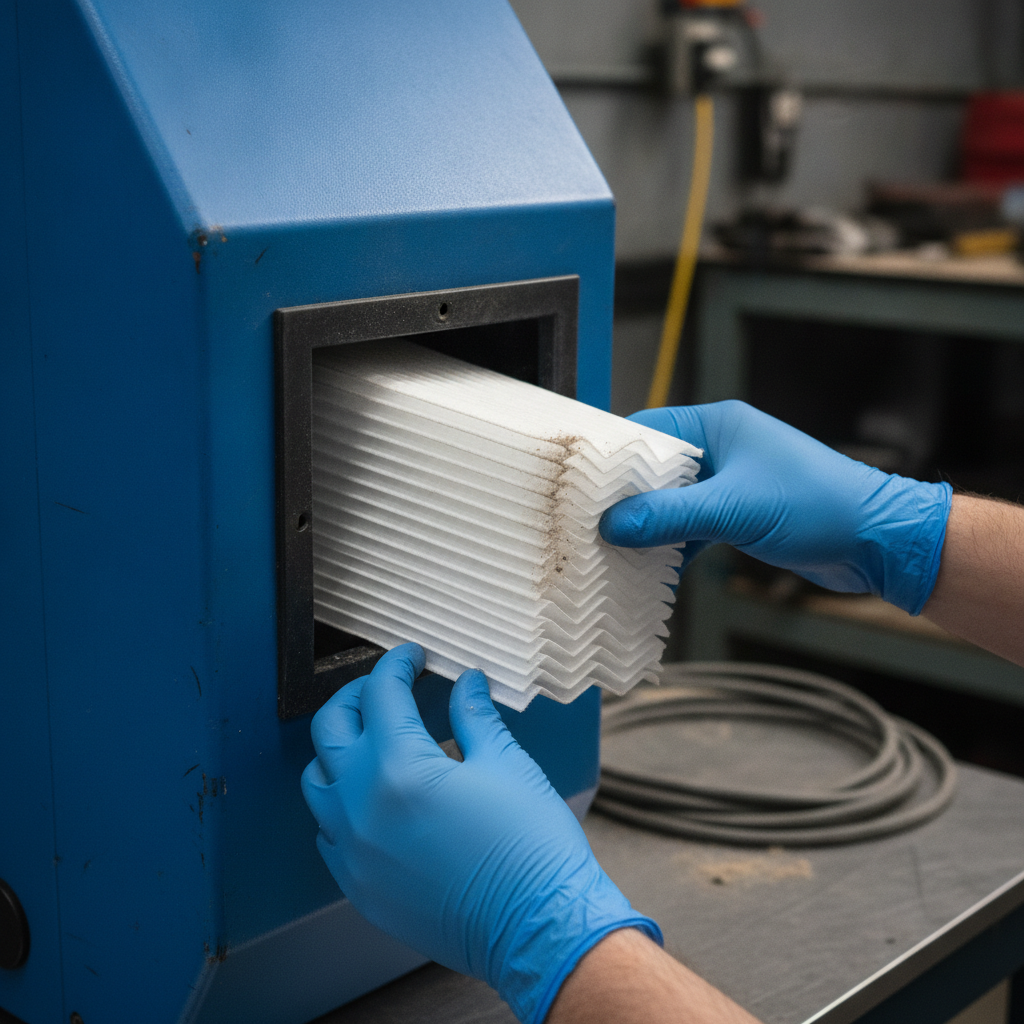
- Moisture diagnostics: Pin/pinless meters, thermal imaging, and borescopes as needed to confirm wet zones.
- IAQ sampling: Air cassettes, spore traps, and calibrated pumps for laboratory analysis.
- Documentation: Photo logs, moisture maps, and next-step scopes with timeframes.
- Safety gear: PPE, shoe covers, and localized containment materials for clean exploration.
- HEPA filtration: Air scrubbers to reduce particle load during invasive checks or remediation.
Case Studies and Real-World Examples
Attics, basements, and crawl spaces are frequent hotspots. Real inspections link moisture sources to practical fixes—roof leaks, poor bath fan ducting, and foundation seepage. Documentation streamlines remediation, verification, and warranty certificates where offered.
Scarborough attic with winter staining
A semi-detached home reported a musty odor after a cold snap. Inspection found sheathing discoloration and high attic RH. Thermal imaging showed cold soffit areas; the bath fan vent ended in the attic. Scope: re-duct fan outdoors, add baffles, air seal top plates, and spot remediate sheathing with containment and HEPA filtration.
Basement rec room with recurring odor
Finished walls read elevated moisture near the floor after spring rains. Exterior grading sloped toward the foundation. Scope: correct grading, extend downspouts, open and dry affected baseboards, remediate studs as needed, and verify RH under 60% with dehumidification and ventilation checks.
Small clinic requiring minimal disruption
An outpatient space needed discreet, after-hours inspection. Minor ceiling staining traced to HVAC condensate overflow. Scope: service drain line, remediate localized drywall under containment, and schedule follow-up air sampling to reassure staff and patients.
Real estate due diligence
A buyer’s agent requested rapid inspection on a tight closing timeline. The report documented elevated moisture in a crawl space, with recommended drainage improvements and remediation steps. The clarity allowed the parties to agree on repairs and keep the deal on track.
Pricing (What Influences Quotes—No Dollar Figures)
Inspection quotes vary by scope, size, urgency, and documentation needs. Complex buildings, multiple samples, and rapid timelines increase effort. Ask how history taking, reporting, and follow-up support are included so you compare like-for-like across providers without guessing.
- Scope: Single area vs. whole-home vs. multi-unit/commercial.
- Sampling count: Number and type of lab samples requested for decision-making.
- Access and scheduling: After-hours, same-day, or difficult access areas add time and coordination.
- Deliverables: Depth of the report, photos, and any post-inspection consultation and follow-up.
- Travel and urgency: Same-day service windows and regional travel can impact logistics.
Rather than chasing the lowest quote, confirm inclusion of moisture diagnostics, root-cause analysis, and practical prevention steps. A thorough inspection reduces downstream scope creep, change orders, and repeat visits.
How to Choose a Mold Inspection Company
Vet providers by certification, insurance, documentation quality, and prevention focus. Review sample reports, ask how containment is handled during exploration, and confirm turnaround times. Favor teams that explain moisture sources—not just lab results—and provide clear, written next steps.
- Credentials: Certification, insurance, and current safety training.
- Sample reporting: Ask for a redacted example to judge clarity and completeness.
- Turnaround: Scheduling and lab timelines that meet your needs (often 1–3 days for results).
- Prevention plan: Ventilation, drainage, and insulation recommendations included.
- Warranty ecosystem: How inspection supports remediation documentation and warranties.
Prefer a single accountable partner from inspection through remediation and documentation. If you’re ready to move, you can book a same-day inspection with ASM Mold Removal Inc. for Scarborough and across Ontario.
Pre-Inspection Prep Checklist
Good prep makes your appointment faster and more accurate. Clear access, note recent leaks, control humidity, and secure pets. Gather any prior reports, photos, or insurance correspondence so your inspector can build on existing data, not start from scratch.
- Access: Clear paths to attic hatches, mechanical rooms, bathrooms, kitchens, and basements.
- History: List dates of leaks, floods, roof repairs, and persistent odors.
- Humidity control: Keep indoor RH under 60% with ventilation and dehumidifiers where needed.
- Pets and schedules: Secure animals and plan for 1–3 hours on site for a typical home.
- Paperwork: Share prior inspection or insurance documents to accelerate conclusions.
These small actions reduce on-site delays and help your inspector deliver a sharper, more actionable report the same day.
Post-Inspection Next Steps
After the report, move quickly: fix moisture sources, schedule remediation with containment and HEPA filtration, and plan post-remediation verification if sampling was performed. Implement prevention—ventilation tune-ups, drainage, and insulation—to reduce recurrence risk.
- Source control first: Repair roof/plumbing leaks, correct grading, and route exhausts outdoors.
- Safe remediation: Use localized containment, negative air, and EPA-appropriate treatments.
- Verification: If sampled, consider a follow-up check for reassurance and documentation.
- Prevention: Maintain RH under 60%, add bath fan timers, and review attic ventilation annually.
ASM Mold Removal Inc. provides inspection, remediation, and prevention planning under one roof, including a Mold Remediation Warranty Certificate after completion and inspection—so you have paperwork that proves treated areas are free from active mold at handover.
Get a Same-Day Assessment
Need answers fast? Request a same-day inspection to document issues, stabilize conditions, and map next steps. A swift response reduces spread, eases occupant concerns, and sets you up for efficient remediation with clear expectations.
Soft CTA: We offer Ontario-wide, same-day response. If you’re in Scarborough and need urgent support, contact our team now to secure an assessment window.
Frequently Asked Questions
These concise answers address the most common mold inspection questions: timing, sampling choices, preparation, and what happens after the report. Each response is practical and designed to help you take your next step with confidence.
When should I call a mold inspection company?
Call after leaks, flood events, roof or plumbing failures, or if you notice musty odors, staining, or persistent humidity. Also schedule an inspection before listing a property or after tenant complaints about indoor air quality.
Do I always need air sampling?
No. Air sampling is most helpful for indoor air quality concerns, documentation, or clearance after remediation. Many inspections rely on visual findings and moisture diagnostics first, then sample only when it informs a decision.
How do I prepare for the appointment?
Clear access to attics, mechanical rooms, and sinks. Note any recent leaks, odors, or renovations. If pets are present, secure them during the walkthrough. Keep indoor humidity below 60% when possible.
What happens after the report?
You’ll receive prioritized actions: fix moisture sources, implement containment and HEPA filtration during remediation, and schedule post-remediation verification if sampling was performed. Good reports also include prevention steps to reduce recurrence.
Conclusion & Next Steps
A thorough inspection links symptoms to sources, documents evidence, and gives you a clear, prioritized plan. Choose certified pros with strong reporting and prevention focus. Act fast after water events—mold can begin growing within 24–48 hours if materials remain wet.
Here’s the path forward: decide if your situation calls for immediate inspection, prepare your spaces, and set expectations around documentation and prevention. If you’re in Scarborough, ASM Mold Removal Inc. can coordinate a same-day visit, align remediation steps to recognized best practices, and provide a Mold Remediation Warranty Certificate after completion and inspection.
Key Takeaways
The fastest wins come from early detection, clear documentation, and source-first fixes. Inspect thoroughly, remediate safely, and lock in prevention. You’ll protect health, property, and peace of mind—with paperwork that stands up to scrutiny.
- Inspection is the roadmap: findings, sources, scope, and prevention.
- Sampling is selective—use it when it informs real decisions.
- Keep RH under 60% to discourage growth and odors.
- Documentation accelerates remediation, insurance, and transactions.
- For urgent needs in Scarborough, book a same-day inspection.