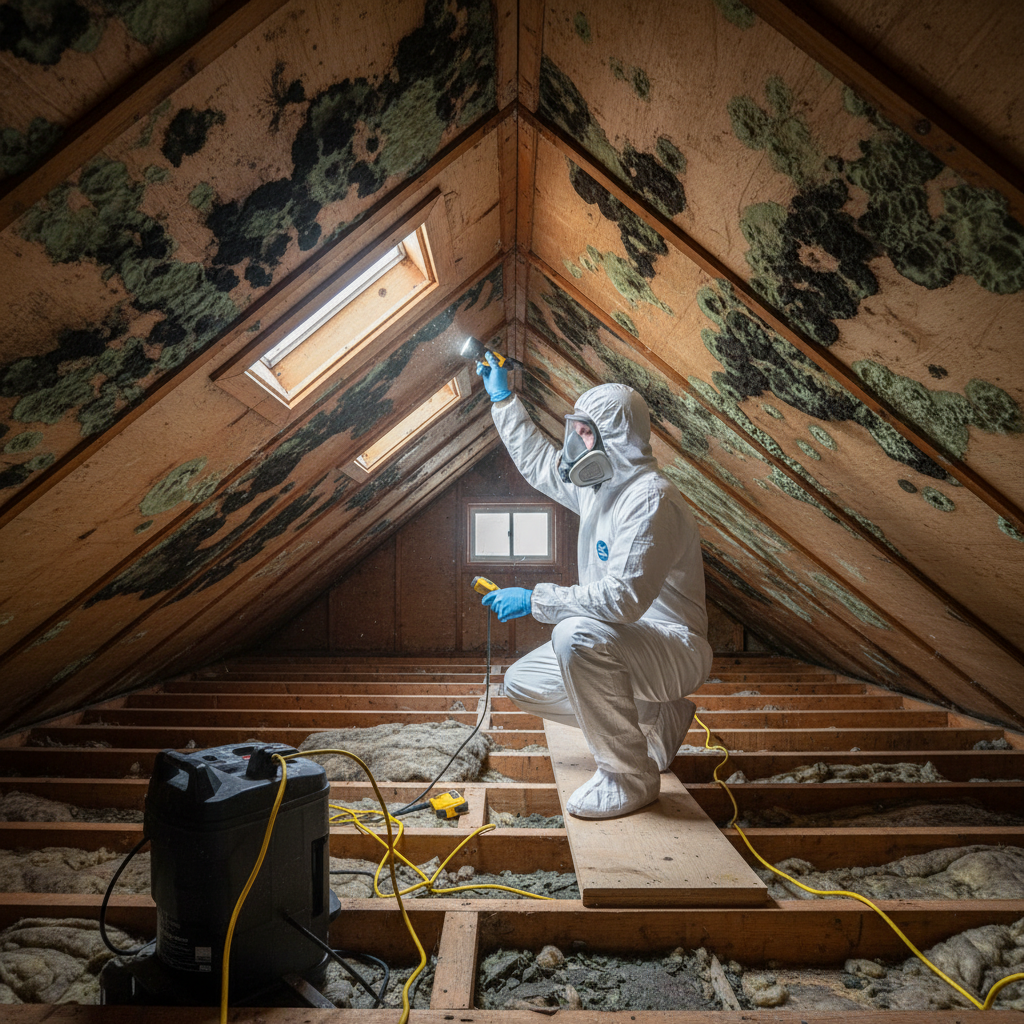
Mold in house refers to indoor fungal growth fueled by excess moisture that colonizes drywall, wood, insulation, and HVAC systems. It aggravates allergies and asthma, degrades indoor air, and can damage building materials. From our Scarborough base at 1225 Kennedy Rd, ASM Mold Removal Inc. provides same-day inspection and safe remediation across Ontario.
By Amardeep Mamidi — ASM Mold Removal Inc.
Last updated: 2026-05-28
Overview
Mold in a house is a moisture problem that impacts health and structure. This overview explains warning signs, high-risk areas, and the professional remediation steps ASM Mold Removal Inc. uses—from free inspections and containment to HEPA filtration, eco-friendly treatments, and post-clearance documentation.
Here’s what you’ll get from this guide:
- Clear signs and causes of household mold
- Exactly how professional remediation works, step by step
- When DIY is safe—and when to call certified specialists
- How prevention (ventilation, moisture control) keeps homes mold-free
- Local tips for Scarborough and the Toronto metro area
Hero Section
Need fast help for mold in your house? We offer free inspections, same-day response, and certified remediation with containment and HEPA filtration. Our team treats attics, basements, crawl spaces, and HVAC systems using EPA-approved, eco-friendly products—then documents clearance for peace of mind.
We solve urgent indoor mold challenges without disrupting daily life. Our technicians isolate the affected area, control air movement, and remove growth at its source. You stay informed with a clear scope, photos, and a Mold Remediation Warranty Certificate after completion and inspection.
Introduction
Mold thrives where moisture lingers for 24–48 hours—after a leak, flood, or high humidity. The fastest, safest fix is to identify the moisture source, contain the area, remove contaminated materials, and dry to safe levels. This section sets the stage for what effective remediation requires.
We treat mold as a building science issue first. Moisture drives growth, so we track it with thermal imaging, pin/probe meters, and air assessments. Then we remediate using containment, HEPA filtration, source removal, and targeted antimicrobial application, followed by drying and ventilation improvements.
What Mold in House Does to Health
Household mold can irritate airways, trigger allergic symptoms, and worsen asthma. Sensitive groups—children, older adults, and those with respiratory conditions—often feel effects first. Removing growth and controlling humidity and ventilation improves indoor air quality and reduces recurrence.
Why this matters: Indoor spores and fragments are easily disturbed by daily activity. When they become airborne, occupants may experience sneezing, coughing, eye and throat irritation, and fatigue. In our experience, symptoms often improve when moisture is corrected, impacted materials are removed, and HEPA filtration reduces particulate load.
- Moisture window: growth often begins within 24–48 hours of water exposure.
- Relative humidity target: keep indoor RH generally below 50% to reduce risk.
- Air movement: pressure differences can spread spores into clean rooms if uncontained.
Practical example: A Scarborough homeowner noticed morning congestion in a bedroom below a leaky bathroom. Our team isolated the ceiling cavity, removed moldy drywall, dried structural wood to safe meter readings, and improved exhaust ventilation. Symptoms eased once moisture and growth were resolved.
11 Signs and Where Mold Hides at Home
Look for musty odors, spotting on drywall or sheathing, and condensation around windows or cold corners. High-risk zones include attics with poor ventilation, basements after seepage, crawl spaces, bathrooms, and inside HVAC systems—especially after leaks or prolonged humidity.
Common indicators you can spot quickly
- Persistent musty or earthy odor in specific rooms
- Black, green, or white speckling on drywall, trim, or paint bubbles
- Stains on attic sheathing or around bathroom fans
- Condensation on windows, closets, or exterior corners
- Peeling paint, warped baseboards, or soft drywall
- HVAC supply registers with visible dust/mold debris
- Past or current roof, plumbing, or foundation leaks
- Efflorescence (white mineral deposits) on basement walls
- Ongoing allergy-like symptoms that improve outdoors
- Discoloration on insulation or wood framing
- Fogging double-pane windows or visible moisture trails
High-risk locations we remediate most
- Attics: Insufficient soffit/ridge ventilation or bathroom exhausts venting into the attic.
- Basements: Hydrostatic pressure, seepage, or past flooding.
- Crawl spaces: Ground vapor and cool surfaces causing condensation.
- Bathrooms: Daily showers drive humidity—keep RH in check and exhaust outdoors. See a practical overview of bathroom mold causes.
- HVAC: Dust + moisture = colonization on coils, pans, and duct interiors.
If you confirm two or more indicators in the same area—especially with moisture present—book a free inspection so we can pinpoint the source and plan safe removal.
Services Offered
ASM Mold Removal Inc. provides end-to-end service: free inspections, moisture diagnostics, containment, HEPA air filtration, safe removal, eco-friendly antimicrobial treatment, and restoration. We handle attics, basements, crawl spaces, HVAC systems, and commercial interiors—backed by a Mold Remediation Warranty Certificate.
- Mold Inspection & Testing: Visual assessment, thermal imaging, moisture readings, and targeted air/surface sampling when appropriate.
- Mold Removal & Remediation: Residential and commercial projects using industry-standard containment and negative air.
- Attic Mold Removal: Sheathing cleaning, ventilation optimization, and insulation removal/replacement when needed.
- Basement & Crawl Space Cleanup: Source removal, drying/dehumidification, and vapor/ventilation solutions.
- HVAC Cleaning for Mold: Coil, pan, and duct cleaning; sealing and reopening with documented clearance.
- Water Damage Restoration: Extraction, structural drying, and leak remediation.
- Preventative Treatments: Antimicrobial application, wood framing treatment, and long-term moisture control plans.
- Documentation: Mold Remediation Warranty Certificate following completion and inspection.
Explore our approach and certifications on our home page and about page.
The Process We Follow
Our process is designed to stop spread, remove contamination, and prevent recurrence. It includes free inspection, isolation, HEPA air control, source removal, antimicrobial treatment, structural drying, and verification. Clear documentation closes the loop for homeowners and real estate needs.
- Free inspection & moisture diagnostics: Thermal imaging and moisture meters find hidden wet areas.
- Containment & negative air: Poly barriers and negative pressure prevent cross-contamination.
- HEPA air filtration: Air scrubbers reduce particulate and spores during work.
- Source removal: Remove porous materials; clean or blast affected sheathing and framing.
- Antimicrobial application: Apply EPA-approved, eco-friendly products to treated surfaces.
- Drying & ventilation fixes: Dehumidify, balance airflow, and correct exhaust routing.
- Post-remediation verification: Visual clearance and, when appropriate, air sampling with a documented report.
| Phase | Goal | Tools/Methods | Owner Benefit |
|---|---|---|---|
| Assessment | Find moisture & mold | Thermal camera, meters | Targets the true cause |
| Containment | Stop spread | Barriers, negative air | Keeps clean rooms clean |
| Removal | Eliminate growth | Source removal, HEPA vac | Restores healthy surfaces |
| Treatment | Stabilize surfaces | EPA-approved products | Longer-term protection |
| Dry/Repair | Prevent return | Dehumidify, vent, fix | Stops mold at the source |
| Verification | Prove results | Visual/Air checks | Documentation you can use |
Mid-article CTA: Want our certified team to assess your home today? Request a free inspection—we’ll arrive prepared to isolate hazards and explain your best next steps.
Inspection and Testing: What to Expect
A free inspection focuses on moisture and visible growth. When needed, we add air or surface sampling to document conditions. Sampling supports real estate transactions, sensitive occupants, and post-remediation verification. You’ll receive findings, photos, and a clear plan.
During inspection, we:
- Trace leaks, condensation points, or drainage issues driving growth.
- Scan with thermal imaging to find hidden cold/wet spots.
- Check ventilation paths, especially bathroom exhaust and attic airflow.
- Recommend targeted air/surface sampling when evidence is ambiguous or documentation is required.
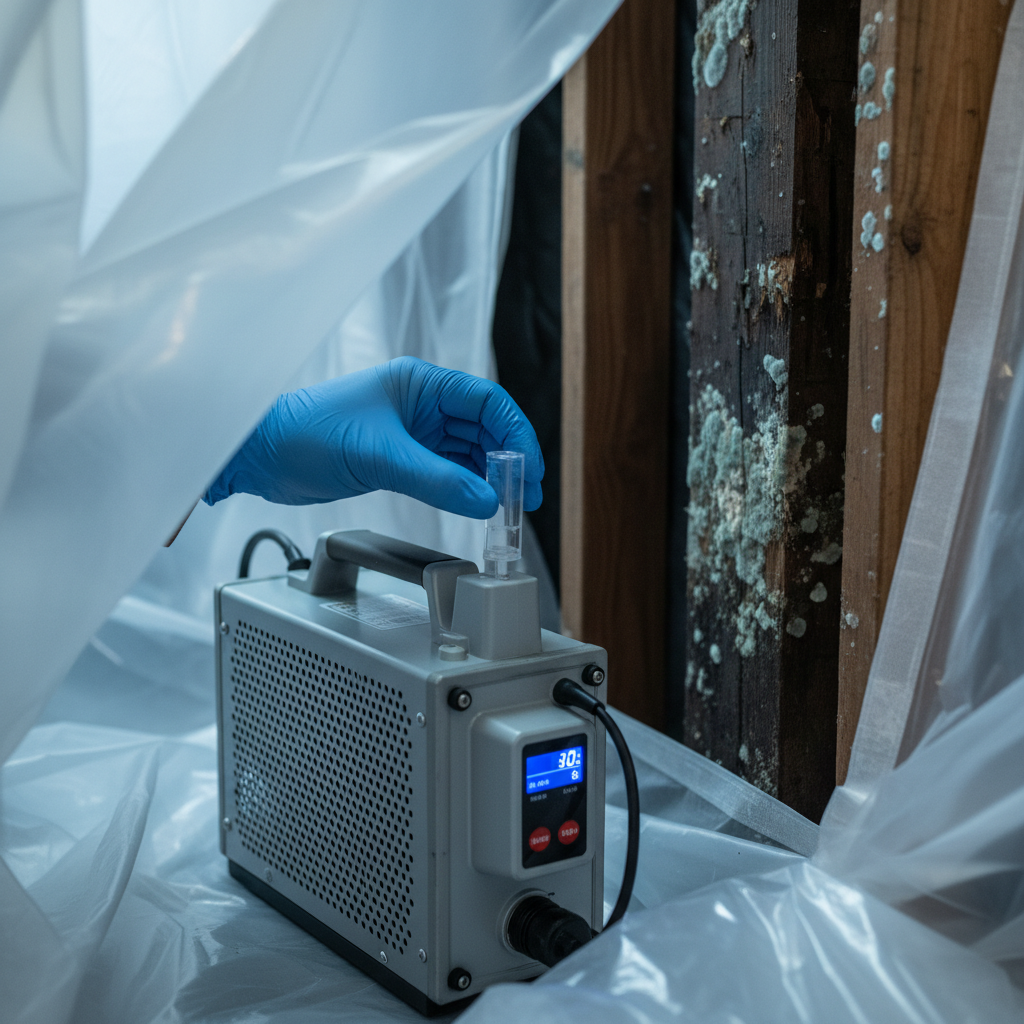
We explain whether the situation is suitable for a small DIY clean (non-porous, under a few square feet, fully dry) versus professional remediation (porous materials, attics, basements, crawl spaces, HVAC, or active leaks).
DIY vs. Professional: When to Call ASM
Tackle only small, non-porous spots that are fully dry and easy to access. Call professionals for growth on porous materials, widespread contamination, attics or crawl spaces, HVAC involvement, or any situation needing containment and negative air.
| Scenario | DIY Appropriate? | Professional Needed? | Reason |
|---|---|---|---|
| Tiny spot on tile/grout | Yes, if dry and ventilated | No | Non-porous; easy to clean |
| Stained attic sheathing | No | Yes | Ventilation, insulation, safety, and clearance |
| Basement drywall discoloration | No | Yes | Porous materials and hidden moisture |
| Supply registers look dusty | No | Yes | HVAC needs sealed cleaning and verification |
| After a fresh leak | Only if dried fast | Often | 24–48 hour growth window; hidden wet cavities |
When in doubt, we’re a phone call away. We’ll triage your photos, advise immediate steps, and schedule same-day help when needed.
Prevention Strategies That Actually Work
Prevent mold by controlling moisture: fix leaks quickly, vent bathrooms and kitchens outdoors, keep indoor humidity generally below 50%, and dehumidify basements. Pair these with periodic inspections, sealed building envelopes, and routine HVAC maintenance to keep growth from returning.
Moisture and ventilation controls
- Set dehumidifiers to 45–50% in basements during humid months.
- Exhaust bathrooms outdoors for 20–30 minutes after showers.
- Confirm attic soffit and ridge vents are unobstructed.
- Insulate cold water lines and rim joists to limit condensation.
Building envelope and drainage
- Extend downspouts and maintain positive grading away from the foundation.
- Seal penetrations at bath fans, plumbing stacks, and exterior fixtures.
- Repair roof flashings promptly to prevent attic moisture.
Operations and maintenance
- Replace HVAC filters on schedule; clean coils and pans as needed.
- Check under sinks and around toilets for weeps monthly.
- Document fixes and humidity levels after any leak or flood.
For a general cleaning perspective on visible patches, some guides outline practical steps for removal and drying; for example, this mould cleaning overview describes basic methods. For full remediation, always follow local standards and engage certified pros.
Attics, Basements, Crawl Spaces, and HVAC
Attic and basement environments are the most common sources we fix in Ontario homes. We address ventilation and insulation in attics, dehumidification and drainage in basements, vapor control in crawl spaces, and sealed cleaning plus verification for HVAC systems.
Attics: We correct bathroom fan venting, add or clear ventilation, and remove/replace contaminated insulation when required. Basements: We combine source removal with drying, dehumidification, and perimeter drainage improvements. Crawl spaces: We manage vapor and insulation details to stop condensation. HVAC: We clean coils, pans, and ductwork and reopen systems only after documented clearance.
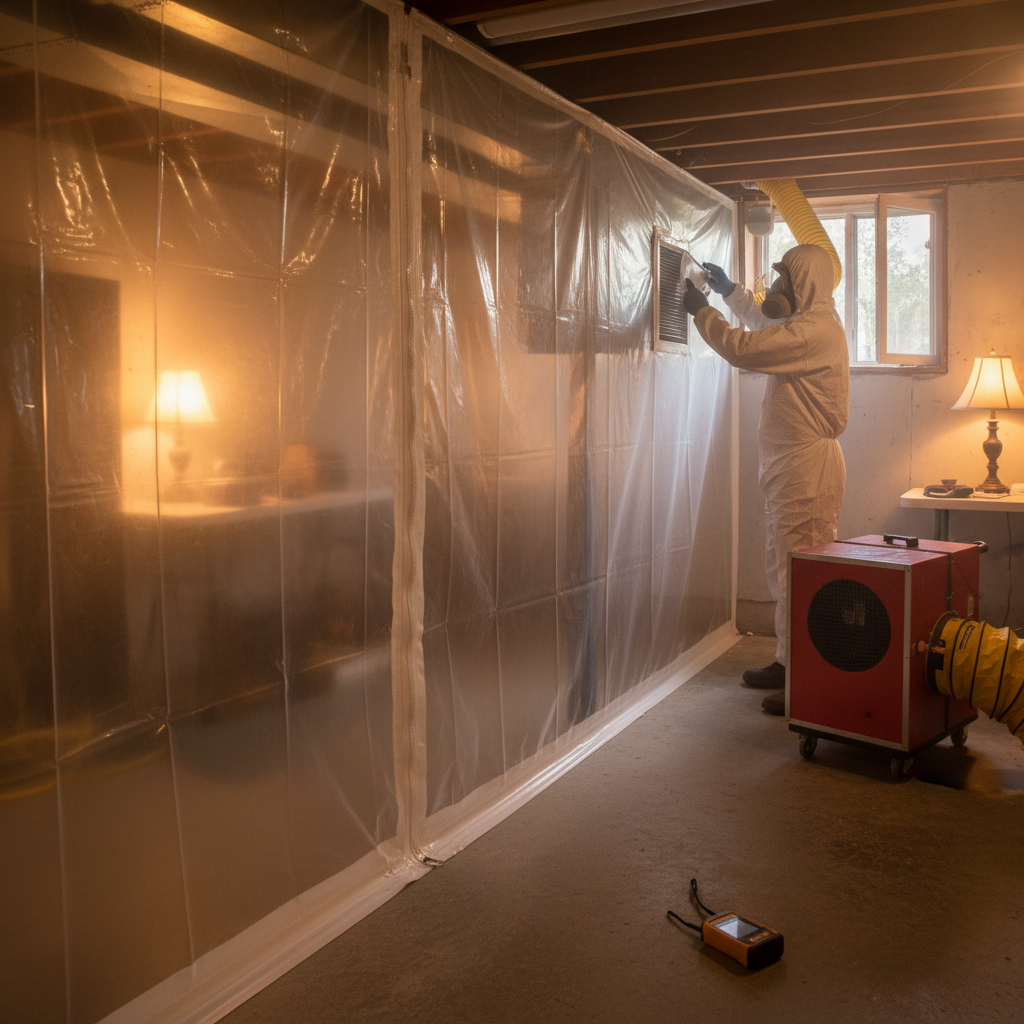
Homeowners often ask about DIY attic spraying. Sprays alone don’t fix moisture or ventilation. We focus on source control, surface cleaning, and airflow balance to achieve durable results.
Why Choose ASM Mold Removal Inc.
We respond the same day across Ontario, deliver free inspections, and remediate with certified, insured technicians. Our eco-friendly products, HEPA filtration, and strict containment protect occupants. You receive a Mold Remediation Warranty Certificate after completion and inspection.
- Ontario-wide same-day response for urgent issues
- Certified, insured technicians using current remediation standards
- Containment, negative air, and HEPA filtration on every project
- Eco-friendly, EPA-approved treatments and clear documentation
- End-to-end service: remediation, repairs, and restoration
- Mold Remediation Warranty Certificate for assurance
See who we are and how we work on our about page, or contact us to speak with a specialist.
Service Area: Scarborough and the Toronto Metro
We’re based in Scarborough and serve homeowners and businesses across Toronto and Ontario. Proximity to key routes allows same-day response, while our process minimizes disruption—ideal for busy families, buyers on deadlines, and commercial sites that need discreet remediation.
Neighborhood familiarity speeds solutions. From older bungalows with low-slope roofs to newer builds with tight envelopes, we tailor ventilation, insulation, and drainage strategies to each property’s design. Our address—1225 Kennedy Rd—keeps us close to clients and allows rapid mobilization of equipment and crews.
Local considerations for Scarborough
- Transit and access: We’re near the Lawrence East subway station, which shortens our arrival windows for same-day inspections.
- Seasonality: Freeze–thaw and lake humidity swing widely—watch attic ventilation in winter and basement RH in summer.
- Community tip: If you’re renovating near the Toronto Public Library - McGregor Park Branch area, pre-check for hidden moisture before closing walls.
Mini Case Snapshot
A pre-sale Scarborough home failed an informal sniff test: musty hallway, clean-looking walls. Thermal imaging found a cold stripe behind baseboards; meters confirmed moisture. We opened a small section, removed moldy drywall, dried framing to safe readings, and documented clearance—saving the closing.
What made it work fast:
- Targeted opening at the moisture corridor rather than full demolition.
- Sealed containment with negative air kept the rest of the home usable.
- Ventilation correction (bath fan to exterior) reduced future risk.
Scope Factors (How We Plan Work)
We don’t publish flat pricing because scope varies by area size, materials, moisture source, and access. After a free inspection, we explain findings, outline the remediation plan, and provide a transparent, quote-based recommendation—so you know exactly what will be done and why.
- Area & access: Attic vs. finished basement vs. crawl space.
- Materials: Porous drywall and insulation vs. non-porous tile or metal.
- Moisture source: Roof leak, plumbing failure, seepage, or condensation.
- Containment needs: Single room vs. multi-zone with complex air control.
- Documentation level: Real estate transactions may require additional sampling.
Have questions about scope? We’re happy to walk you through options on a quick call.
Tools, Methods, and Practical Standards
Effective remediation blends diagnostics, engineering controls, and safe removal. We rely on thermal imaging, moisture meters, HEPA filtration, negative air, and EPA-approved antimicrobials. We document pre- and post-conditions so you can use results for health, insurance, or real estate needs.
- Diagnostics: thermal camera differentials, non-invasive and pin meter readings, strategic sampling when needed.
- Engineering controls: sealed containment, pressure monitoring, and air exchanges via HEPA units.
- Treatments: targeted removal, HEPA vacuuming, surface cleaning, and antimicrobial application.
- Drying goals: dehumidifiers and airflow to safe moisture content before close-up.
For a basic layperson view on cleanup steps, this mould cleaning guide sketches common approaches. For full remediation—especially attics, basements, crawl spaces, and HVAC—use trained specialists.
Testimonials
Homeowners, buyers, and agents trust our speed and documentation. Clients often highlight same-day assessments, clear containment, and the Mold Remediation Warranty Certificate that supports transactions and long-term confidence.
- “They traced a hidden leak, remediated our attic, and left it cleaner than before.”
- “Basement smell is gone; the team managed airflow so dust never reached the main floor.”
- “We closed on time thanks to their report and warranty certificate.”
Frequently Asked Questions
These FAQs cover quick decisions: how to spot mold, when DIY is okay, how long remediation takes, and what documentation you’ll receive. Each answer is concise so you can take action fast or schedule a free inspection today.
How fast does indoor mold grow after a leak?
Mold can begin growing within 24–48 hours when materials stay damp. Dry the area immediately, ventilate, and call us if porous materials like drywall or insulation were wet or if you see staining or smell a musty odor.
What humidity level should I keep to prevent mold?
Aim to keep indoor relative humidity generally below 50%. Use bathroom and kitchen exhaust fans, run a dehumidifier in basements during humid months, and fix leaks quickly to avoid prolonged dampness.
When is DIY cleaning okay?
Small spots on non-porous surfaces may be safe if the area is fully dry and you have good ventilation. If growth involves drywall, insulation, attics, crawl spaces, HVAC, or large areas, schedule professional remediation.
Do you provide documentation after remediation?
Yes. We deliver photos, a summary of methods, and, when appropriate, air sampling results. You’ll receive a Mold Remediation Warranty Certificate after completion and inspection for your records and real estate needs.
Key Takeaways
Stop mold at the source, control air and moisture, and remove contamination safely. Certified containment, HEPA filtration, and targeted treatments—followed by drying and verification—restore healthy indoor conditions and help prevent mold from returning.
- Mold in house is driven by moisture—fix leaks and humidity first.
- Use containment and negative air to avoid spreading spores.
- Attics, basements, crawl spaces, and HVAC require professional handling.
- Keep indoor RH under 50% and vent bathrooms/kitchens outdoors.
- Get documentation and a warranty certificate for peace of mind.
Final CTA Section
Suspect mold in your house? Book a free inspection today. Our Scarborough team responds the same day across Toronto and Ontario, isolates hazards, and provides a clear remediation plan plus documentation.
Schedule your free inspection or call 647-451-0493. Prefer to read more first? Visit our home page for services and before/after results.