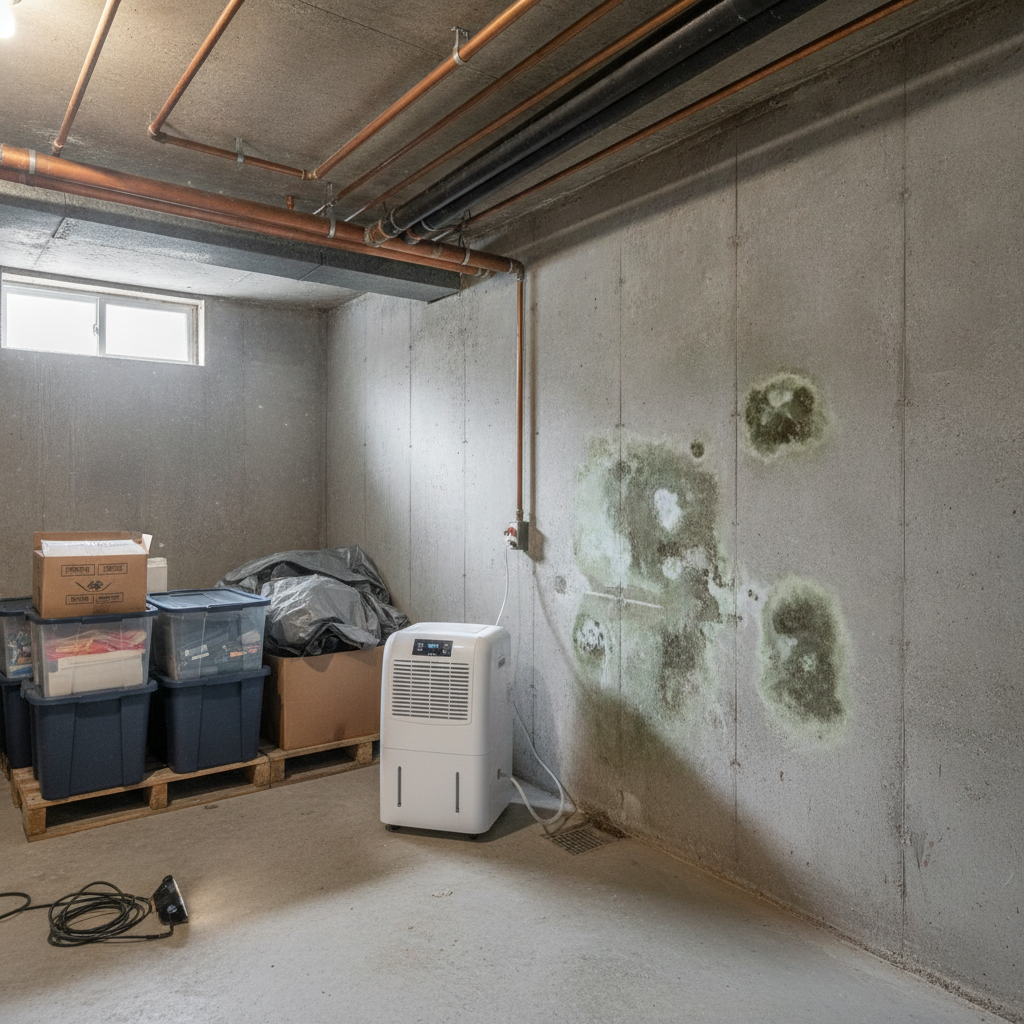
Mold in a basement is the visible or hidden growth of fungi on walls, floors, joists, or contents caused by excess moisture and poor ventilation. It often follows leaks, groundwater seepage, or humidity over 60%. In Scarborough, early detection and professional remediation prevent structural damage, odors, and health complaints while protecting a home’s resale value.
By ASM Mold Removal Inc. • Last updated: 2026-07-04
Hero Section
Basement mold cleanup is fastest and safest when handled by certified pros who find the moisture source, contain the area, remove contamination, and prevent regrowth. ASM Mold Removal Inc. delivers Ontario-wide, same-day response from Scarborough with free inspections, HEPA-controlled remediation, and a post-project Mold Remediation Warranty Certificate.
Basement mold shows up as discoloration, musty odor, or damp materials. The right partner doesn’t just “clean”; we locate moisture, remove affected materials safely, and stop recurrence. Our team specializes in residential and commercial spaces, minimizing disruption while restoring healthy indoor air.
- Same-day inspections across Ontario from our Scarborough hub
- Certified, insured technicians using HEPA filtration and full containment
- Eco-friendly, EPA-approved treatments for occupant safety
- Free moisture assessment and a clear, step-by-step remediation plan
- Mold Remediation Warranty Certificate after final inspection
Have visible staining or a musty basement? Book a free assessment now through our contact page.
Summary
If you suspect mold in your basement, act promptly: confirm moisture, limit disturbance, and schedule a certified inspection. We isolate the area, remove contamination under negative pressure, and treat surfaces to prevent regrowth—then help fix the moisture source so the problem stays gone.
- What this page covers: how to spot basement mold, health/structural risks, our remediation process, and prevention tips.
- Who it’s for: homeowners, buyers/sellers, real estate pros, and building managers working in or near Scarborough.
- Outcome: a dry, clean, warrantied basement ready for storage, living, or finishing.
Introduction
Basement mold forms where moisture lingers—post-flooding, from foundation seepage, plumbing leaks, or humid air. It damages materials and degrades indoor air. The solution is comprehensive: fix moisture, contain and remove growth, and protect surfaces so mold can’t return.
Basements are vulnerable because cool surfaces meet humid air. Add a plumbing drip, a foundation crack, or missing dehumidification and spores take hold on drywall, wood framing, insulation, and contents. The reality is simple: removing growth without addressing moisture just resets the clock.
- Common drivers: rain intrusion, condensation on cold walls, sump/backup failures, bathroom or laundry exhausts dumping moisture indoors, and HVAC imbalances.
- Where it hides: behind baseboards, under subfloors, on the back of drywall, inside insulation, and in rim joists.
- Why speed matters: damp materials deteriorate, odors intensify, and neighboring rooms can be affected.
Mold in Basement: Signs and Risks
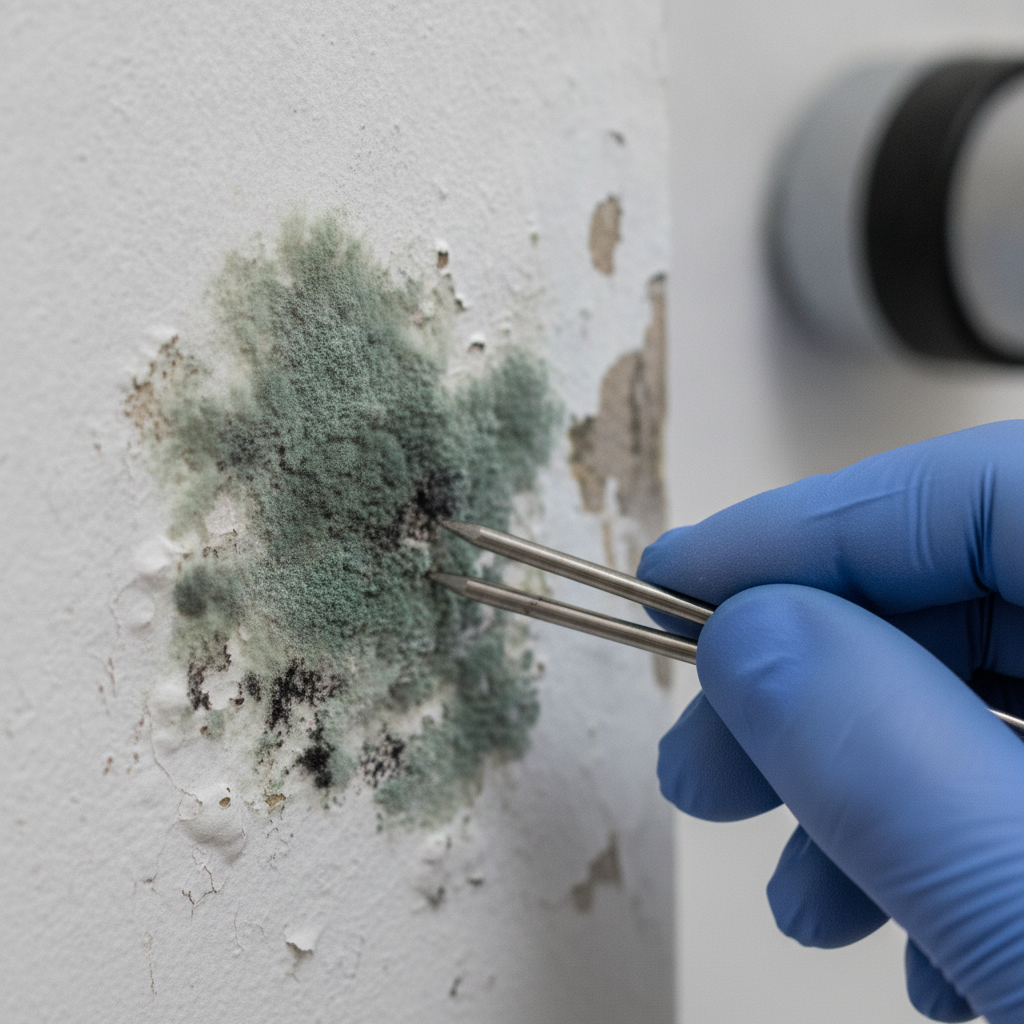
Look for musty odors, staining (black, green, or white), peeling paint, warped trim, or allergy-like symptoms that worsen in the basement. Left unchecked, mold can damage drywall and framing, spread to contents, and reduce property value—especially during home sale inspections.
“Mold in basement” issues often surface during listing photos or a buyer’s inspection. Sellers in Scarborough lean on our free inspection to remove surprises. Buyers ask us to validate moisture corrections and provide documentation for peace of mind.
- Visible cues: spotting on baseboards, fuzzy growth on walls or joists, rusting nails from persistent humidity.
- Air cues: stale, earthy odor stronger after rain; increased sneezing or coughing when downstairs.
- Material cues: soft drywall, delaminating plywood, or mineral deposits along slab edges indicating past seepage.
- Transaction impact: untreated mold can derail closings; remediation with a warranty certificate reassures all parties.
Services Offered
ASM Mold Removal Inc. provides end-to-end basement solutions: certified inspections and testing, HEPA-controlled remediation, moisture correction guidance, and restoration support. We treat basements, crawl spaces, attics, and HVAC systems with eco-friendly products and issue a Mold Remediation Warranty Certificate after completion.
Our core services are designed to solve the whole problem—not just the visible growth. We start with a precise moisture diagnosis, then remediate under containment while air-scrubbing. Finally, we help you keep the space dry and well-ventilated.
- Mold Inspection & Testing: moisture mapping, thermal imaging, and air/surface sampling when needed.
- Basement Mold Cleanup: source isolation, selective removal, HEPA vacuuming, antimicrobial treatment.
- Crawl Space Mold Cleanup: low-clearance containment, vapor barrier upgrades, ventilation strategies.
- Water Damage Restoration: emergency drying, targeted demolition, and dehumidification plans.
- HVAC System Cleaning for Mold: coil and duct cleaning when systems were exposed to spores.
- Preventative Treatments: wood framing treatments, anti-regrowth coatings, and ventilation improvements.
- Documentation: remediation report and Mold Remediation Warranty Certificate post-project.
Ready to schedule? Use our secure contact form for a free, same-day inspection window.
The Process
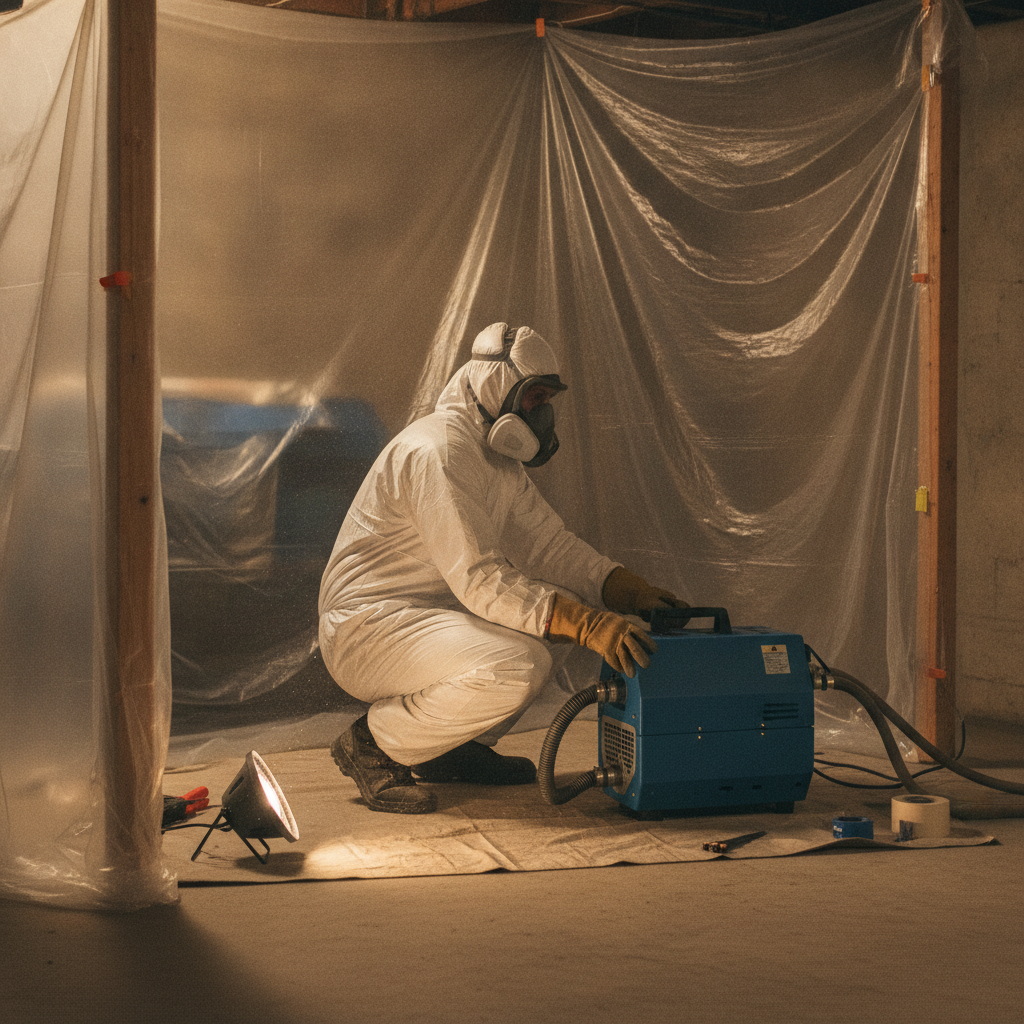
Our basement remediation follows a proven sequence: assess moisture, build containment, establish negative pressure, remove contaminated materials, HEPA-clean and treat, verify dry goals, and document the results. This keeps spores from spreading and ensures the problem doesn’t return.
- Free inspection and moisture assessment: identify leaks, condensation points, and wet materials with thermal imaging and meters.
- Containment and negative pressure: poly sheeting with zipper access; HEPA air scrubbers create directional airflow away from clean areas.
- Selective removal: safely remove unsalvageable drywall, insulation, and porous trim; bag and dispose per standards.
- Mechanical cleaning: HEPA vacuuming and damp wiping of all affected surfaces, including joists and subfloor.
- Antimicrobial application: eco-friendly, EPA-approved products on cleaned substrates to deter regrowth.
- Drying and verification: dehumidification and re-measurement until materials hit target moisture content.
- Documentation and warranty: final inspection, photos, and issuance of your Mold Remediation Warranty Certificate.
| Step | What Happens | Who Leads | Why It Matters |
|---|---|---|---|
| 1. Diagnose | Moisture mapping, leak detection, thermal imaging | Certified Inspector | Targets the source so mold can’t return |
| 2. Contain | Plastic barriers, negative pressure, HEPA filtration | Remediation Lead | Prevents cross-contamination to livable rooms |
| 3. Remove | Selective demolition of damaged materials | Remediation Crew | Eliminates embedded growth in porous items |
| 4. Clean & Treat | HEPA vacuuming, damp wipe, antimicrobial | Remediation Crew | Captures spores and protects surfaces |
| 5. Verify | Re-test moisture; plan ventilation and dehumidification | Project Manager | Confirms drying goals and long-term prevention |
Soft CTA: Get a same-day, free inspection and moisture assessment. We’ll confirm the source, set a clear plan, and protect your home. Start here: request your inspection.
Pricing and Assessments
Every basement is unique, so we begin with a free inspection and moisture assessment instead of quoting blind. You’ll receive a clear scope, timeline, and remediation plan, plus prevention recommendations tailored to your home and lifestyle.
We never provide one-size-fits-all numbers. Conditions vary—square footage, material types, moisture severity, and accessibility all influence scope. What you can expect is transparency, an on-site explanation of options, and documentation you can share with family members, property managers, or real estate stakeholders.
- Free inspection: clear findings and photos.
- Defined scope: containment boundaries, equipment plan, materials affected.
- Timeline: realistic scheduling with same-day starts when urgent.
- Post-remediation: warranty certificate upon completion and inspection.
Why Choose Us
We specialize in mold remediation across Ontario with fast response from Scarborough. Our certified, insured technicians use HEPA containment, eco-friendly products, and documented workflows. You get minimal disruption, honest communication, and a Mold Remediation Warranty Certificate at the end.
- Ontario same-day response: rapid mobilization reduces damage and disruption.
- Certified, insured pros: trained on current remediation standards and safety.
- Eco-friendly products: EPA-approved treatments used responsibly.
- End-to-end service: from inspection and cleanup to restoration support.
- Documentation: remediation report and warranty for peace of mind.
In our experience, homeowners value clear plans and low-disruption execution. We stage equipment, protect finishes, and coordinate access to keep your household running smoothly during work.
Service Area
Based in Scarborough, we serve homes and businesses across Ontario. Whether you’re downtown, along major corridors, or in surrounding neighborhoods, our same-day inspections help you act before small moisture issues become large remediation projects.
Scarborough basements see seasonal swings—spring rain events, humid summers, and cold-weather condensation. Our local team understands how weather patterns influence moisture, and we tailor prevention plans to your property’s layout and use patterns.
Local considerations for Scarborough
- Plan for humidity control in summer; keep basement RH near 50% with a right-sized dehumidifier.
- After heavy rain or snowmelt, inspect foundation walls and slab edges for damp lines or mineral residue.
- Ensure bathroom/laundry exhausts vent outdoors; avoid exhausting moist air into the basement ceiling cavity.
Basement Prevention Tips That Work
Keep mold away by controlling moisture: fix leaks fast, maintain gutters and grading, dehumidify to ~50% RH, and ventilate laundry and bathrooms outdoors. Combine these steps with our preventative treatments for durable protection.
- Moisture control: repair plumbing and appliance leaks promptly; verify sump pump and backflow setups are functional.
- Air management: add supply/return balance or a dedicated dehumidifier; avoid closing vents that starve airflow.
- Envelope care: maintain gutters, downspouts, and grading so water flows away from the foundation.
- Materials: choose mold-resistant drywall or coatings for finished spaces; elevate storage off the slab.
- Maintenance cadence: seasonal checks after major storms and during high-humidity stretches.
When finishing or renovating after remediation, coordinate with reputable renovators for sequencing and material choices. For general planning context on basement finishing considerations, see these overviews of basement finishing steps and a renovation planning guide. These resources are not endorsements but can help you organize next steps.
Mini Case Examples
Our Scarborough projects show a clear pattern: fix moisture, remediate under containment, and validate drying. The result is a clean, dry basement ready for storage or finishing—supported by photos and a warranty certificate that stands up in real estate transactions.
- Detached home, laundry overflow: localized wall damage; containment, removal of 12 feet of drywall and insulation, HEPA cleaning and treatment; added dehumidifier plan and vented laundry exhaust.
- Semi-detached, foundation seepage: recurring staining at slab edge; targeted demo, perimeter drying, air scrubbing; homeowner later improved downspouts and grading per our prevention checklist.
- Townhome, HVAC imbalance: musty odor without visible growth; moisture mapping found cold duct sweating; we treated joists, balanced airflow, and set RH targets for monitoring.
Tools We Use and Standards We Follow
We deploy professional meters, thermal imaging, HEPA air scrubbers, and negative-pressure containment. Our workflow reflects current industry best practices for safe, effective remediation with occupant protection and thorough documentation.
- Diagnostics: pin/pinless moisture meters, infrared cameras, and hygrometers for RH/temperature trends.
- Engineering controls: plastic containment with zipper doors, pressure monitoring, and HEPA filtration.
- Cleaning system: HEPA vacuuming, damp wiping, and eco-friendly antimicrobial application.
- Verification: moisture content readings and, when warranted, post-remediation sampling.
- Documentation: photo logs, scope notes, and a remediation report with your warranty certificate.
Interested in what happens after a clean, dry basement? This overview of basement renovation planning can help you stage finishing work after remediation is complete.
Testimonials
Homeowners and real estate professionals choose us for speed, clarity, and documented results. They appreciate our same-day inspections, careful containment, and the confidence that comes with a warranty-backed outcome.
- “They found the hidden moisture fast and contained the area the same day. The report made it easy to move forward with our sale.”
- “Crew was professional and tidy. The basement smells fresh again, and the dehumidifier plan keeps RH steady.”
- “Minimal disruption to tenants—clear communication and a thorough cleanup. The documentation was exactly what we needed.”
Frequently Asked Questions
Basement mold questions usually center on safety, timing, and prevention. Here are concise answers to what we hear most—from how fast to act to what you can do first while you wait for our inspection.
How quickly should I act if I see mold in my basement?
Act promptly. Limit disturbance, run a dehumidifier to keep RH near 50%, and book a certified inspection. Rapid containment prevents spores from spreading to other rooms and reduces material damage.
Can I clean basement mold myself?
Small, non-porous areas can sometimes be surface-cleaned, but porous materials like drywall and insulation usually require professional removal under containment. DIY cleaning without moisture correction often leads to recurrence.
Do you test the air before and after remediation?
We start with a moisture-led assessment and use air or surface sampling when it informs decisions. After remediation, we verify dryness and, if appropriate, conduct post-remediation sampling to document results.
How do I keep mold from coming back?
Control moisture: fix leaks, maintain gutters and grading, ventilate bathrooms and laundry outdoors, and dehumidify to about 50% RH. We can apply preventative treatments to wood framing and advise on ventilation improvements.
Key Takeaways
Basement mold is a moisture problem first. Fix the source, remediate under HEPA-controlled containment, and verify dryness. Pair prevention habits with our treatments and documentation for long-term peace of mind.
- Don’t ignore musty odors or discoloration—act early.
- Root-cause moisture control prevents repeat problems.
- Containment, removal, HEPA cleaning, and treatment are the backbone of remediation.
- Documentation and a warranty certificate support real estate and insurance needs.
Final CTA Section
See signs of mold in your basement? We can inspect today. You’ll get a moisture diagnosis, a clear plan, and a warranty-backed remediation that protects your home and health.
Book your free inspection in Scarborough now via our contact page. We’ll coordinate a convenient window, explain findings in plain language, and move quickly when timing matters.