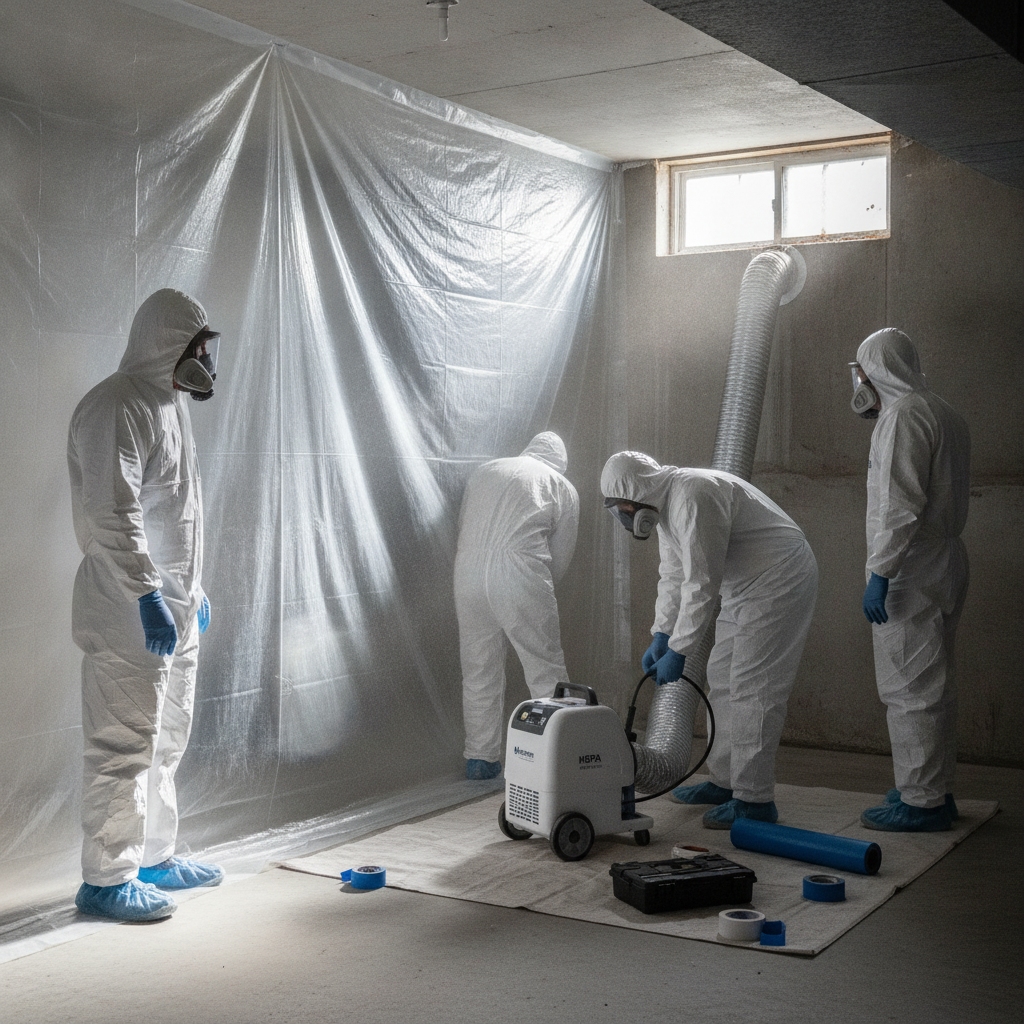
Basement mold clean up is the systematic removal of visible growth and hidden spores from damp lower levels to restore safe indoor air. It includes source moisture control, containment, HEPA filtration, and surface remediation. In Scarborough homes, prompt cleanup prevents damage, reduces odors, and protects occupants with allergy or asthma sensitivity.
By Asmmoldremoval • Last updated: 2026-07-04
Quick Summary
Basement mold cleanup restores safe air by stopping moisture, isolating the work area, filtering spores, and removing or treating contaminated materials. Homeowners handle minor surface spots; professionals manage widespread growth, structural wetness, or health-sensitive environments using HEPA, negative air, and EPA-approved treatments for lasting results.
Here’s what you’ll get from this guide, based on our Scarborough field experience handling basements, crawl spaces, and attics across Ontario:
- Plain-English definition of basement mold clean up and why air quality hinges on it
- A step-by-step process you can follow, with pro tips at each stage
- When to DIY versus when to call certified remediation technicians
- Tools and resources, including moisture control and prevention checklists
- Local guidance for Scarborough homes facing seasonal humidity swings
What Is Basement Mold Cleanup?
Basement mold cleanup is the controlled removal and treatment of fungal growth in lower levels to restore surfaces and protect indoor air. It pairs moisture correction with containment, HEPA filtration, and remediation methods (removal, cleaning, or encapsulation) so spores don’t spread and regrowth is prevented.
In our experience, “cleanup” is more than wiping a stain. It’s a coordinated sequence: identify moisture, isolate the area, create negative air, capture airborne spores, then remove, clean, or encapsulate impacted materials. Finally, we verify dryness and apply prevention measures so the problem doesn’t return.
- Moisture-first lens: Basements often sit below grade, where cool surfaces meet humid summer air. That’s a recipe for condensation and mold.
- Air management: A HEPA air scrubber cycles room air repeatedly, capturing ≥99.97% of particles at 0.3 microns to reduce exposure during work.
- Surface decisions: Non-porous materials can be cleaned; porous drywall or insulation with deep growth is typically removed and replaced.
Why Basement Mold Cleanup Matters
Basement mold cleanup protects health and property. Spores can trigger allergies, worsen asthma, and spread through HVAC systems. Left alone, moisture weakens drywall and wood framing. Proper cleanup stops the source, removes growth, and stabilizes humidity, which maintains structural integrity and healthy indoor air.
Basements influence your whole home’s air. Stack effect draws lower-level air upward, so musty odors and spores don’t stay put. We’ve seen families report fewer morning headaches and less coughing once a damp basement is dried to 30–50% relative humidity and growth is remediated under containment.
- Health: People with allergies, asthma, or recent illnesses are more sensitive to spores and fragments.
- Structure: Persistent dampness can lead to wood rot and deterioration of paper-faced drywall.
- Resale: Clean documentation and a Mold Remediation Warranty Certificate help reassure buyers and agents.
How Basement Mold Cleanup Works (Step-by-Step)
Effective basement mold clean up follows a strict sequence: assess moisture, set containment, create negative air, remove or clean affected materials, HEPA-vacuum and wipe, dry to safe humidity, then verify and prevent. Skipping steps risks cross-contamination and fast regrowth.
Process overview
- Assessment and testing: Identify leaks, measure moisture in walls/joists, and, if needed, perform air or surface sampling.
- Containment: Poly sheeting, zipper access, and sealed vents isolate the zone.
- Negative air and HEPA: Air scrubbers and negative air machines control particles and pressure.
- Selective removal: Cut out porous materials with embedded growth (typically drywall/insulation).
- HEPA vacuuming: Thorough pass on all surfaces to capture fine debris.
- Wet wiping: Detergent or EPA-approved solutions on non-porous and semi-porous surfaces.
- Drying and dehumidification: Bring RH to 30–50% and keep it stable.
- Final verification: Recheck moisture; optional post-remediation air sampling.
Action and tools table
| Step | Primary Action | Key Tools | Pass/Fail Cue |
|---|---|---|---|
| 1 | Moisture inspection | Moisture meter, thermal camera | All wet areas mapped |
| 2 | Containment setup | 6-mil poly, zip door, tape | No air leaks at seams |
| 3 | Negative air control | Negative air machine, ducting | Consistent inward flap at entry |
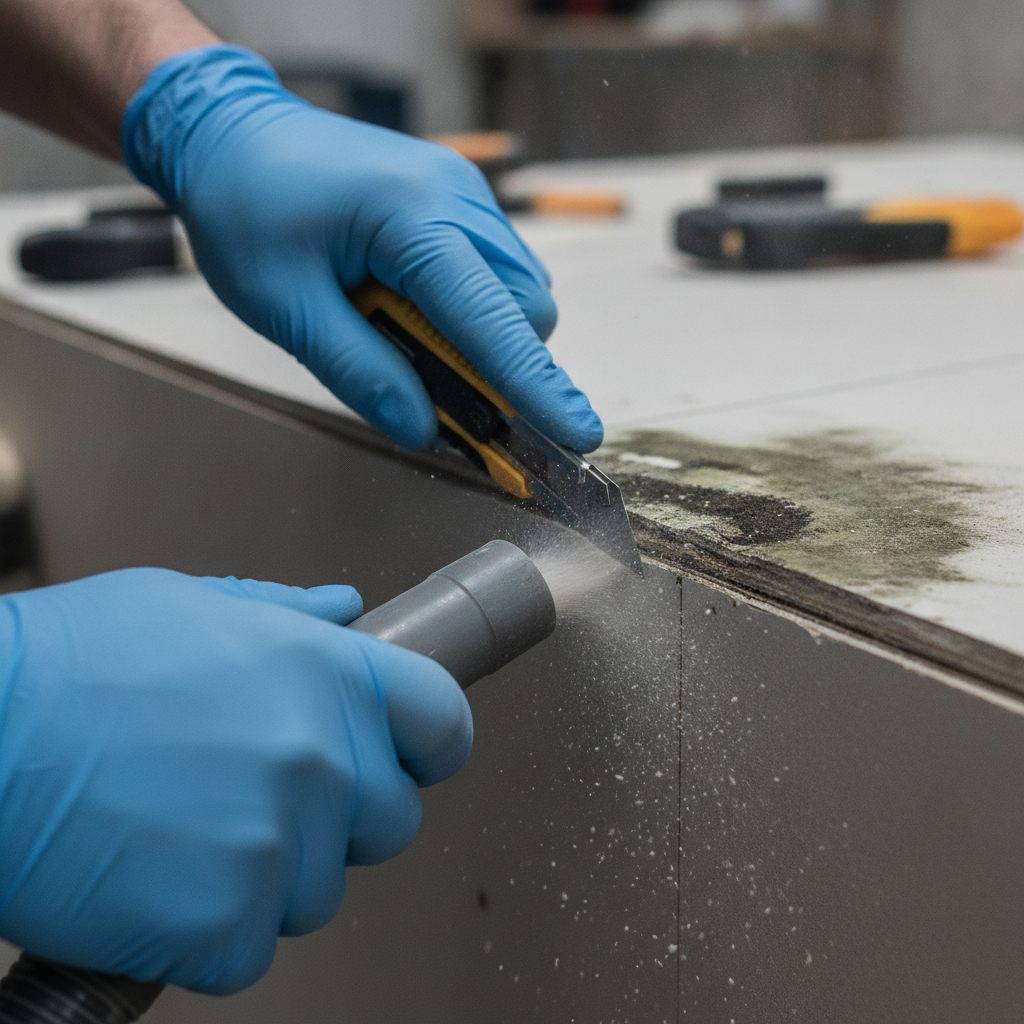
| 4 | Selective demo | Utility knife, HEPA vac assist | Clean cuts, dust captured |
| 5 | HEPA vacuum | HEPA vac with sealed bags | Surfaces free of debris |
| 6 | Wet wipe/clean | Detergent, EPA-approved cleaner | No visible staining/film |
| 7 | Dry/dehumidify | Dehumidifier, air mover | RH 30–50% sustained |
| 8 | Verification | Moisture meter, optional air test | Dry, clean air metrics |
Types, Methods, and Approaches
Basement remediation combines removal, cleaning, and encapsulation. Porous materials with deep growth are cut out; non-porous surfaces are cleaned; stained wood is cleaned then sealed. Success relies on containment, HEPA filtration, and long-term moisture control to keep humidity stable and prevent recurrence.
Every basement has a blend of materials and microclimates. We match the approach to the substrate and moisture level so clean-up sticks.
- Physical removal: Drywall, carpet pad, and contaminated insulation are bagged and discarded under containment.
- Mechanical cleaning: HEPA vacuuming and damp wiping collect spores and residues on concrete, metal, or sealed wood.
- Antimicrobial application: EPA-approved solutions are used where appropriate after cleaning; they’re not a substitute for drying.
- Encapsulation: After cleaning and drying, stained wood sheathing or joists may be sealed to lock in discoloration and provide a washable surface.
- HVAC considerations: If the air handler or returns are in the basement, filters and ducts may need inspection and cleaning.
Best Practices for Safe, Lasting Results
The best basement mold clean up prioritizes safety, air control, and moisture prevention. Wear PPE, isolate the work zone, use HEPA filtration, handle waste carefully, and stabilize humidity year-round. Document conditions before/after so you can verify dryness, surface cleanliness, and long-term prevention.
- Protect yourself: Use a fit-checked respirator (P100 or N95 at minimum), gloves, goggles, and disposable coveralls.
- Air discipline: Keep negative pressure active during demo and cleaning to avoid spreading spores.
- Dust control: Cut small drywall sections with a HEPA nozzle capturing dust right at the blade.
- Bag-and-seal: Double-bag debris; wipe bags before carrying them through clean areas.
- Humidity target: Keep indoor RH between 30–50% to reduce condensation risk on cool walls and floors.
- Verification photos: Photograph moisture readings and cleaned surfaces for records and real estate needs.
Local considerations for Scarborough
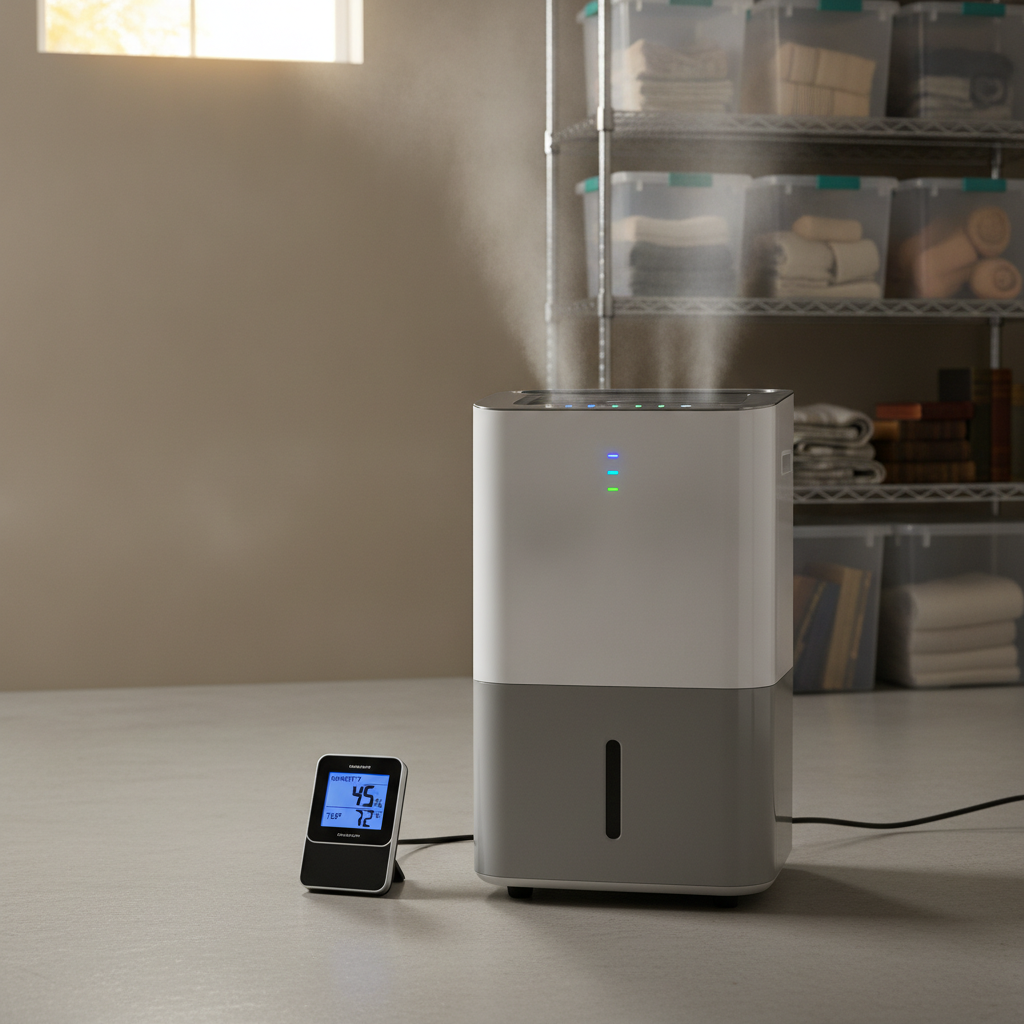
- Plan for summer humidity spikes by running a basement dehumidifier and monitoring with a hygrometer, especially after rainy weeks.
- In shoulder seasons, check for condensation on cold-water pipes; insulate exposed lines to stop drip-related spots.
- If you finish your basement, include a dedicated return air path and ensure proper ventilation to avoid stale, humid zones.
Need help fast? ASM Mold Removal Inc. offers Ontario-wide, same-day response, free inspections, and a Mold Remediation Warranty Certificate. Start with a quick call or book your free inspection.
Tools and Resources You’ll Actually Use
For small areas, gather PPE, a HEPA vacuum, scrub pads, detergent, and a quality dehumidifier with a hose drain. For larger or recurring issues, add moisture meters, negative air machines, and containment materials—or hire certified pros who already deploy this equipment daily.
DIY kit checklist
- Respirator (P100 or N95), gloves, goggles, disposable coveralls
- 6-mil poly, painter’s tape, and a zipper doorway kit
- HEPA vacuum with sealed bags and a crevice tool
- Scrub pads, non-shedding cloths, and detergents
- Portable dehumidifier with continuous drain and built-in humidistat
- Hygrometer and basic pinless moisture meter to spot-check drying
Pro-level equipment
- Negative air machine with ducting for pressure control
- High-capacity HEPA air scrubber (multiple air changes per hour)
- Thermal imaging camera to trace hidden wet spots behind finishes
- Commercial dehumidifiers and air movers for accelerated drying
- EPA-approved antimicrobial solutions and sprayers (post-clean)
After remediation, many homeowners consider finishing upgrades. For planning considerations, you can review a practical basement finishing guide and a Scarborough-focused basement renovation overview to align materials and ventilation choices with a dry, healthy space.
DIY vs. Professional: When to Call ASM Mold Removal Inc.
DIY works for small, surface-level spots on non-porous materials when you can fully dry the area. Call certified professionals when growth exceeds small patches, materials are saturated, odors persist, or anyone in the home is health-sensitive. Pros bring containment, HEPA, and documentation for peace of mind.
- DIY is reasonable when: Staining is limited, surfaces are washable, and you can verify dryness within 24–48 hours.
- Call ASM Mold Removal Inc. when: There’s wall-to-wall mustiness, visible growth across drywall, prior flooding, or suspected HVAC spread.
- Documentation matters: Our free inspections, moisture reports, and Mold Remediation Warranty Certificate support real estate transactions.
- Time and safety: We use HEPA filtration, negative air, and EPA-approved methods to minimize disruption and exposure.
If you need a same-day assessment in Scarborough, you can request a free inspection and we’ll triage moisture, odor, and visible growth the same day whenever possible.
Case Studies: Scarborough Basement Wins
These quick case notes show how moisture control plus disciplined remediation solved persistent basement issues. Each scenario pairs real-world constraints with the practical steps that delivered clean air, dry materials, and documented results for owners and agents.
1) Summer humidity + storage room odor
- Problem: Musty odor near shelving; RH at 65–70%; light spotting on baseboards.
- Action: Localized containment; HEPA vacuum; detergent wipe; dehumidifier set to 45% with hose drain.
- Result: Odor resolved, RH stabilized, follow-up showed no new growth after 30 days.
2) Post-leak drywall deterioration
- Problem: Old plumbing leak; bubbling paint and paper-faced drywall discoloration.
- Action: Selective demo of damp drywall; negative pressure maintained; HEPA and wipe-down; drying to 40–45% RH.
- Result: Clean substrate, dry readings, warranty documentation provided for sale disclosure.
3) Finished basement with shared return
- Problem: Family coughs in morning; finished basement tied into central return air.
- Action: Source inspection; filter upgrade; localized cleaning; duct assessment; dehumidifier added.
- Result: Notable reduction in nighttime odor; better morning comfort reported by occupants.
Prevention and Maintenance Plan
Lasting results depend on humidity control and periodic checks. Keep RH between 30–50%, fix leaks fast, insulate cold pipes, and maintain gutters and grading. Recheck basements after storms and at seasonal changes. A simple monthly moisture and odor walkthrough prevents small issues from becoming major cleanup projects.
- Weekly: Scan for new spots near baseboards, corners, and behind stored boxes.
- Monthly: Log RH, empty/inspect dehumidifier hose, verify drains are clear.
- Seasonal: Test sump pump, confirm exterior downspouts extend well away, and review window well drainage.
- Annual: Consider a professional inspection with thermal imaging, especially in older homes or after renovations.
Frequently Asked Questions
These common basement mold clean up questions address safety, timelines, and what to expect. Each answer is concise and designed for quick decisions—whether you’re considering DIY or booking a free inspection for a same-day professional assessment in Scarborough.
Can I do basement mold clean up myself?
Yes—if growth is small, on non-porous surfaces, and the area dries to 30–50% RH quickly. Wear PPE, contain the area, use a HEPA vacuum, and clean thoroughly. Call pros when materials are saturated, odors persist, or anyone is health-sensitive.
How long does proper cleanup take?
Minor surface work may take a few hours, while projects involving removal and drying typically span a couple of days. Drying to stable humidity is critical; plan for dehumidification to run until RH stays between 30–50% without assistance.
Do I need air testing after remediation?
Post-remediation verification can include air or surface sampling, especially for sensitive occupants or real estate transactions. Many homeowners rely on moisture readings, visual clearance, and odor elimination; testing adds documentation when needed.
What humidity should I aim for?
Target 30–50% relative humidity in living areas and basements. This range limits condensation on cool surfaces and helps prevent mold. Use a hygrometer and dehumidifier with a drain line for steady control during humid months.
Will cleaning products alone solve basement mold?
No. Cleaners can remove residues, but without fixing moisture and stabilizing humidity, growth can return. Effective remediation combines source control, containment, HEPA filtration, cleaning or removal, and long-term moisture management.
Key Takeaways
Basement mold clean up succeeds when moisture is controlled, air is managed, and surfaces are treated correctly. Keep humidity at 30–50%, contain work zones, use HEPA filtration, and document conditions. Call certified pros for widespread growth, persistent odors, or health sensitivities.
- Moisture control drives every decision—dry first, then remediate.
- Containment and HEPA prevent cross-contamination during work.
- Porous materials with embedded growth are removed, not “painted over.”
- Stable RH between 30–50% reduces recurrence risk.
- Free inspection and warranty documentation help with real estate needs.
Conclusion
Basement mold cleanup protects your home’s air and structure when done methodically. If you’re seeing stains, smelling mustiness, or managing past leaks, act quickly. Start with moisture control, then follow a disciplined remediation process—or schedule a same-day professional inspection for warranty-backed results.
Here’s the simplest path forward:
- Confirm moisture sources and set a dehumidifier to 40–45% RH.
- For small, washable spots, contain, HEPA, and clean—then verify dryness.
- For widespread or persistent issues, book your free inspection with ASM Mold Removal Inc. in Scarborough. We provide Ontario-wide, same-day response and a Mold Remediation Warranty Certificate after completion.