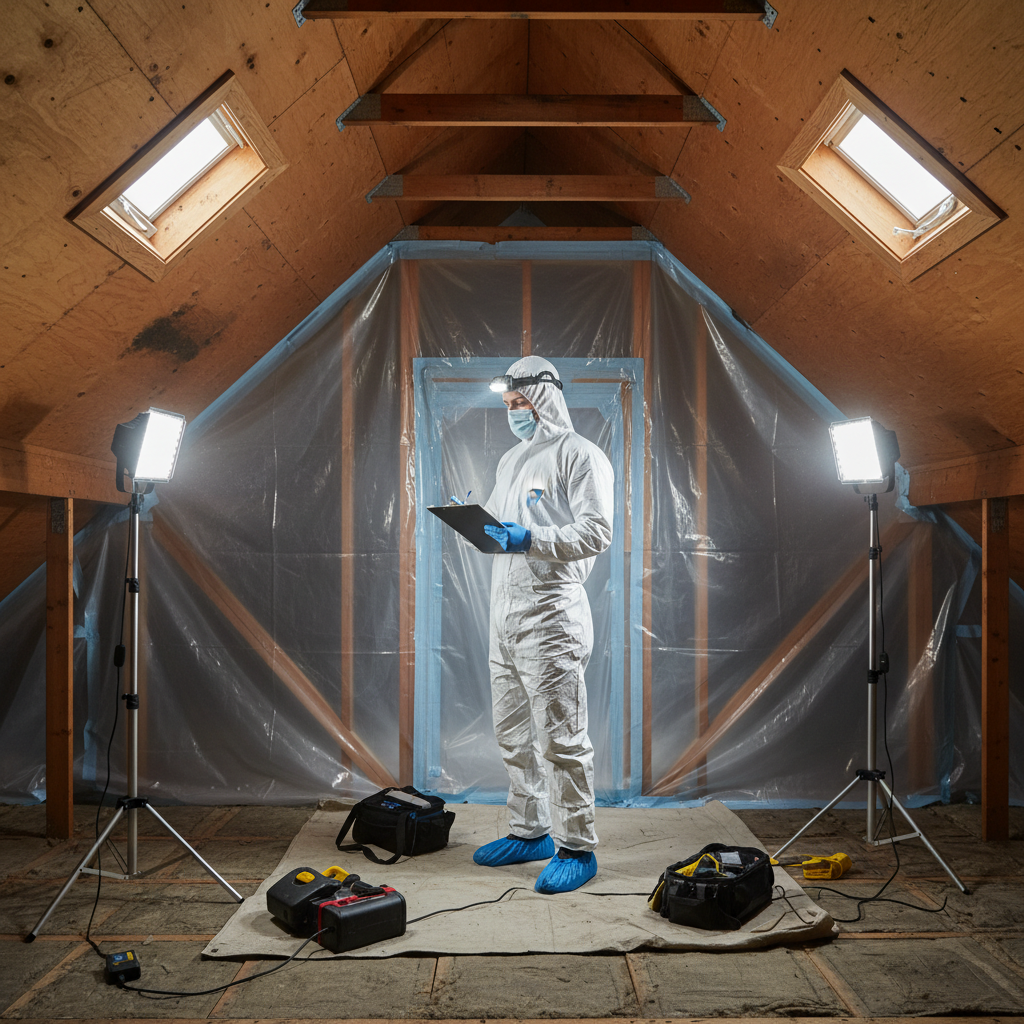
Mold assessment cost refers to the total effort and scope needed to evaluate mold risks, confirm growth, and map moisture sources. For Ontario homeowners and property pros near 1225 Kennedy Rd in Scarborough, the smartest path is a clear, step-by-step process that starts with a free inspection, then moves into testing only when it adds decision-making value.
By Asmmoldremoval • Last updated: 2026-05-30
At a Glance: Mold Assessment Factors
A thorough assessment weighs location, moisture conditions, visible growth, and the need for lab testing or documentation. In Scarborough and across ON, the clearest path is: free visual screening, targeted moisture diagnostics, and only the lab samples required to make safe, confident decisions for occupants and transactions.
Here’s how a practical, low-stress assessment comes together for homes and businesses in Ontario.
- Start free: Visual inspection and moisture screening to scope the problem.
- Diagnose sources: Track leaks, ventilation gaps, or humidity issues.
- Test with purpose: Use air or surface samples when they change decisions.
- Document well: Provide photos, readings, and a remediation roadmap.
- Prevent recurrence: Pair fixes with ventilation and moisture control.
What Is a Mold Assessment?
A mold assessment is a structured inspection that identifies visible growth, measures moisture, evaluates air and surface conditions, and documents findings for safety and remediation planning. The outcome is a clear report that explains where mold exists, why it formed, and how to correct and prevent it.
In our experience, the best assessments answer three questions fast: What’s impacted, what’s feeding it, and what will stop it for good. We combine visual findings, moisture readings, and—when warranted—lab testing to confirm species and support clearance requirements.
- Scope definition: Rooms, cavities, and assemblies included in the review.
- Moisture mapping: Pinpoint leaks, condensation, or bulk water paths.
- Sampling (as needed): Air, surface, or bulk to validate conditions.
- Risk rating: Prioritize health and material risks by area.
- Action plan: Remediation steps, controls, and prevention measures.
Most single-family assessments wrap in 60–120 minutes, with lab results often returned within two to three business days when sampling is performed. Elevated indoor humidity (commonly over 60%) and wood moisture content above ~16–20% are frequent red flags we document and address.
Why Mold Assessment Matters
Assessment matters because mold feeds on moisture and time. Within 24–48 hours of water intrusion, spores can colonize porous materials. A disciplined inspection and testing plan verifies health risks, limits damage, accelerates remediation, and supports real estate disclosures and insurance documentation.
Left unchecked, hidden moisture drives recurring growth and expensive material loss. We’ve seen attic sheathing rebound when ventilation is corrected and moisture sources are fixed early. Conversely, delayed action can force more invasive removal. Good documentation keeps projects efficient and protects transactions.
- Health and IAQ: Confirms if spore levels and fragments are elevated indoors.
- Damage control: Moisture above safe thresholds speeds decay and odor.
- Project clarity: Defines containment, HEPA tactics, and work sequences.
- Real estate readiness: Provides evidence for buyers, sellers, and agents.
- Warranty alignment: Supports post-remediation verification and certificates.
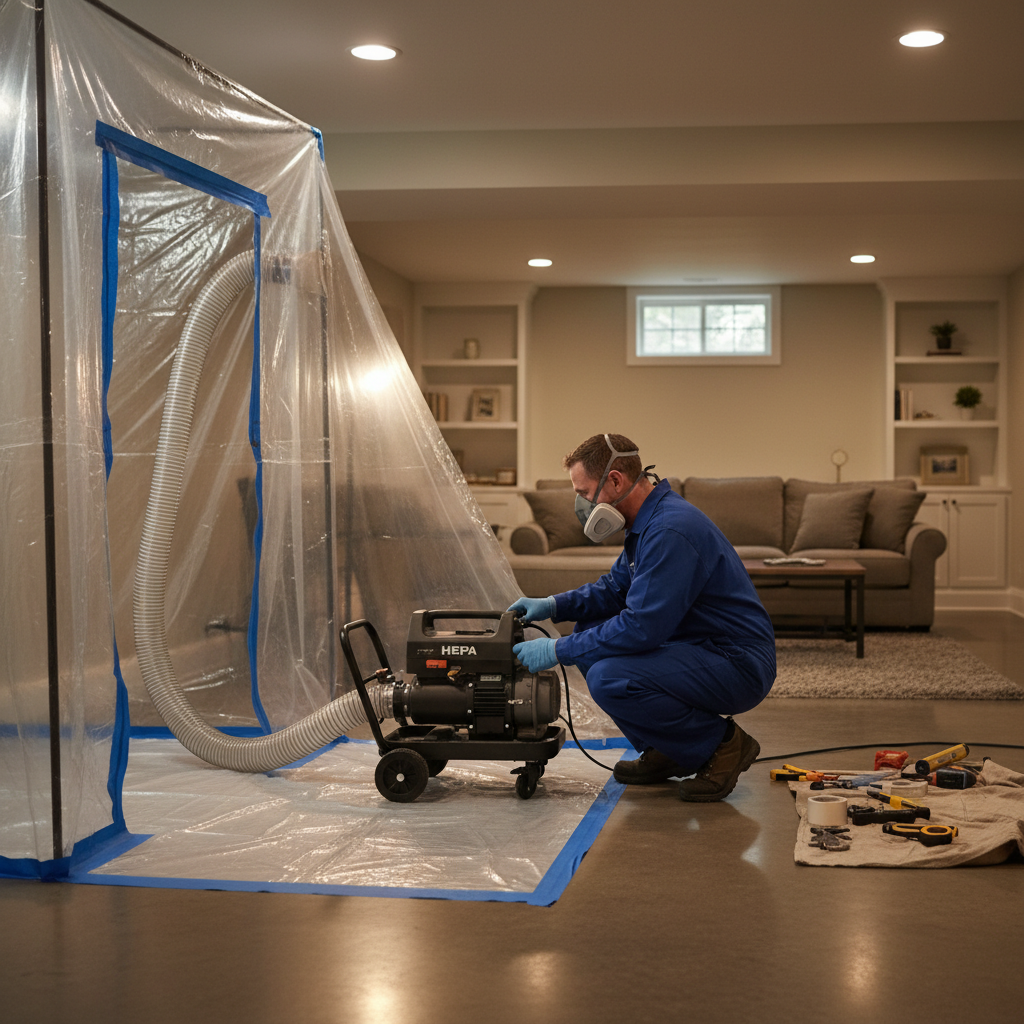
Typical residential containments aim for strong air exchange via negative pressure; during remediation we often design for 4–6 air changes per hour inside containment to control particles while work proceeds safely.
How a Professional Assessment Works (Step-by-Step)
A professional assessment follows a repeatable workflow: intake and history, visual inspection, moisture diagnostics, optional sampling, clear reporting, and prevention recommendations. Each step reduces uncertainty and ensures you only test where results influence next actions.
- Discovery intake: Brief call about symptoms, leaks, odors, or health concerns.
- Visual walkthrough: Attics, baths, basements, crawl spaces, and mechanicals.
- Moisture mapping: Meter readings for wood, drywall, and flooring; thermal imaging to find cold, damp anomalies. A 10–15°F temperature differential improves thermal contrast for hidden moisture.
- Targeted sampling: Air spore traps (often 75 L draw per sample), surface swabs or tape lifts, and occasional bulk pieces.
- Interpretation: Compare indoor to outdoor and reference conditions; identify moisture drivers and material impacts.
- Report & plan: Photos, readings, lab data (if any), and a remediation roadmap with prevention measures.
| Step | What We Do | Tools We Use | Why It Matters |
|---|---|---|---|
| Visual | Survey high-risk zones | Lighting, borescopes | Find visible growth and conditions |
| Moisture | Measure materials & map sources | Moisture meters, IR camera | Confirm the cause so fixes last |
| Sampling | Collect targeted evidence | Spore traps, swabs | Support decisions and documentation |
| Reporting | Explain findings clearly | Photos, charts, readings | Aligns actions with the risks |
On small homes, we often sample 2–4 interior locations plus outdoors for comparison, when sampling is appropriate. Basements with past water events frequently show higher moisture variance; we log readings to guide drying and removal decisions.
Testing Types and Methods (When—and When Not—to Test)
Test only when results change decisions. Air samples capture airborne spores; surface samples confirm growth on materials; moisture and thermal scans reveal the source. Together, these tell you what’s present, where it came from, and which fixes will prevent recurrence.
Testing isn’t a checkbox—it’s a tool. We recommend sampling when occupants have symptoms, when visible growth isn’t clear, when HVAC involvement is suspected, or when transactions require third-party evidence.
- Air spore traps: Snapshot of airborne spores; compare indoors to outdoors for context.
- Surface swabs/tape lifts: Confirms if discoloration is mold and which genera are present.
- Bulk samples: Small material pieces for lab analysis when needed.
- Moisture content: Wood and gypsum readings; wood above ~16–20% suggests risk.
- Thermal imaging: Finds cold, damp patterns from leaks or condensation.
A technical overview from Resolve Mass Spectrometry explains material moisture analysis fundamentals used in many building assessments. For context on bathroom drivers that elevate indoor humidity, a homeowner guide from Everest Plumbing summarizes common moisture sources in wet rooms.
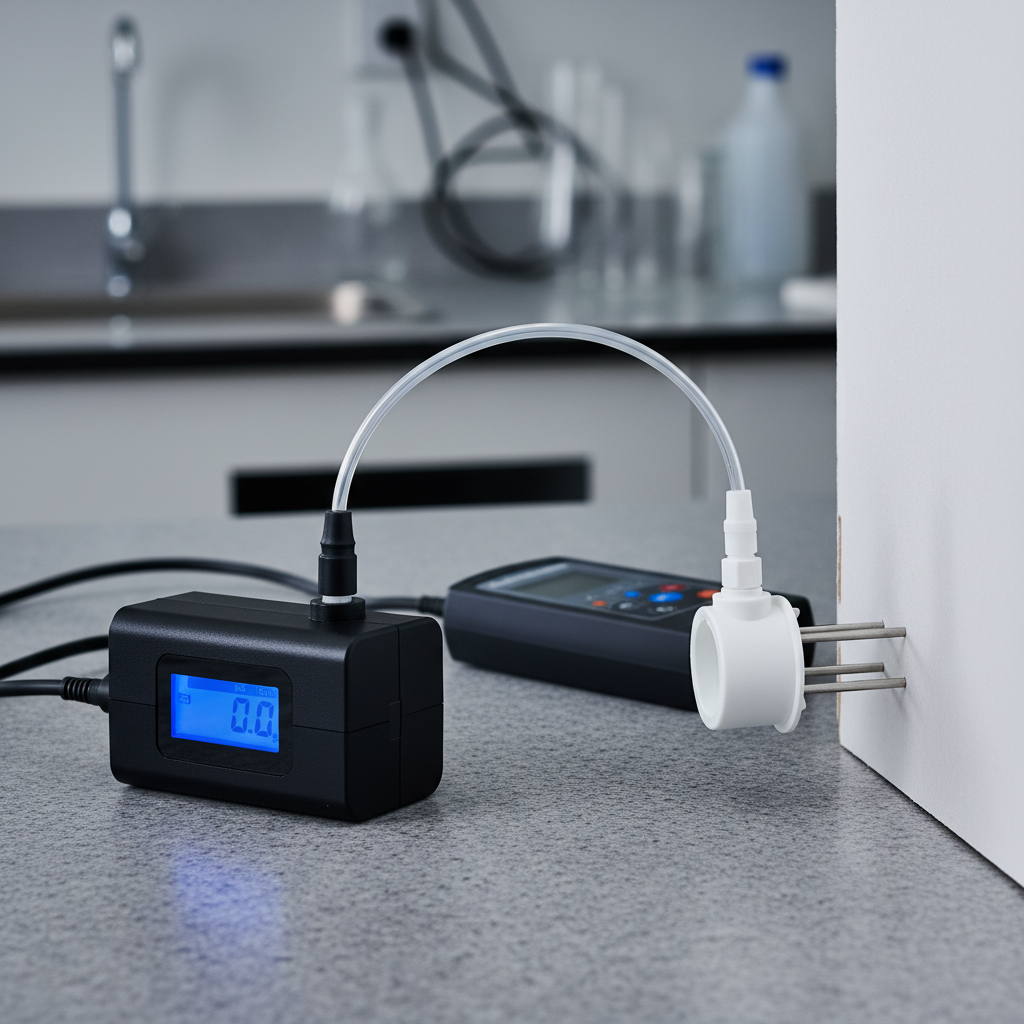
Expect lab turnaround in roughly two to three business days for standard spore trap and surface analyses. We time reports so homeowners, buyers, and agents can proceed without unnecessary delays.
Mold Assessment Cost Factors (Value Without Guesswork)
The investment depends on scope, risk, access, and documentation needs. Start with a free visual and moisture screening; then add only the sampling and reporting required to inform remediation and support health or real estate decisions. That sequence lowers stress and avoids unnecessary steps.
Here’s how we help you get clarity without surprises.
- Property size and access: Larger footprints, high attics, or tight crawl spaces add time.
- Moisture complexity: Single leak vs. multi-point condensation or drainage issues.
- Sampling volume: Only as many samples as decisions require; fewer when findings are conclusive visually.
- Documentation depth: Basic summary vs. detailed report with photos, charts, and lab appendices.
- Timeline needs: Real estate deadlines or medical concerns can require expedited coordination.
In our Ontario projects, many attic assessments link back to ventilation or roof leaks; once the moisture path is corrected, remediation holds. Drywall, sheathing, and framing respond well when we keep relative humidity under ~50% during drying and maintain negative pressure where removal occurs.
Tools, Standards, and Resources We Rely On
We use calibrated moisture meters, thermal imaging, borescopes, and professional spore-sampling systems, supported by HEPA filtration and clean containment practices. The combination ensures accurate findings, cleaner remediation, and documentation that stands up to buyer, seller, and insurer scrutiny.
- Meters & imaging: Pin/probe and non-invasive moisture meters; IR cameras for hidden anomalies.
- Sampling gear: Calibrated pumps, spore cassettes, sterile swabs, and chain-of-custody protocols.
- Containment & HEPA: Poly barriers, negative air machines, and air scrubbers during remediation.
- Dehumidification: RH targets below ~50% stabilize materials and deter regrowth.
- Reporting: Photo logs, moisture maps, and clear next-step plans.
If a lab is involved, choose one with clear chain-of-custody and method transparency. A selection guide from Resolve Mass outlines principles—like accreditation and documented methods—that also apply when selecting analytical partners for indoor air and surface samples.
Case Studies and Real-World Scenarios
Real homes and businesses in Ontario show why a measured process works. Start with moisture, test with purpose, and document clearly. The result is faster remediation, lower disruption, and durable prevention—especially in attics, basements, and crawl spaces.
Scarborough attic: ventilation + roof leak
- Signal: Musty odor after spring rains; sheathing discoloration near the ridge.
- Findings: Wood moisture ~18% at peak; bath fan terminating into attic; minor roof leak.
- Action: Ventilation balance restored, leak sealed; targeted surface sampling confirmed mold presence.
- Outcome: Remediation with HEPA containment; post-drying readings under 12%; warranty issued.
Brampton basement: past water event
- Signal: Efflorescence on foundation wall; elevated odor on humid days.
- Findings: Variable drywall moisture (spot highs); air sample indoors above outdoor reference.
- Action: Baseboard removal and selective drywall cuts; dehumidification to < 50% RH.
- Outcome: Clearance sampling normalized; prevention plan with drainage upgrades.
Commercial office: HVAC concern
- Signal: Staff symptoms in one zone; visible dust on diffusers.
- Findings: Supply trunk condensation; surface tape lifts identified growth on liner.
- Action: Localized duct cleaning and insulation repair; targeted air and surface re-testing.
- Outcome: IAQ improved; documentation satisfied building management.
Crawl space: seasonal humidity
- Signal: Mustiness rising into living areas during summer peaks.
- Findings: High RH (>60%) with cool ducts; wood moisture elevated near vents.
- Action: Vapor barrier repairs, dehumidifier, and duct insulation; limited surface sampling to confirm reduction.
- Outcome: Odors resolved; readings stabilized under 50% RH through the season.
Across these scenarios, the pattern holds: diagnose moisture first, test to answer specific questions, and keep documentation tight so remediation stays focused and efficient.
Best Practices for Homeowners, Buyers, and Agents
Treat assessment as decision support. Photograph leaks early, keep humidity under control, and request only the testing that impacts next steps. Strong prevention—ventilation, drainage, and insulation—protects both health and home value.
Practical steps you can take now
- Ventilate smartly: Ensure bath and kitchen fans vent outdoors; verify attic intake and exhaust balance.
- Control humidity: Aim for indoor RH between 40–50% year-round; use a hygrometer to track it.
- Act fast on leaks: Dry porous materials within 24–48 hours to limit colonization risk.
- Document issues: Photos and dates help us correlate moisture spikes and plan sampling.
- Plan for clearance: When selling, align assessment and remediation with disclosure timelines.
Local considerations for Scarborough
- Seasonal humidity swings can push indoor RH above comfort levels; monitor basements closely during summer.
- Freeze–thaw cycles stress roof systems; schedule attic checks after heavy winter and spring weather.
- Older homes may have bathroom fans venting into attics; correcting this is critical to long-term prevention.
If you’re comparing approaches, review our company background and service scope on the About page, explore our Ontario-wide services on the homepage, or request scheduling on our Contact page.
Request a Same-Day Mold Assessment
Need clarity fast? We provide Ontario-wide, same-day visual screenings with moisture diagnostics. When testing adds value, we perform targeted sampling and deliver clear, actionable reports that support remediation and real estate decisions.
We specialize in attics, basements, crawl spaces, and HVAC-related concerns—and we back remediation with a Mold Remediation Warranty Certificate. Start with a quick conversation, then we’ll build the right plan together.
Frequently Asked Questions
Common questions focus on timing, sampling needs, and what happens if mold is confirmed. Here are crisp answers you can use to plan next steps with confidence.
How long does a mold assessment take?
Most single-family assessments take 60–120 minutes, depending on access and scope. If we take samples, lab turnaround for standard air and surface tests is often two to three business days. We time reporting so you can move forward without unnecessary delays.
Do I always need air testing?
Not always. We test when results change decisions—such as unclear visible growth, suspected HVAC involvement, health concerns, or when a transaction needs documentation. Otherwise, visual findings and moisture data can be enough to drive remediation confidently.
What happens if you find mold?
We’ll map the affected areas, identify the moisture source, and present a remediation plan with containment, HEPA filtration, and prevention steps. After cleanup and drying, we can perform verification steps and provide documentation that supports your records and transactions.
Can you assess an attic in winter?
Yes. Winter is ideal for spotting condensation and ventilation issues. We often see frost or damp sheathing beneath cold roof decks. Correcting bath fan terminations and balancing intake/exhaust ventilation reduces recurring winter moisture and protects roof systems.
Will I need to leave my home during assessment?
No. Assessments are non-invasive. If remediation follows, we’ll outline containment and protection measures. Many projects maintain safe occupancy, but we’ll discuss options if work areas or sensitivities suggest temporary relocation is a better choice.
Key Takeaways
Prioritize moisture diagnostics, sample only when results change your plan, and document clearly. This reduces uncertainty, speeds remediation, and supports health and real estate goals across Ontario.
- Start with free visual screening and moisture mapping.
- Use targeted sampling to answer specific questions.
- Keep indoor RH around 40–50% to deter regrowth.
- Design remediation with proper containment and HEPA.
- Document findings to protect transactions and warranties.
Conclusion: Choose Process Over Guesswork
A calm, evidence-led mold assessment keeps your project efficient and protects your investment. Focus on moisture causes, test with purpose, and insist on clear documentation—then remediation holds and warranties stand up.
Ready for clarity? Visit our homepage to see our Ontario-wide services, learn more on the About page, or request help on the Contact page. We serve Scarborough and communities across Ontario with same-day response.