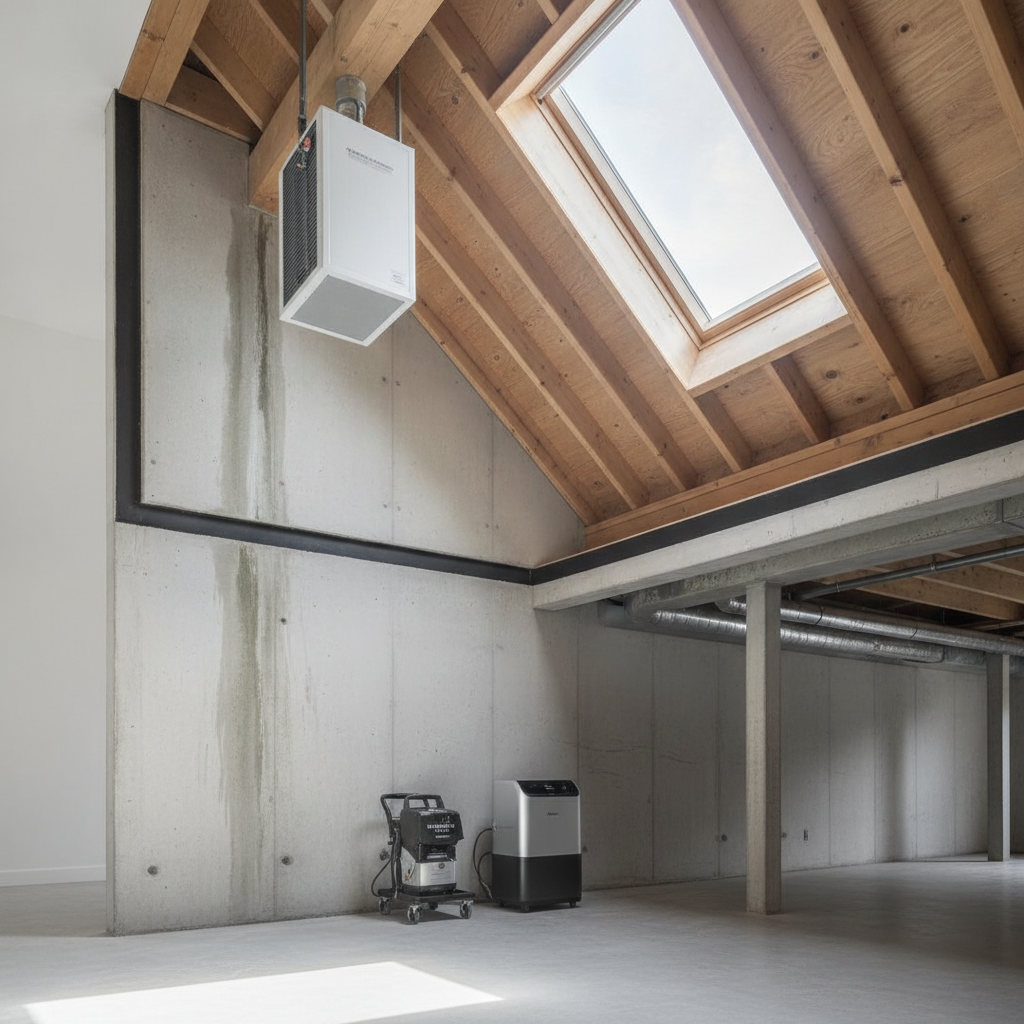
Mold and moisture are tightly linked: excess indoor humidity or water intrusion supplies the conditions mold needs to grow within 24–48 hours. Managing leaks, airflow, and relative humidity (30–50%) breaks that cycle. At our Scarborough ON base, ASM Mold Removal Inc. uses inspection, testing, containment, HEPA filtration, and EPA-approved treatments to stop growth and prevent recurrence.
By Amardeep Mamidi — ASM Mold Removal Inc.
Last updated: June 22, 2026
Overview: Mold and Moisture at a Glance
Mold thrives when buildings trap moisture from leaks, condensation, or high humidity. Keep indoor relative humidity between 30% and 50%, dry water intrusions within 24–48 hours, and improve ventilation to reduce risk. In Scarborough, ON homes and businesses, routine inspections and fast leak repair are the simplest ways to prevent recurring mold.
Here’s what you’ll get from this complete guide and how to use it today.
- Clear definitions of mold, dampness, and how moisture fuels growth
- Why mold and moisture control matter for health, structure, and real estate
- How growth happens (and how to interrupt each step)
- Common moisture types: leaks, vapor, condensation, capillary action
- Best practices for prevention, mitigation, and documentation
- Tools we use: thermal imaging, moisture meters, HEPA, negative air, dehumidifiers
- Ontario-focused tips, Scarborough nuances, and real case examples
At a Glance (Table of Contents)
- What is mold and moisture?
- Why it matters
- How mold growth happens
- Types of moisture problems
- Best practices
- Tools and resources
- Case studies
- FAQ
- Key Takeaways
- Conclusion & next steps
What Is Mold and Moisture?
Mold and moisture refers to the cause-and-effect relationship where damp materials or elevated humidity enable mold spores to germinate, colonize, and release particles. Mold needs water, organic material, and suitable temperatures. Controlling moisture—leaks, condensation, and vapor—is the decisive lever for prevention.
Mold is a natural fungus that digests organic matter. Indoors, it targets paper-faced drywall, wood framing, attic sheathing, carpet backing, and dust.
- Moisture sources: liquid water (leaks), capillary wicking, air leaks moving humid air, vapor diffusion, and condensation on cool surfaces.
- Time-to-growth: wet, nutrient-rich materials can show visible mold in as little as 24–48 hours if air is stagnant and RH stays high.
- Typical risk zones: attics (roof leaks, poor ventilation), basements (foundation seepage), crawl spaces (earth moisture), bathrooms (steam), and HVAC systems (condensate).
ASM Mold Removal Inc. serves homeowners and commercial facilities across Ontario. Our work starts with a free inspection and moisture assessment, then moves to targeted remediation and long-term prevention planning tailored to your space.
For background on laboratory moisture analysis methods you may hear about, see this overview of moisture content analysis and related moisture determination concepts used in material science, as well as thermogravimetric analysis basics.
Why Mold and Moisture Matter
Uncontrolled moisture degrades indoor air quality, weakens structures, and complicates real estate transactions. Drying within 24–48 hours, maintaining 30–50% RH, and documenting remediation protect health, property value, and compliance. The fastest win is to stop the water source and ventilate.
When moisture lingers, two things happen: materials soften and microbial growth accelerates. You feel it as musty odors, allergy-like irritation, or visible staining.
- Health and comfort: damp interiors often correlate with respiratory complaints; keeping RH under 50% and exhausting showers and cooking steam helps many households breathe easier.
- Structural durability: prolonged dampness can lead to wood decay and drywall delamination; even 1–2% extra moisture content in wood over time matters.
- Transaction confidence: for buyers, sellers, and agents, clear documentation, photos, and a Mold Remediation Warranty Certificate reduce surprises and delays.
Our Ontario clients rely on us for discreet commercial remediation as well—offices, retail, warehouses, schools, and healthcare—where uptime and occupant safety are non-negotiable. We stage containment, use negative air pressure, and schedule work to minimize disruption.
How Mold Growth Happens (and How to Stop It)
Mold growth follows a sequence: moisture intrusion, wetting of porous materials, spore germination, colonization, and spread. Interrupt any one stage—remove water, dry materials to safe moisture content, filter airborne particles, and apply EPA-approved treatments—to halt growth and prevent return.
Think in systems. Moisture enters, materials get wet, air holds humidity, and spores ride airflows. Break the loop with targeted controls.
- Moisture intrusion: fix the source. Roof leak, foundation seepage, plumbing drip, or condensation on cold ducts—address cause first.
- Drying window: aim to dry porous materials within 24–48 hours. Use dehumidifiers, fans in non-contained areas, and warm air to accelerate evaporation.
- Airborne spore control: deploy HEPA air scrubbers and negative pressure containment to prevent cross-contamination during cleanup.
- Surface decontamination: HEPA vacuum, clean, and apply antimicrobial solutions compatible with the substrate; avoid harsh chemistry that damages finishes.
- Verification: confirm dryness with moisture meters and, when required, perform air quality testing to document safe conditions.
For attics, ventilation and insulation balance is critical. In basements and crawl spaces, ground moisture and thermal bridging often drive condensation—solved with drainage, air sealing, and dehumidification.
Types of Moisture Problems We See Most
Most indoor mold issues trace back to four moisture types: bulk water leaks, capillary wicking, air-transported humidity, and surface condensation. Identify the dominant mechanism, then pair it with the right fix—repair, drainage, air sealing, vapor control, or dehumidification—to eliminate the root cause.
Common Sources
- Bulk water: roof and flashing leaks, ice dam melt, plumbing failures, foundation cracks.
- Capillary action: moisture wicking through masonry into sill plates and drywall bottoms.
- Air-transported vapor: humid air leaking into attics, wall cavities, and crawl spaces through gaps and penetrations.
- Condensation: cold corners, single-pane windows, uninsulated ducts, and thermal bridges that drop surface temperatures below dew point.
Where It Shows Up
- Attics: dark staining on roof sheathing, frosty nails in winter, musty insulation.
- Basements: efflorescence on walls, damp carpet edges, rusting fasteners.
- Crawl spaces: earthy odors, cupped hardwood above, visible growth on joists.
- Bathrooms/Kitchens: peeling paint, chronic grout discoloration, swollen MDF.
- HVAC: slime in condensate pans, dust-loaded coils, microbial films inside ducts.
How We Pair Causes to Fixes
| Moisture Type | Primary Fix | Support Actions | Typical Indicators |
|---|---|---|---|
| Bulk leaks | Repair/replace roof or plumbing; improve drainage | Dry within 24–48 hrs; verify with moisture meter | Drips, stained drywall, swollen trim |
| Capillary wicking | Capillary break, sill gasket, interior perimeter drain | Dehumidify; raise baseboards; use non-paper-faced drywall | Baseboard staining, musty odor at floor |
| Air-transported vapor | Air seal penetrations; balance ventilation | Insulate ducts; manage RH 30–50% | Attic sheathing stain, frosty nails |
| Condensation | Insulate cold surfaces; add continuous ventilation | Warm air mixing; control indoor RH | Window sweat, cold-corner mold specks |
Not sure which mechanism you have? Start with a free inspection. Our team documents sources, reads moisture content, and photographs conditions so you can act with confidence.
Best Practices to Control Mold and Moisture
The best prevention plan is simple: stop water entries, keep RH at 30–50%, ventilate high-moisture rooms, and verify dryness with instruments. Combine source repair with air sealing, insulation, and dehumidification. Document every step so future buyers and insurers have proof of proper remediation.
Core Habits
- Fix leaks fast: roofs, plumbing, and window flashings—don’t wait. Dry porous items within 24–48 hours.
- Vent bathrooms and kitchens: duct exhausts outdoors; run fans 20–30 minutes after showers/cooking.
- Keep RH in range: target 30–50% indoors; use dehumidifiers in basements and crawl spaces.
- Insulate cold surfaces: pipes, ducts, rim joists, and attic hatches to reduce condensation.
- Filter and contain during cleanup: HEPA air scrubbers and negative pressure prevent spread.
Local considerations for Scarborough
- Cold winters drive attic condensation; ensure balanced attic ventilation and air sealing of ceiling penetrations.
- Spring thaw and summer humidity raise basement RH; run dehumidifiers and check exterior grading after snowmelt.
- Rapid weather swings can stress roofs; schedule seasonal roof and flashing checks to catch leaks early.
When to Call ASM Mold Removal Inc.
- Persistent musty odor after cleaning and fan use.
- Visible growth larger than a small patch, or recurring stains.
- After a water event (leak, burst pipe, roof failure) you couldn’t dry within 24–48 hours.
- During real estate transactions where documentation and a Warranty Certificate reduce risk.
We start with free inspections and moisture assessments, then propose remediation using containment, HEPA filtration, and eco-friendly, EPA-approved products—plus long-term prevention upgrades.
Tools and Resources We Use to Find and Fix Moisture
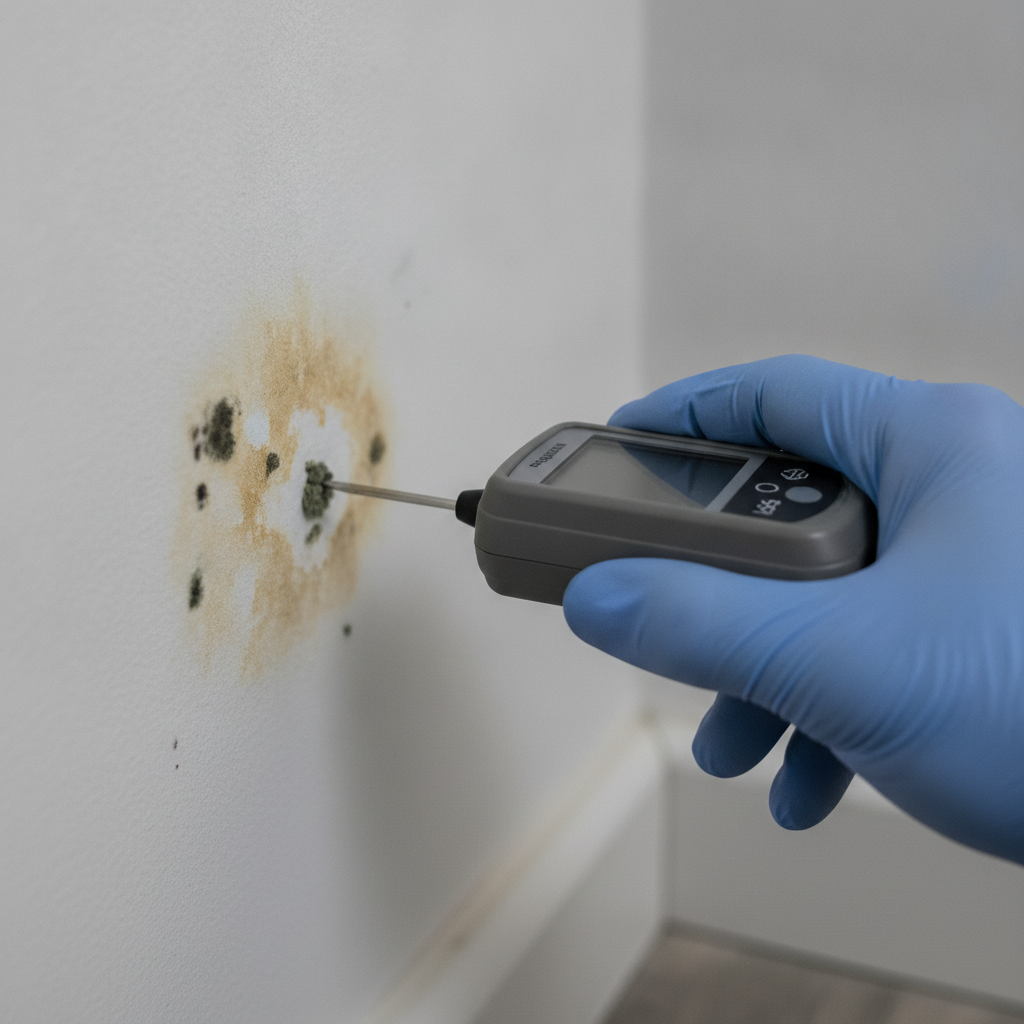
Professional tools make invisible moisture visible. We use pin and pinless moisture meters, thermal imaging, hygrometers, HEPA air scrubbers, negative air machines, and purpose-built dehumidifiers. Readings guide targeted repairs, speed drying, and verify that materials reach safe moisture content before we close up.
Measurement turns guesswork into a plan. Here are the instruments and how they help.
- Moisture meters (pin/pinless): check drywall, wood, and subfloors to confirm drying progress and safe endpoints.
- Thermal imaging: reveals hidden cold spots and wet insulation behind finishes.
- Hygrometers/data loggers: track ambient RH and temperature to validate 30–50% targets.
- HEPA air scrubbers: capture fine particles during demolition and cleaning.
- Negative air machines: maintain pressure so contaminants don’t escape containment.
- Dehumidifiers: size for cubic footage and grain depression to dry efficiently.
For readers curious about laboratory-grade moisture content concepts used in materials work, see this primer on moisture content analysis and this page on moisture determination methods. A related approach is described in TGA moisture analysis.
Process We Follow (Step-by-Step)
- Free inspection: document conditions, measure moisture, and photograph affected areas. See our service overview.
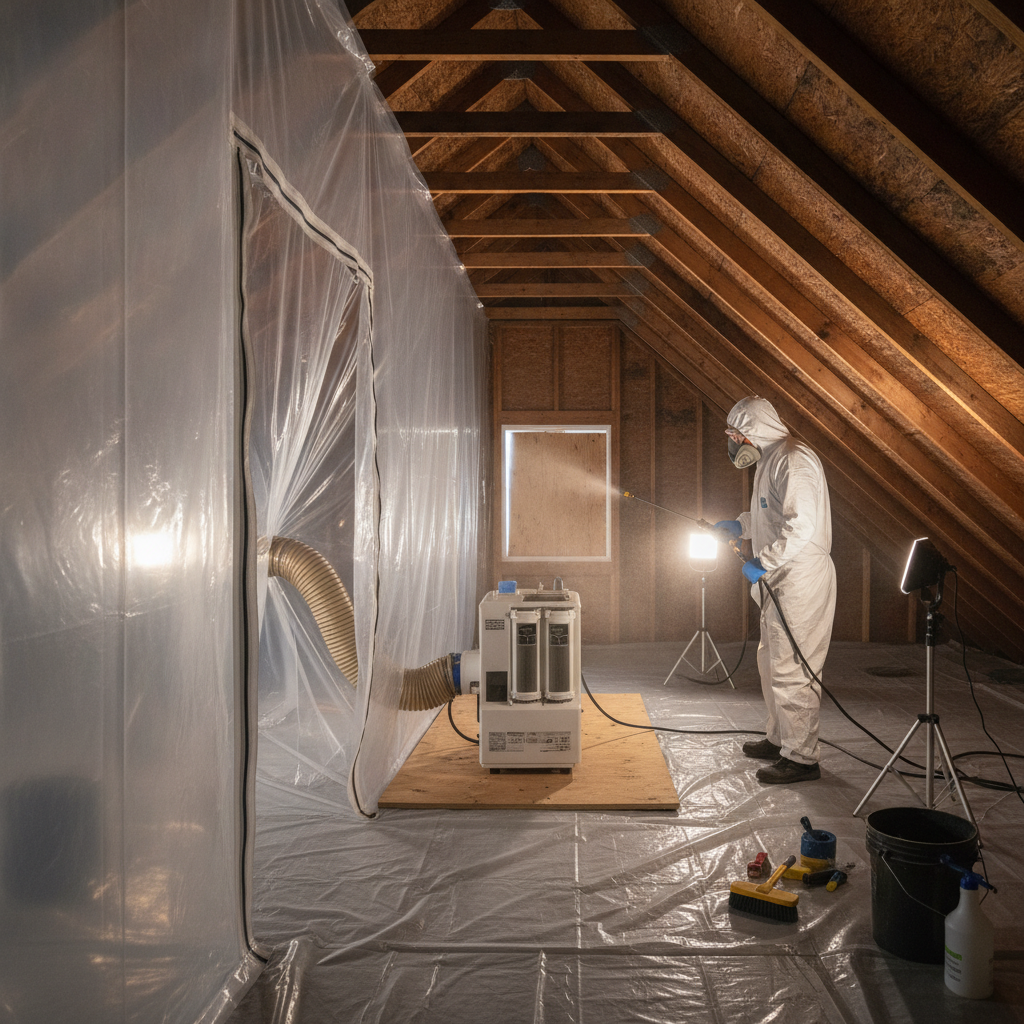
- Plan and contain: define work zones, install plastic barriers, set negative air.
- Remove and clean: controlled removal of damaged materials; HEPA vacuum and antimicrobial cleaning.
- Dry and verify: dehumidify to reach safe moisture content; confirm with instruments.
- Restore and prevent: repair finishes; improve ventilation, insulation, and air sealing.
- Document and warrant: provide photos and a Mold Remediation Warranty Certificate.
Case Studies and Ontario Examples
Real projects show that stopping water, drying quickly, and documenting results works. In Ontario attics, balancing ventilation and sealing ceiling leaks resolves winter condensation. In basements, dehumidifiers plus drainage lower RH to 30–50%, cutting musty odors and halting recurring growth.
Attic Mold Remediation (Residential)
- Problem: winter frost on nails and dark sheathing stains above bathrooms.
- Findings: bath fan vented into attic; air leaks around recessed lights; under-insulated hatch.
- Action: containment, HEPA, antimicrobial treatment; rerouted fan outdoors; sealed penetrations; added insulation; verified RH.
- Result: odor eliminated; no frost the following winter; Warranty Certificate issued.
Basement & Crawl Space Cleanup (Residential)
- Problem: musty smell after rainy weeks; cupping wood floors above crawl space.
- Findings: high ground moisture; uninsulated rim joists; RH consistently >60%.
- Action: perimeter drainage check, dehumidifier, air sealing, insulation upgrades, cleaning, and targeted removal.
- Result: RH stabilized at 40–50%; floor cupping reversed; stable readings on moisture meters.
Commercial Remediation (Office)
- Problem: recurring stains on ceiling tiles near HVAC.
- Findings: condensate overflow and poorly insulated ductwork causing localized condensation.
- Action: after-hours containment and HEPA, coil cleaning, drain repair, duct insulation, verification tests.
- Result: no new stains after 90 days; improved comfort feedback from occupants.
Mid-Article CTA
If you’re seeing stains or smelling mustiness, schedule your free inspection today. Visit our contact page or learn more about our team. We provide Ontario-wide, same-day response for urgent issues.
Frequently Asked Questions
Homeowners ask the same core questions: how fast mold grows, what humidity is safe, whether they can clean it themselves, and when to call a professional. Below are concise answers you can act on today, with clear thresholds and next steps for Ontario homes and businesses.
How fast does mold grow after a leak?
Under the right conditions, mold can begin to grow within 24–48 hours on porous materials like drywall, paper, and wood. Dry the area quickly using dehumidifiers and airflow, and address the water source immediately. If odor or staining persists, book a professional inspection.
What is a safe indoor humidity level?
Aim for 30–50% relative humidity indoors. Use exhaust fans during showers and cooking, run a dehumidifier in basements, and improve air sealing and insulation to reduce condensation on cold surfaces.
Can I clean small mold patches myself?
For small, non-porous surfaces, you can often clean visible spots using proper PPE and disposal. However, recurring growth, musty odors, or affected porous materials warrant professional remediation with containment and HEPA filtration to avoid spreading spores.
When should I request mold testing?
Request testing when health sensitivities are a concern, growth is suspected in hidden cavities, or documentation is required for real estate or insurance. Testing complements inspection by confirming airborne concentrations and verifying post-remediation conditions.
Do attics need remediation if stains are old?
If staining is inactive and moisture sources are fixed, remediation may focus on cleaning and prevention. If active growth, odor, or high moisture persists, plan a full attic remediation with ventilation balance, air sealing, and verification readings.
Key Takeaways
Moisture control is mold control. Fix water sources, dry quickly, ventilate high-moisture rooms, and verify results with instruments. Document work to protect health, value, and sale readiness. When in doubt, get a free inspection to pinpoint causes and plan prevention.
- Target 30–50% RH indoors and dry wet materials within 24–48 hours.
- Attics need balanced ventilation and ceiling air sealing to prevent winter condensation.
- Basements and crawl spaces benefit from dehumidifiers, drainage, and insulation at cold surfaces.
- Containment and HEPA filtration prevent cross-contamination during cleanup.
- Documentation and a Warranty Certificate build confidence for real estate transactions.
Conclusion and Next Steps
Stop the water, dry fast, and verify. That’s the playbook. Pair repairs with ventilation, insulation, and dehumidification to hold 30–50% RH. If you smell mustiness or see stains, schedule a free inspection and moisture assessment to get a clear, warrantied path forward.
Ready to break the cycle of mold and moisture? Connect with ASM Mold Removal Inc. for a same-day evaluation anywhere in Ontario. Start with our service overview or head straight to our contact page to book. Prefer to learn more first? Visit the About page to see how we work and what to expect.