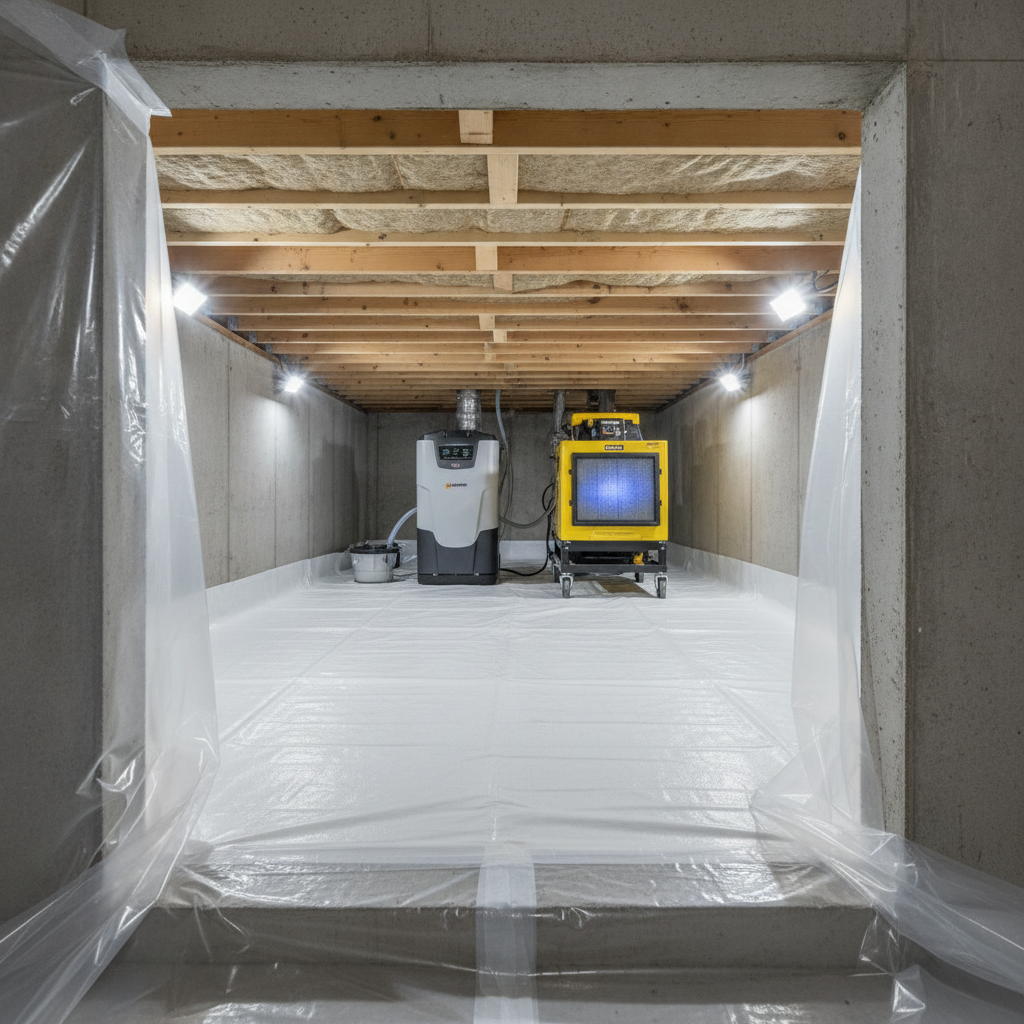
Crawl space mold removal cost refers to the total investment to assess moisture, contain contamination, remove growth safely, and prevent it from coming back. In Scarborough, the biggest drivers are access, moisture severity, and whether encapsulation or repairs are required. ASM Mold Removal Inc. streamlines this with free inspections, same-day response, and warranty-backed remediation.
By Asmmoldremoval • Last updated: July 7, 2026
Above-Fold Essentials: What actually drives crawl space mold spend
The biggest drivers of crawl space mold costs are moisture severity, square footage, access constraints, and add-ons like encapsulation or insulation replacement. Professional crews assess, contain, HEPA-filter, and treat surfaces, then address moisture so mold doesn’t return. Choosing certified, insured specialists prevents do-over work and protects indoor air.
You want a crisp answer at the top. Here it is—what changes the scope (and therefore your investment):
- Moisture severity: Active leaks, condensation, or saturated soil increase steps and time.
- Area and access: Low clearance, tight entries, and long hose runs add setup and crew effort.
- Material mix: Wood joists, subfloor, concrete, and insulation each need different handling.
- Controls and prevention: Encapsulation, dehumidification, and ventilation upgrades reduce future risk.
- Repairs: Framing, insulation, vapor barrier, and drainage fixes may be required.
ASM Mold Removal Inc. serves homeowners and real estate stakeholders who need quick, documented, warranty-backed results. Our teams pair HEPA filtration and containment with eco-friendly, EPA-approved products—and we back the work with a Mold Remediation Warranty Certificate.
Quick Summary
Crawl space mold projects include inspection, containment, removal, treatment, and moisture control. The most common add-ons are encapsulation, insulation replacement, and drainage improvements. ASM Mold Removal Inc. offers free inspections, same-day response across Ontario, and warranty documentation for peace of mind.
- What you’ll learn: How scope is determined, which methods are used, and how to reduce rework.
- Who this helps: Scarborough homeowners, buyers/sellers, and property managers needing fast, documented results.
- How we work: Free inspection and moisture assessment, clear plan, safe remediation, and long-term prevention.
- Proof you can use: Before/after visuals, moisture readings, air quality testing when needed, and a warranty certificate.
- Timeframes: Setup often same day; remediation typically scheduled promptly to minimize disruption.
Local considerations for Scarborough
- Seasonal humidity swings can spike crawl space condensation. Plan inspections after major thaws or heavy rain.
- Freeze-thaw cycles stress exterior drainage. Recheck downspouts and grading each spring to curb moisture.
- Busy family schedules matter. ASM coordinates discrete, efficient visits to reduce disruption to daily routines.
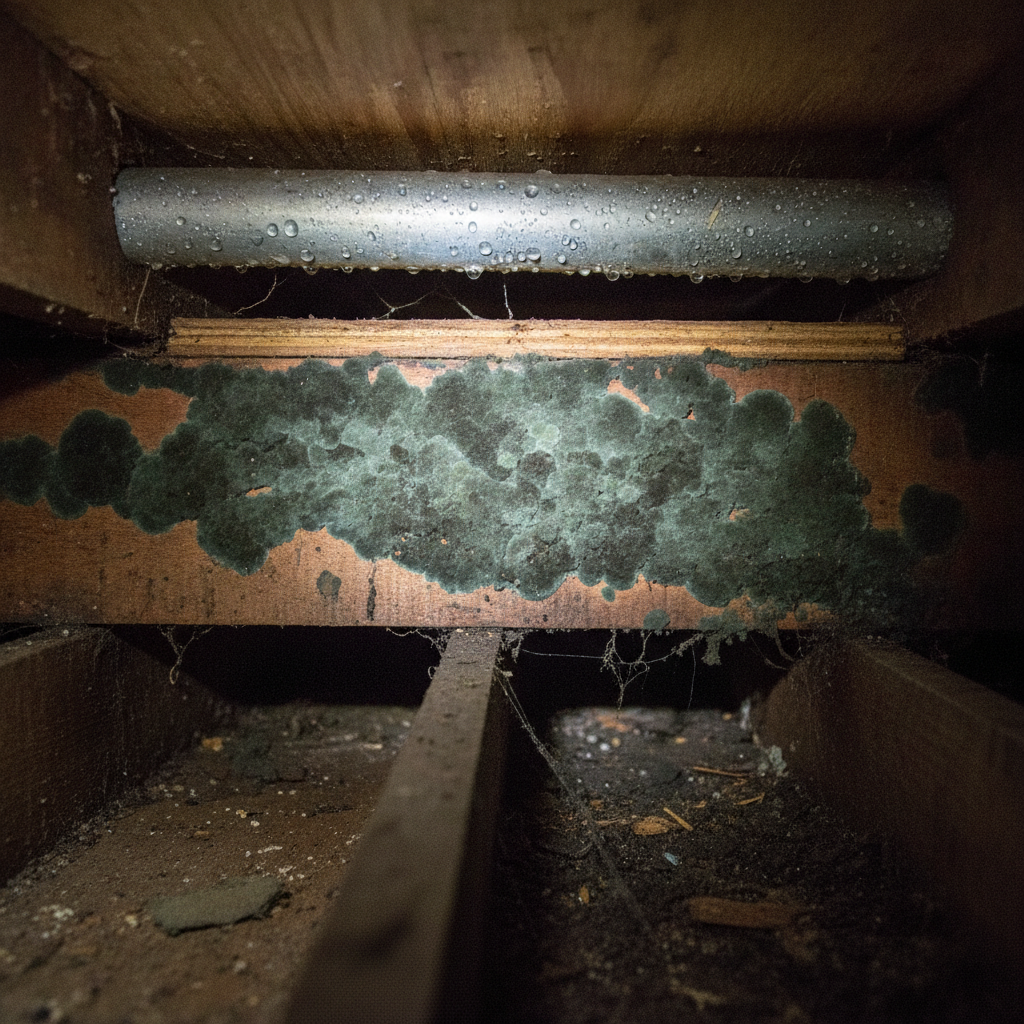
What is crawl space mold removal cost?
Crawl space mold removal cost is the total effort to inspect, contain, remove, treat, and prevent mold in hard-to-reach underfloor areas. It reflects moisture severity, access, materials, and prevention steps like encapsulation or dehumidification that stop regrowth.
When people ask about crawl space mold removal cost, they’re really asking about scope. Scope is shaped by moisture drivers, contamination level, and the preventive work needed so you don’t repeat the job. In our experience, three scope pillars control everything: cause identification, safe removal, and durable prevention.
- Cause identification: Moisture readings, thermal imaging, and visual inspection pinpoint leaks, condensation, or soil vapor intrusion.
- Safe removal: Containment with negative air, HEPA filtration, and professional PPE protect occupants and technicians.
- Durable prevention: Encapsulation, dehumidification, insulation correction, and ventilation balance keep humidity in check.
ASM Mold Removal Inc. delivers all three pillars under one roof—inspection and testing, remediation, moisture control, and when needed, repair and restoration. That integration matters because fragmented projects often miss the root cause.
Why investing in crawl space mold remediation matters
Crawl space mold threatens indoor air, wood framing, and home value. Proper remediation fixes contamination and the moisture source, protecting health, structure, and future sale readiness. Documentation and warranties reduce deal friction for buyers and insurers.
Here’s the thing—crawl spaces breathe with your home. Air moves upward through the stack effect, so what happens below travels inside. That’s why hidden mold can correlate with musty odors, aggravated allergies, and persistent dust.
- Health and comfort: Cleaner underfloor air helps reduce odors and irritants that enter living areas.
- Structural resilience: Surface decay and fastener corrosion start small; unchecked humidity accelerates damage to joists and subfloors.
- Real estate confidence: Buyers, agents, and lenders prefer a clear inspection report, photographs, and a warranty certificate.
- Insurance alignment: Clear documentation and moisture readings support claims after water incidents.
Our Scarborough teams frequently support time-sensitive transactions where a crawl space is the last barrier to closing. Fast, discrete service—plus a Mold Remediation Warranty Certificate—gives all parties confidence that active mold has been addressed.
How professional crawl space remediation works
Professionals inspect and measure moisture, isolate the crawl space with containment and negative air, remove visible growth, treat and clean surfaces, then correct humidity with encapsulation and ventilation. The result: safer air and reduced chance of recurrence.
Step-by-step process
- Free inspection and assessment: Visual survey, moisture mapping, and optional air sampling when indicated.
- Containment and negative air: Seal access and vents; set up HEPA air filtration to protect living spaces.
- Source control: Address leaks, condensation on cold pipes, or drainage contributing to high humidity.
- Removal and cleaning: HEPA vacuuming, careful agitation, and wet-wipe/antimicrobial application per material type.
- Drying and dehumidification: Stabilize relative humidity; balance ventilation as needed.
- Encapsulation (as needed): Install durable vapor barrier; seal seams and piers; detail around utilities.
- Verification and documentation: Photos, readings, and a Mold Remediation Warranty Certificate from ASM.
What makes ASM’s approach different
- Ontario same-day response: We mobilize quickly to reduce spread and limit disruption.
- Eco-forward chemistry: EPA-approved, non-toxic treatments chosen for the substrate and condition.
- Full-service capability: From insulation removal to minor repairs and restoration, one team handles it.
- Transparent planning: Clear scopes, prep instructions, and occupant safety steps before work starts.
Want a walkthrough of how this would look in your home? Reach our Scarborough team via our contact page and ask for a crawl space assessment window that fits your schedule.
Factors that drive crawl space mold removal cost
Cost drivers include contamination level, square footage, clearance and access, material types, add-ons like encapsulation, and required repairs. Projects that fix the moisture source while removing mold prevent repeat work and deliver better long-term value.
Scope and effort multipliers
- Contamination level: Light surface growth vs. widespread colonization on joists, subfloor, and insulation.
- Footprint and height: Larger or tighter spaces increase setup time, tool changes, and crew movement.
- Access complexity: Narrow hatches, long hose runs, or steep grades extend containment and logistics.
- Material sensitivity: Raw wood, OSB, and fiberglass respond differently to cleaning methods.
- Moisture correction: Dehumidification, pipe insulation, drainage, and grading work reduce humidity load.
- Encapsulation detail: Vapor barrier thickness, seam sealing quality, and pier wrapping level.
- Verification needs: Air sampling or clearance reports when transactions or policies require proof.
Process table: how each factor affects the work
| Factor | Why it matters | What pros consider | Signs you may need it |
|---|---|---|---|
| Moisture severity | Drives amount of cleaning and prevention needed | Leak history, RH readings, condensation points | Drips, musty odor, rust on fasteners |
| Clearance & access | Impacts containment setup and crew productivity | Hatch size, crawl height, hose/equipment paths | Tight entry, long distance from driveway |
| Material types | Changes tools and chemistry selection | Wood vs. concrete vs. insulation | Dark staining on joists, soggy batts |
| Encapsulation | Locks soil vapor out and stabilizes humidity | Barrier thickness, seam/edge detailing | Exposed soil, seasonal dampness |
| Repairs | Prevents recontamination and structural issues | Insulation, vapor barrier, minor framing | Torn poly, missing insulation |
| Verification | Confirms remediation success and safety | Moisture readings, visual checks, sampling if needed | Real estate, insurance, or medical sensitivities |
Scope clarity is your best cost control. Our free inspection produces a remediation plan you can understand—what we’ll do, why it matters, and how we’ll keep mold from returning.
Methods and materials used in crawl spaces
Effective crawl space remediation combines containment, HEPA filtration, targeted surface cleaning, antimicrobial application, and moisture control. Where appropriate, encapsulation and insulation correction complete the system so humidity stays in check year-round.
Containment and filtration
- Poly containment: Isolates the work zone; protects living areas from dust and spores.
- Negative air with HEPA: Continuous capture of disturbed particles during cleaning.
- Entry management: Zippered barriers and decon protocols minimize cross-contamination.
Surface cleaning and treatment
- HEPA vacuuming: First pass to remove loose material and settled dust.
- Damp wiping: Substrate-appropriate wipe-downs, especially on joists and subfloor.
- Antimicrobial application: EPA-approved products tailored to the material and condition.
Moisture control and prevention
- Pipe insulation: Stops recurring condensation on cold lines.
- Dehumidification: Stabilizes relative humidity inside the crawl space envelope.
- Encapsulation: Durable vapor barrier over soil; sealed seams and piers; detailed edges.
- Ventilation balance: Right-sizing airflow so the space neither dries out nor saturates.
ASM integrates these methods with optional inspection and testing steps when conditions or transaction needs call for formal clearance.
Best practices to control scope and get lasting results
Control scope by fixing moisture first, insisting on containment and HEPA filtration, and selecting certified, insured pros who document every step. Add encapsulation and dehumidification when humidity risk remains. These steps reduce callbacks and protect your home.
- Diagnose first: Have moisture readings and a clear root-cause narrative before removal begins.
- Insist on containment: Ask how the team will isolate the crawl space and protect living areas.
- Treat the system: Address plumbing, drainage, insulation, and vapor barrier—not just visible spots.
- Document everything: Photos, meter readings, and post-project notes simplify real estate and insurance needs.
- Plan prevention: Encapsulation, dehumidifiers, and ventilation adjustments keep humidity stable through seasons.
In our Scarborough projects, we often discover two to three moisture pathways working together—like a slow exterior drainage issue plus uninsulated cold pipes. Addressing both at once prevents surprise returns.
Tools and resources homeowners should know
Moisture meters, thermal imaging, HEPA air scrubbers, negative-air machines, dehumidifiers, and vapor barriers are core tools. Understanding what each does helps you evaluate plans and ask better questions before work starts.
- Thermal camera: Finds cold spots from missing insulation or hidden moisture.
- Pin/pinless meters: Measure wood and surface moisture for baseline and verification.
- HEPA air scrubbers: Continuously capture disturbed particles during removal.
- Negative-air setup: Creates pressure to keep contaminants in the work zone.
- Dehumidifiers: Stabilize RH to curb mold-friendly conditions.
- Vapor barrier materials: From basic poly to reinforced liners for encapsulation.
Planning a basement renovation and want to understand moisture interactions? These Ontario-focused guides discuss related building considerations: see this basement renovations guide, this plan costs step-by-step, and this overview of legal basement requirements. While not mold manuals, they highlight how moisture and permits affect projects.
Pricing (without numbers): how to read a remediation plan
Review the plan for moisture fixes, containment, surface treatment steps, prevention add-ons, and documentation. Ask how each line item reduces recurrence and protects indoor air. Transparent scopes help you compare value without fixating on a single line.
- Look for root-cause fixes: Drainage, pipe insulation, and dehumidification reduce future risk.
- Confirm safety steps: Containment, negative air, PPE, and HEPA cleaning should be explicit.
- Assess durability: Encapsulation details (seams, piers, edges) and barrier thickness matter.
- Expect verification: Moisture readings and visuals demonstrate success; sampling if conditions require.
- Check credentials: Certified, insured teams reduce liability and rework.
When bids look very different, compare the moisture plan, prevention measures, and documentation. The lowest scope today can become the highest spend tomorrow if the root cause remains.
Case studies: Scarborough crawl space scenarios
These brief Scarborough scenarios show how scope changes with conditions. Each case follows ASM’s sequence: diagnose moisture, set containment and HEPA, remove and treat, then stabilize humidity with prevention steps aligned to the home.
1) Condensation on cold water lines
- Symptoms: Drips on pipes, patchy mold on nearby joists, musty odor in first-floor closet.
- Plan: Insulate cold lines, HEPA clean and treat affected wood, add targeted dehumidification.
- Outcome: Odor dissipated after stabilization; follow-up readings confirmed controlled humidity.
2) Seasonal soil vapor & damp soil
- Symptoms: Damp ground in spring, widespread discoloration on lower joists near vents.
- Plan: Encapsulation with sealed seams, pier wrapping, and edge detailing; HEPA clean and treat.
- Outcome: Humidity flattened through summer; living-area dust reduced after work.
3) Hidden exterior drainage issue
- Symptoms: After heavy rain, moisture readings spike; insulation batts damp at perimeter.
- Plan: Temporary protection, targeted removal/treatment, referral for exterior grading/downspout fixes.
- Outcome: Post-fix readings stabilized; no return of staining at 6-month check.
Need help triaging your situation? Visit our About page to see how ASM coordinates inspections, remediation, and documentation under one provider.
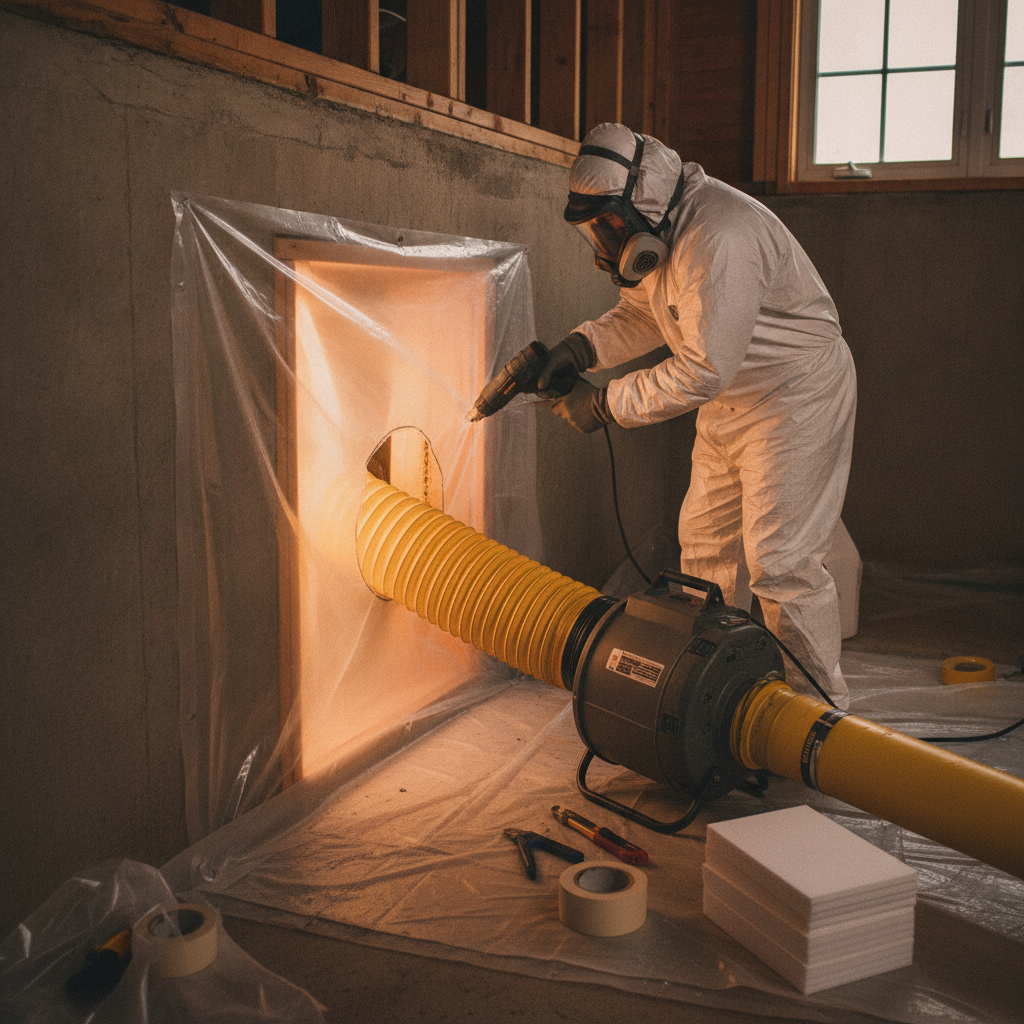
Free crawl space assessment
Get a same-day, no-cost inspection in Scarborough with clear next steps and a prevention plan. We’ll outline containment, removal, and humidity control tailored to your home.
Frequently Asked Questions
Homeowners ask about timelines, DIY safety, encapsulation, and documentation. Professional teams prioritize containment, HEPA filtration, and moisture control. Here are concise answers to the most common questions we hear in Scarborough homes.
How long does crawl space mold remediation usually take?
Setup and containment can be completed promptly, with removal and treatment following the plan’s scope. Projects are scheduled to minimize disruption, and prevention steps like encapsulation may extend the schedule to ensure humidity is stabilized before verification.
Is DIY crawl space mold removal safe?
Crawl spaces are confined, dusty, and often damp—conditions that call for proper containment, HEPA filtration, respiratory protection, and trained handling. For health and safety, most homeowners choose certified, insured pros who can also address moisture so mold doesn’t return.
Do I need encapsulation after removal?
If humidity remains high due to soil vapor, seasonal dampness, or external drainage, encapsulation can stabilize conditions. It adds a durable vapor barrier and detailed sealing around piers and edges, often paired with dehumidification for year-round control.
What documentation should I expect?
Expect a clear scope of work, photo documentation, moisture readings before and after, and, when indicated, air sampling results. ASM issues a Mold Remediation Warranty Certificate upon completion and inspection for added assurance during real estate transactions.
How can I prevent mold from coming back?
Keep humidity in check with dehumidification and ventilation balance, maintain drainage and grading outside, insulate cold pipes to stop condensation, and ensure vapor barriers remain intact. Periodic checks after heavy weather help catch small issues early.
Conclusion and next steps
Crawl space mold removal cost is shaped by what it takes to clean safely and prevent regrowth. A clear plan that fixes moisture, documents results, and adds prevention saves time and protects home value. Start with a free inspection to define scope confidently.
- Key takeaways:
- Fix moisture and verify—prevention is the best cost control.
- Containment and HEPA filtration protect your home during work.
- Encapsulation, dehumidification, and ventilation keep humidity stable.
- Documentation and a warranty certificate support real estate needs.
- Next steps:
- Schedule your free crawl space assessment in Scarborough.
- Review the plan’s prevention measures, not just the cleaning steps.
- Keep seasonal humidity and drainage on your maintenance checklist.
Ready to take action? Contact our Scarborough team on the ASM contact page to book a discovery visit on your timeline.