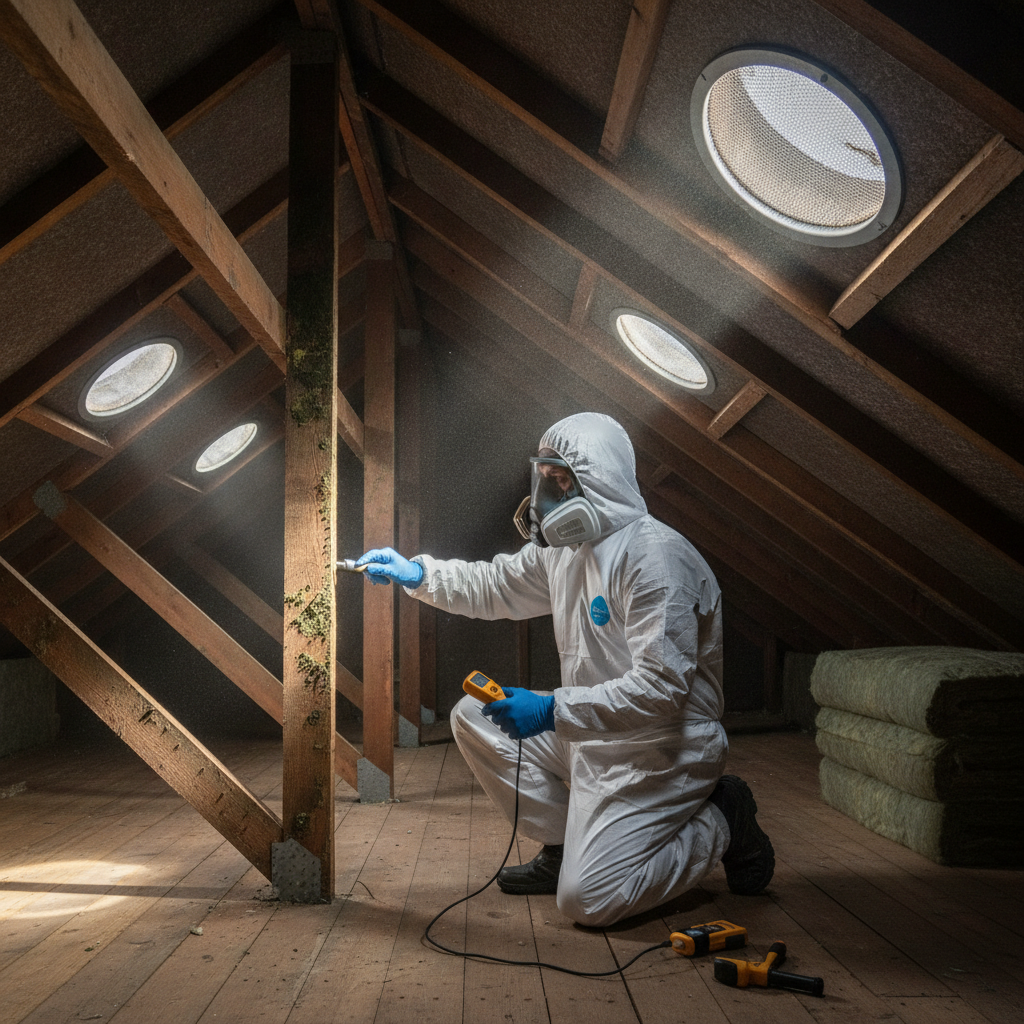
Mold inspection cost refers to the total investment for a professional assessment of moisture, visible growth, and indoor air quality. The cost of mould inspection is driven by property size, sampling scope, diagnostics, and reporting. In Scarborough, reputable providers assess first, then tailor quotes to findings—so you pay for the right scope, not guesswork.
By Asmmoldremoval • Last updated: 2026-06-30
Quick Summary
A thorough mold inspection evaluates moisture sources, visible growth, and indoor air quality to guide safe remediation. The biggest cost drivers are scope (rooms and systems), sampling needs, diagnostic tools, documentation detail, and urgency. In Scarborough, ASM provides free initial assessments and same-day availability, then issues scope-based quotes—not one-size-fits-all pricing.
Here’s what you’ll learn in this complete guide, written for Scarborough homeowners, buyers, sellers, and property managers:
- What a professional mold inspection includes and why it matters
- How inspectors use moisture meters, thermal imaging, and air sampling
- Factors that influence mold inspection cost—without quoting prices
- Which methods fit attics, basements, crawl spaces, and HVAC systems
- How ASM documents results and transitions to remediation with warranty
What Is a Mold Inspection?
A mold inspection is a structured evaluation that confirms if mold is present, identifies the moisture source, and defines a safe plan to address it. Inspectors document conditions, sample air or surfaces when needed, and deliver a clear report that guides remediation and prevention—especially critical for real estate and health-sensitive scenarios.
A true inspection goes beyond “spotting a stain.” It verifies or rules out active growth, quantifies risk, and recommends next steps. For ASM clients, that means:
- Moisture diagnostics: Scanning walls, ceilings, and structural wood with meters to pinpoint damp zones.
- Visual assessment: Checking attics, basements, crawl spaces, bathrooms, and HVAC plenums for visible growth and past water damage.
- Targeted sampling: Air or surface sampling only when it adds clarity (e.g., unexplained odors, hidden cavities, or clearance needs).
- Actionable reporting: Findings summarized, photos included, and remediation recommendations mapped to standards-driven controls.
Why this matters: you don’t just need a yes/no answer—you need the cause, the risk level, and a plan you can act on with confidence.
Why Mold Inspection Matters
Mold spreads where moisture persists, so early inspection prevents wider contamination, building damage, and occupant discomfort. A well-documented inspection also streamlines remediation, speeds real estate timelines, and supports long‑term prevention by addressing the root moisture source—not just surface staining.
In our experience with Scarborough homes and commercial spaces, three realities show up again and again:
- Moisture is the engine: Roof leaks, bathroom exhausts venting into attics, foundation seepage, and HVAC condensate drive recurring issues.
- Documentation reduces friction: Clear findings and photos reduce back-and-forth with buyers, sellers, insurers, and property managers.
- Timing matters: Same-day triage after a leak limits spread, shortens remediation, and protects finishes and framing.
ASM’s free initial assessment and rapid scheduling help Scarborough property owners stop problems before they escalate—then we build a remediation and prevention plan you can execute.
How a Mold Inspection Works (Step-by-Step)
A professional mold inspection follows a structured flow: intake questions, visual and moisture checks, targeted sampling as needed, and a clear report with photos and next steps. The result is a scope you can act on—remediation if required, or prevention if conditions are stable.
- Intake and objectives: We clarify concerns (odors, stains, health symptoms, real estate deadlines) and review any leak history.
- Exterior walkaround: Siding, grading, gutters, and penetrations are checked for pathways that let water in.
- Interior visual scan: Attics, basements, crawl spaces, bathrooms, laundry rooms, and HVAC areas are inspected.
- Moisture mapping: Non-invasive meters and thermal imaging flag damp building materials and hidden condensation points.
- Targeted sampling: Air/spore traps or surface lifts are used when they inform decisions (not by default).
- Documentation: Photos, readings, site notes, and recommendations become a structured report.
- Review and plan: We walk you through results and next steps—remediation, drying, repairs, or prevention.
When remediation is needed, ASM handles containment, HEPA filtration, removal/treatment, and repairs. After completion and inspection, we issue a Mold Remediation Warranty Certificate to document the outcome.

Inspection Types and Methods
Inspectors combine visual assessment, moisture meters, thermal imaging, and lab-backed sampling to confirm conditions and root causes. Choosing the right mix avoids unnecessary tests, speeds answers, and keeps the focus on remediation decisions rather than raw data alone.
Core methods explained
- Visual assessment: Identifies staining, growth patterns, and ventilation issues; guided by building science, not just appearance.
- Moisture metering: Pinpoints elevated readings in drywall, sheathing, subfloors, and framing to locate active failures.
- Thermal imaging: Reveals temperature anomalies that correlate with hidden moisture behind finished surfaces.
- Air sampling: Spore trap cassettes establish indoor vs. outdoor particulate patterns and help with clearance or dispute resolution.
- Surface sampling: Tape lifts or swabs characterize suspect materials, useful in attics, crawl spaces, and HVAC internals.
When to use which
- Attics: Visual + moisture checks are primary; surface sampling clarifies borderline staining on sheathing or rafters.
- Basements: Thermal imaging + moisture mapping trace foundation seepage and cold corners prone to condensation.
- Crawl spaces: Visual + humidity profiling confirm ventilation and ground vapor control; surface sampling as needed.
- HVAC systems: Visual + surface sampling at coils, plenums, and ducts; cleaning may be recommended if contamination is verified.
| Method | Best For | Invasiveness | Typical Duration |
|---|---|---|---|
| Visual Assessment | All areas; first-pass triage | Non-invasive | Short |
| Moisture Metering | Walls, ceilings, framing | Non-invasive | Short |
| Thermal Imaging | Hidden moisture mapping | Non-invasive | Short |
| Air Sampling | IAQ patterns, clearance | Non-invasive | Short to moderate |
| Surface Sampling | Material identification | Low invasiveness | Short |

What Drives the Cost of Mold Inspection
Mold inspection cost is driven by scope (area count and access), diagnostics (thermal imaging, sampling), documentation depth, timeline pressure, and site complexity. Providers issue scope-based quotes because a small attic spot differs greatly from a multi-level moisture investigation.
Scope and access
- Property size and level count: More rooms and floors take more time to map and document.
- Access difficulty: Tight crawl spaces or tall attic voids extend setup, PPE, and inspection time.
- System checks: HVAC internals and concealed chases add complexity and sampling decision points.
Diagnostics and documentation
- Thermal imaging and moisture mapping: Essential where leaks or condensation are suspected behind finishes.
- Targeted sampling: Air and surface tests are used when they clarify health risk, source, or clearance status.
- Reporting depth: Real estate transactions often need more photos, notes, and recommendations.
Timing and coordination
- Urgency: Same-day or after-hours response requires fast mobilization.
- Stakeholders: Coordinating with tenants, property managers, or agents adds time to the process.
- Remediation handoff: When issues are confirmed, a clean transition to containment, HEPA filtration, and treatment saves time downstream.
ASM issues scope-based quotes after a free assessment so Scarborough clients understand exactly what’s included—no assumptions, and no generic flat rates.
Best Practices to Get Maximum Value
You get the best value from a mold inspection when you prepare the site, share history, target sampling to decisions, and demand a clear, photo-rich report. This keeps time focused on solving the problem, not hunting for access or duplicating tests that won’t change the plan.
- Prepare access: Clear attic hatches, utility rooms, and under-sink areas before the visit.
- Share the backstory: Leak dates, musty rooms, prior repairs, and humidity habits guide efficient diagnostics.
- Sample with purpose: Ask how each test will confirm a source, a risk level, or a clearance condition.
- Demand pictures and recommendations: A great report is both a record and a roadmap.
- Think prevention: Ventilation upgrades, dehumidification, and air sealing reduce future remediation needs.
Ready to schedule a free assessment and same-day slot in Scarborough? Start here: book an inspection.
Tools and Resources Inspectors Use
Professional inspections rely on non-invasive meters, thermal cameras, borescopes, and lab-backed sampling media. Combined with strong building-science judgment, these tools isolate moisture sources fast and inform remediation—without unnecessary demolition.
Essential tools
- Pin and pinless moisture meters: Verify wet building materials and track drying progress.
- Thermal imaging cameras: Find cold spots, leaks, and condensation patterns behind finishes.
- Hygrometers: Profile ambient humidity and temperature to spot condensation risks.
- Air pumps and cassettes: Capture airborne particulates for lab analysis when indicated.
- Borescopes/endoscopes: Inspect interior cavities with minimal disruption.
- HEPA vacuums and scrubbers: Used during remediation to protect occupants and contain particulates.
Documentation and assurance
- Photo logs and readings: Support insurance and real estate requirements.
- Remediation scopes: Translate findings into controls: containment, negative air, selective removal, treatment, and verification.
- Mold Remediation Warranty Certificate: Issued by ASM after completion and inspection to document the result.
For broader context on professional cleaning approaches internationally, review these third‑party descriptions of mold cleaning services: overview of mold cleaning methods, regional service example, and a local service listing.
Case Studies: Scarborough Scenarios
Real homes and businesses in Scarborough often present attic ventilation issues, basement seepage, and bathroom exhaust misrouting. These quick case snapshots show how inspection scope translates into decisive remediation plans—without overspending on tests that don’t change outcomes.
Attic sheathing staining in a detached home
- Concern: Dark staining on roof sheathing, musty odor in hallway.
- Findings: Bathroom fan vented into attic; insufficient soffit intake; localized surface growth on sheathing and rafters.
- Actions: Visual + moisture checks; surface sampling at borderline areas; remediation plan with containment, HEPA, antimicrobial treatment, and ventilation corrections.
- Outcome: Post-remediation inspection and Warranty Certificate supplied for home sale package.
Basement finish with hidden condensation
- Concern: Intermittent odor, no obvious leaks.
- Findings: Thermal imaging revealed cold corners and a minor seepage track behind baseboard; elevated meter readings confirmed damp drywall.
- Actions: Targeted air sampling to document indoor pattern; selective removal and treatment plan followed.
- Outcome: Odor resolved; prevention plan added dehumidification and air sealing at rim joists.
Retail tenant with HVAC condensation
- Concern: Staff discomfort near supply diffusers.
- Findings: Visible biofilm at coil; poor condensate management; elevated dust loading in return plenum.
- Actions: Visual + surface sampling inside HVAC; cleaning scope and filtration upgrades; scheduling outside business hours.
- Outcome: Comfort restored with minimal downtime; documentation provided for lease compliance.
Local considerations for Scarborough
- Seasonal freeze–thaw cycles can open small roof and wall gaps; inspect attics and exterior penetrations before peak snowmelt.
- Humid summers elevate basement RH; plan inspections when dehumidifiers can run to stabilize readings and speed decisions.
- For multi-unit properties, coordinate access early to reduce repeat visits and keep inspection scope tight and efficient.
Pricing, Expectations, and How to Decide
Instead of flat numbers, evaluate mold inspection cost by what’s included: moisture diagnostics, appropriate sampling, and a report you can use. Ask providers to explain how each step supports decisions and whether sampling will change the remediation plan or simply document it.
Questions to ask any provider
- Scope clarity: Which areas and systems are included? How long will the inspection take?
- Sampling rationale: Why air or surface sampling here? What decision hinges on the result?
- Reporting: Will I receive photos, readings, and specific recommendations?
- Next steps: If remediation is needed, who manages containment, HEPA, treatment, and repairs?
- Assurance: Do you provide documentation after remediation (e.g., Warranty Certificate)?
If you believe your situation requires urgent attention, ASM offers Ontario-wide same-day response. Use our contact form to request a free initial assessment.
Frequently Asked Questions
These quick answers address the most common questions Scarborough homeowners and property managers ask about mold inspections. For tailored guidance, schedule a free assessment so we can match the scope to your specific space and timeline.
What’s included in a professional mold inspection?
Expect intake questions, visual checks, moisture measurements, and selective sampling when it informs decisions. You’ll receive a photo-backed report with findings and next steps. If remediation is required, we outline containment, HEPA controls, and treatment options.
Do I always need air testing?
No. Air sampling is valuable for clearance, disputed conditions, or hidden-source scenarios. Many attic or visible-surface cases can be scoped through visual assessment and moisture diagnostics without routine air tests.
How long does a mold inspection take?
Most single-family inspections fit within a single visit. Larger, multi-level, or mixed-use properties take longer, especially when HVAC internals, crawl spaces, or multiple sampling points are included.
Can you inspect and remediate with minimal disruption?
Yes. We stage containment thoughtfully, run HEPA filtration, and coordinate timing to limit downtime. For businesses, we often schedule off-hours and provide discrete access routes to keep operations moving.
Conclusion and Next Steps
Treat mold inspection as a decision engine. The right mix of diagnostics and documentation guides safe remediation and long-term prevention—without paying for tests that won’t change the plan. In Scarborough, ASM aligns scope to your site so you invest in answers, not assumptions.
Key takeaways
- Mold inspection cost reflects scope, diagnostics, documentation, and timing—not a one-size sticker.
- Use targeted sampling to answer specific questions; skip tests that don’t affect decisions.
- Photo-rich reporting speeds real estate and insurance workflows.
- Plan prevention: ventilation, humidity control, and sealing stop recurrence.
Action steps
- List your concerns (rooms, odors, leaks) and gather any prior repair history.
- Clear access to attics, basements, mechanical spaces, and suspect surfaces.
- Schedule your free assessment and same-day availability in Scarborough via our contact page.
Have questions about the cost of mould inspection, inspection scope, or documentation for a real estate deal? We’re here to help—book a discovery call in Scarborough today.