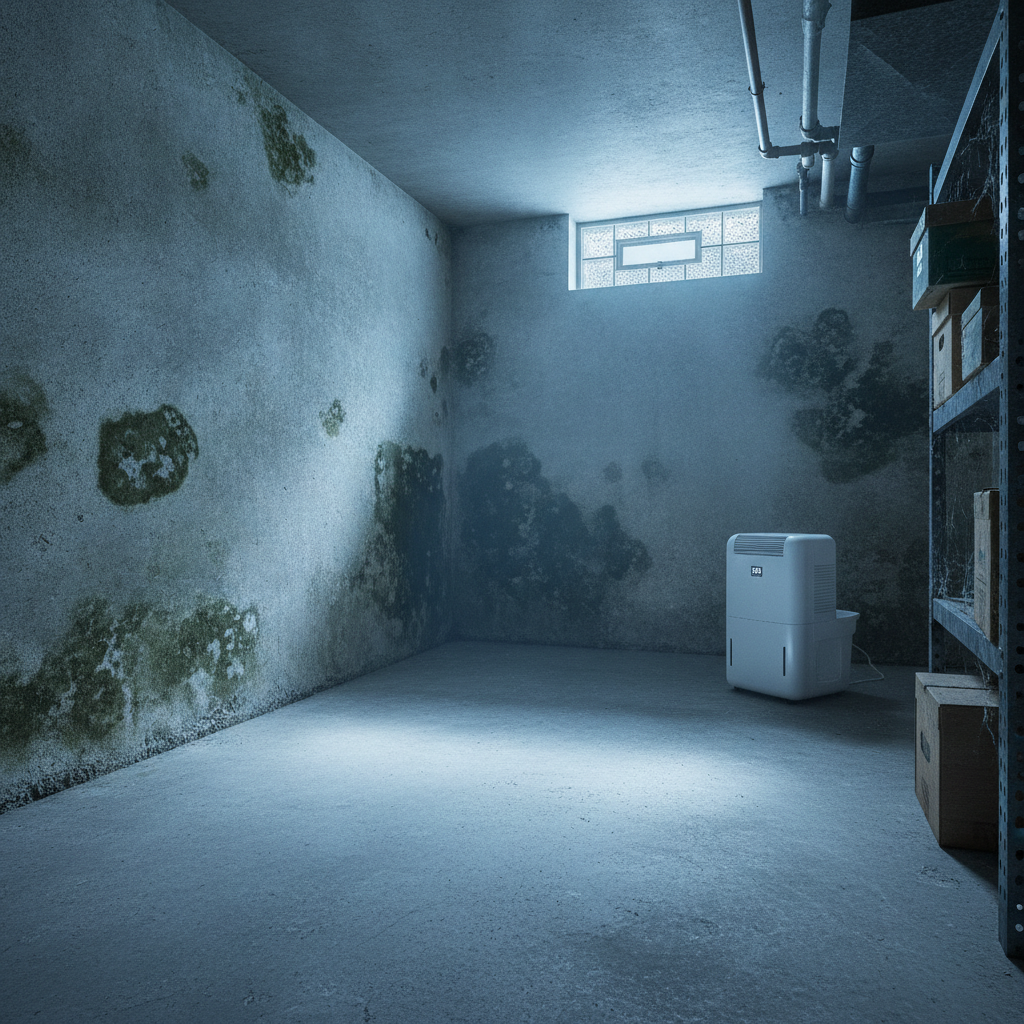
Black mould in a basement is the growth of dark, often slimy fungi (commonly Stachybotrys and Cladosporium) on damp materials like drywall, wood, and concrete. It thrives after leaks or humidity spikes and can trigger respiratory irritation and structural damage. Scarborough homeowners should act quickly with inspection, moisture control, and safe remediation.
By ASM Mold Removal Inc. • Last updated: 2026-06-27
At a Glance
Basement black mould forms when persistent moisture meets porous materials. The fastest path to a safe home is: inspect, contain, remediate, and prevent. ASM Mold Removal Inc. delivers same-day inspections in Scarborough with HEPA filtration, eco-friendly treatments, and a remediation warranty—so your basement returns to healthy, dry, and usable.
Here’s what you’ll get in this guide and service page:
- How to recognize black mould and the health and property risks it brings.
- Prerequisites to start safely: moisture checks, ventilation, and PPE.
- Step-by-step remediation process we follow in Scarborough basements.
- Troubleshooting recurring growth, odors, and hidden moisture.
- Prevention playbook with ventilation and long-term moisture control.
Basement Black Mould Removal—Fast, Safe, Guaranteed
Choose a basement mould removal partner that contains spores, filters the air, and fixes moisture at the source. We provide Ontario-wide, same-day inspections, certified containment, HEPA air filtration, eco-friendly treatments, and a Mold Remediation Warranty Certificate after clearance—so you can use your basement with confidence.
ASM Mold Removal Inc. specializes in inspection, removal, and remediation across Ontario with strong expertise in attics, basements, and crawl spaces. In Scarborough, we prioritize fast response, clean containment, and long-term prevention so mould doesn’t return after the first rain or thaw.
- Same-day inspections: Free visual check and moisture assessment to triage urgency and plan containment.
- Certified technicians: Trained, insured teams using industry-standard protocols and HEPA equipment.
- Eco-friendly methods: Non-toxic, EPA-approved products that are tough on mould and safer for families and pets.
- End-to-end service: From leak detection and attic insulation removal to repairs and restoration if needed.
Ready to get help today? Book a free inspection for your Scarborough basement.
What “black mould in basement” really means
“Black mould in basement” refers to visible dark fungal growth on damp building materials, usually following leaks, flooding, or chronic humidity. The fix requires more than cleaning the stain—it demands moisture control, safe removal, and air filtration to stop spread and recurrence.
Basements are unique microclimates. Cooler air meets warm, moist indoor air, creating condensation on concrete and wood. Add a small leak or a failed sump, and porous surfaces become mould food. That’s why many homeowners notice musty odors before spotting growth on sill plates, joists, drywall paper, or behind storage.
- Common triggers: Foundation seepage, plumbing leaks, wet carpets, dryer vents leaking into the room, and poor dehumidification.
- Typical locations: Bottom edge of drywall, behind baseboards, rim joists, cold corners, around floor drains and HVAC returns.
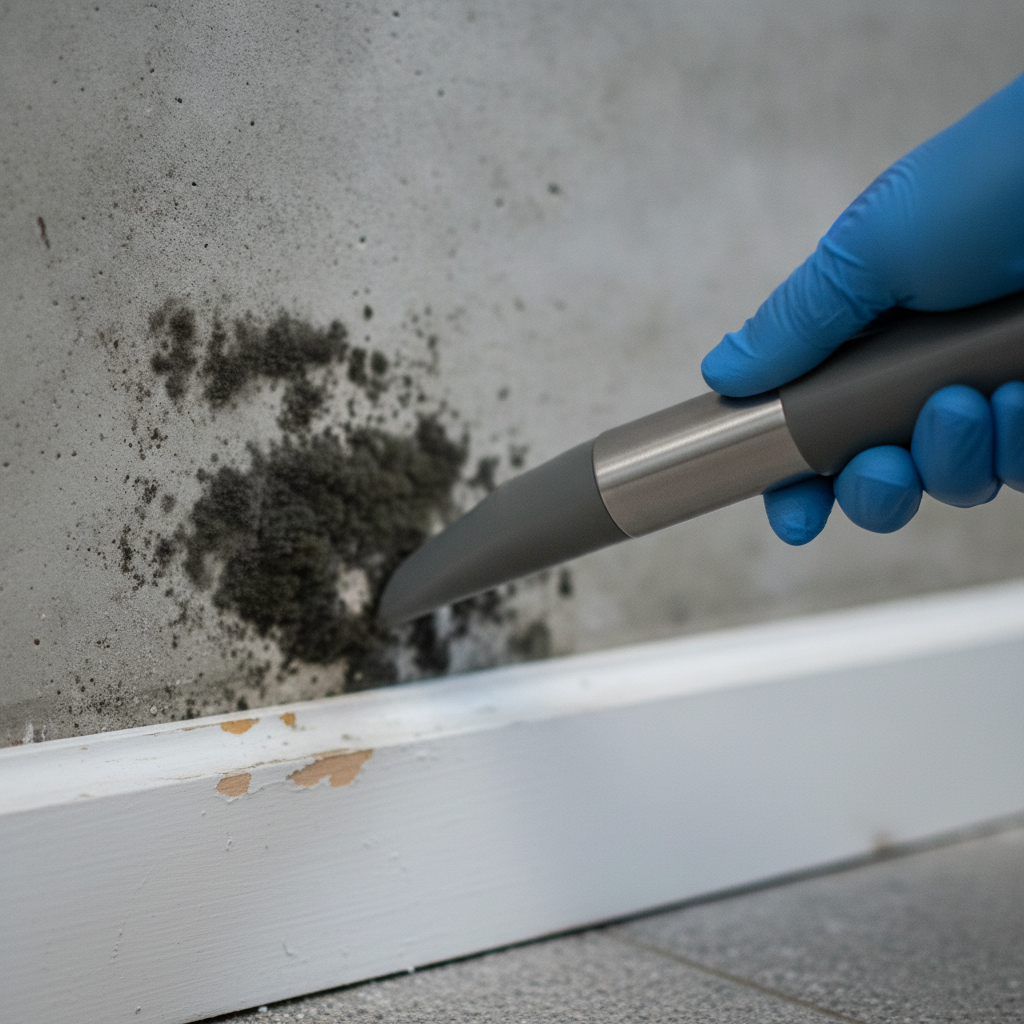
- First signs: Musty smell, allergy-like symptoms indoors, condensation on windows or pipes, and dark spotting that smears when wiped.
Prerequisites: what to do before any cleanup
Before disturbing basement mould, stabilize moisture, protect yourself, and plan containment. Shut down air movement, suit up with PPE, stop active water, and pre-stage HEPA filtration. This prevents spore spread and keeps you and your family safe during remediation.
Safety and planning
- Pause air movement: Turn off central HVAC serving the basement to avoid distributing spores.
- Personal protective equipment (PPE): Wear an N95 or elastomeric respirator, goggles, and gloves. Cover skin with disposable suits if disturbing growth.
- Moisture stabilization: Address ongoing water—tighten plumbing, wet-vac standing water, and run a dehumidifier to target 40–50% RH.
- Inspection baseline: Note where growth is visible and where moisture readings are elevated; photograph for documentation.
- Clear access: Move porous storage items out of the work zone to reduce cross-contamination.
When to call professionals
- Widespread growth: If the affected surface area is significant or involves HVAC, professional containment and HEPA filtration are critical.
- Health sensitivities: Households with asthma, allergies, or immune concerns should avoid DIY disturbance.
- Real estate timelines: For transactions, third-party testing and documentation help ensure smooth closings.
Need a same-day basement assessment in Scarborough? Schedule your inspection and moisture check now.
Our step-by-step basement mould remediation process
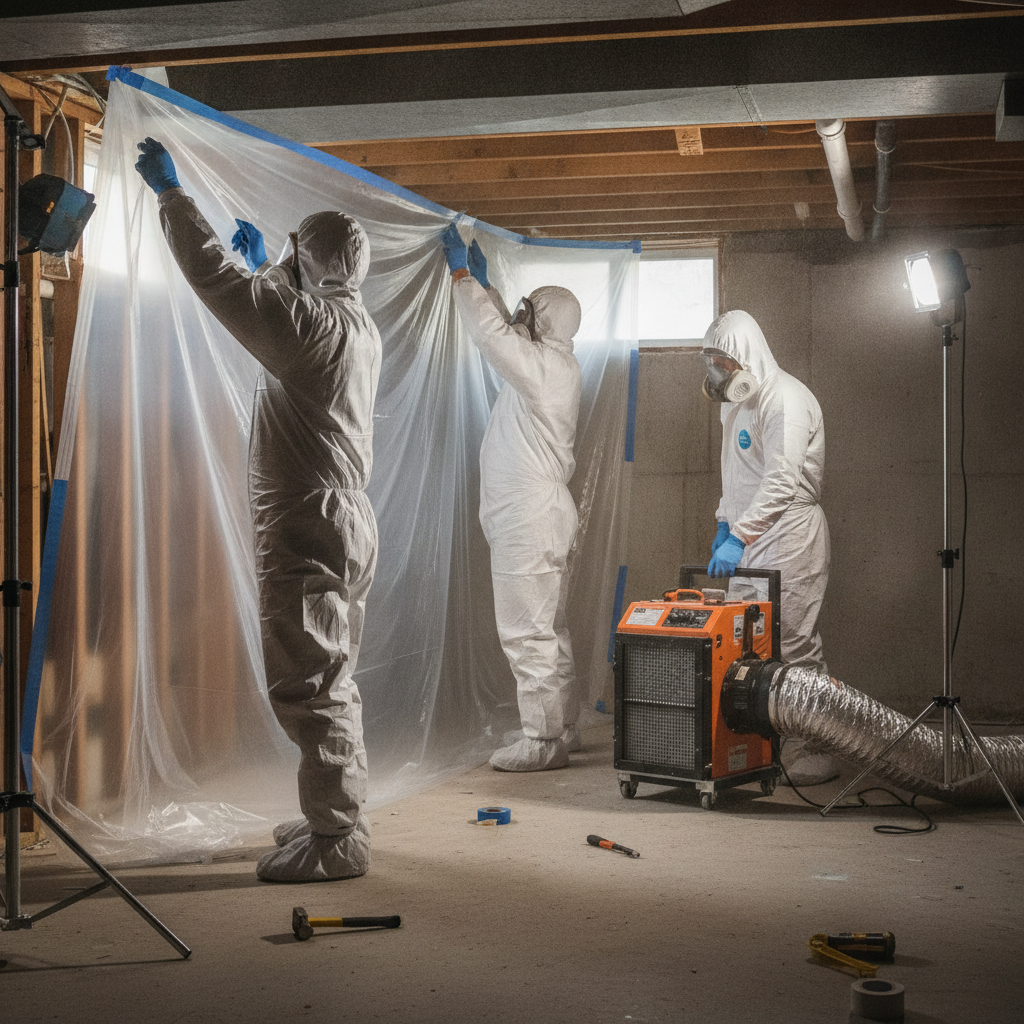
Effective basement mould removal is a controlled process: isolate, filter, remove, treat, and verify. We contain the area, run HEPA air scrubbers under negative pressure, remove contaminated materials, apply antimicrobial treatments, and document clearance so you can reuse your space with certainty.
- Free inspection and moisture assessment: We map visible growth, take readings, and outline a remediation plan that fits your basement’s layout.
- Containment setup: Poly sheeting creates a sealed work zone with zipper access; supply and return vents are covered to prevent spread.
- Negative air and HEPA filtration: Air scrubbers pull spores through HEPA filters and exhaust to maintain pressure differential.
- Source correction: We coordinate leak repair, drainage fixes, or ventilation improvements so the environment stays dry long-term.
- Selective removal: Severely damaged drywall, carpet, or insulation is bagged and removed under containment.
- Detail cleaning: HEPA vacuum, damp wipe with EPA-approved solutions, and repeat until surfaces pass visual and touch checks.
- Drying and verification: Dehumidification continues until materials reach target moisture; optional air sampling and post-remediation verification available.
- Restoration: Replace insulation and drywall as needed; finalize documentation with our Mold Remediation Warranty Certificate.
Troubleshooting: why basement mould comes back
Recurring basement mould usually means moisture is still present—often from hidden leaks, air leaks at rim joists, or insufficient dehumidification. Fix the water, then remediate. Without moisture control, even a perfect cleanup will eventually fail.
- Hidden plumbing seepage: Very small, intermittent leaks behind finished walls re-seed growth. Use moisture meters and thermal imaging to locate.
- Cold corners and condensation: Uninsulated rim joists and cold concrete promote wetting during seasonal swings.
- HVAC cross-contamination: Return leaks near work zones can move spores; seal ducts and change filters after remediation.
- Wet materials left in place: Damp carpet pads, boxes, and cellulose insulation are mould magnets—remove or thoroughly dry them.
- Underpowered dehumidifier: If RH sits above 55%, expect regrowth. Size dehumidifiers for basement square footage and leakage.
Not sure what’s feeding the problem? Ask for a moisture diagnostic with our Scarborough team.
Services offered for basement mould issues
We provide inspection, removal, and long-term prevention tailored to basements. From HEPA-filtered containment to wood framing treatments, attic insulation handling, and restoration, you get a single accountable provider managing every step to final clearance and documentation.
- Mold Inspection & Testing: Visual mapping, moisture readings, air quality testing when indicated, and thermal imaging for hidden damp.
- Basement Mold Cleanup: Containment, HEPA filtration, selective demolition, antimicrobial cleaning, and drying.
- Water Damage Restoration: Fast extraction and structural drying so mould doesn’t take hold after leaks or floods.
- Preventative Treatments: Antimicrobial coatings and ventilation upgrades to keep RH in the 40–50% range.
- HVAC cleaning for mold: Coil, drain pan, and duct cleaning where contamination is suspected.
- Repair and Restoration: Replace insulation and drywall, correct venting, and address condensation-prone assemblies.
- Documentation: Detailed report and a Mold Remediation Warranty Certificate after completion and inspection.
Want a basement-specific plan? Request your tailored scope from ASM Mold Removal Inc.
DIY vs. professional: when to handle it and when to call us
DIY works for small, well-isolated spots with no ongoing moisture and no health sensitivities. Larger or hidden growth, HVAC impact, or real estate timelines call for professional containment, HEPA filtration, and documentation from a certified team.
| Aspect | DIY Approach | Professional Remediation |
|---|---|---|
| Containment | Tape-and-plastic; limited pressure control | Fully sealed zones with negative pressure |
| Air Filtration | Household HEPA (limited) | Commercial HEPA scrubbers, directed exhaust |
| PPE & Safety | Basic masks and gloves | Respirators, suits, decon procedures |
| Material Removal | Minimal demolition | Selective, controlled demolition with disposal |
| Verification | Visual only | Moisture targets, optional clearance tests |
| Documentation | None | Report + Warranty Certificate |
Health risks and indoor air quality
Mould can irritate airways, aggravate asthma and allergies, and worsen indoor air quality. The best protection is to remove the source, filter the air with true HEPA, and keep the basement dry year-round to reduce spore counts and fragments.
- Symptoms to watch: Stuffy nose, cough, itchy eyes, wheeze that improves when away from the basement.
- Air changes matter: HEPA filtration and controlled ventilation reduce airborne particles during and after cleanup.
- Moisture is the root cause: No lasting air-quality gain is possible without fixing water and humidity first.
Want post-remediation peace of mind? Request air testing guidance and a documented plan.
Prevention: keep your Scarborough basement dry
Prevention is simple: control moisture, ventilate, and maintain. Keep relative humidity near 40–50%, direct water away from the foundation, and respond to leaks within a day. With a dry envelope, mould lacks what it needs to grow.
Moisture and ventilation
- Dehumidify properly: Size units for the full basement; drain to a sump or condensate pump for continuous operation.
- Insulate cold spots: Treat rim joists and cold pipes to limit condensation during shoulder seasons.
- Air seal: Seal gaps at sill plates and penetrations to limit humid air infiltration.
Respond fast to water
- Act within a day: Mould can begin forming quickly on soaked materials; extraction and drying within 24–48 hours reduce risk.
- Keep it clean: Remove wet boxes and rugs, and elevate storage to allow airflow across slab and walls.
- Mind the envelope: Gutters, downspouts, and grading direct stormwater away from the foundation.
For a prevention plan tailored to your home, talk with our specialists.
Why choose ASM Mold Removal Inc.
You get speed, standards, and proof. We respond the same day, follow industry-standard containment and HEPA protocols, use eco-friendly products, and provide a Mold Remediation Warranty Certificate after inspection—so your basement is cleared and stays that way.
- Ontario same-day response: We triage urgent basement cases in Scarborough quickly so damage and health risks don’t escalate.
- Certified and insured: Trained teams follow current remediation standards with documented steps.
- Eco-friendly treatments: Non-toxic, EPA-approved methods protect occupants, pets, and finishes.
- End-to-end accountability: One provider handles inspection, removal, repair, and prevention.
- Warranty-backed results: Our work includes a clear documentation trail and a warranty certificate at completion.
Have questions about black mould in basement scenarios? Send us a note and we’ll help you plan the next step.
Service area: Scarborough basements and beyond
We serve Scarborough homes and businesses, and we mobilize across Ontario for basement mould inspections and remediation. Our crews handle finished and unfinished spaces, from small utility rooms to large storage areas, with minimal disruption to daily routines.
Scarborough’s climate patterns bring warm, humid summers and freeze-thaw cycles that challenge below-grade spaces. We tailor dehumidification, ventilation, and insulation recommendations to hold the line against seasonal moisture swings so mould doesn’t get a foothold again.
Local considerations for Scarborough
- Seasonal humidity can spike quickly; keep a basement dehumidifier running during heat waves and rainy weeks.
- Snowmelt periods can push water toward foundations; check sump pumps and downspout extensions before thaw.
- If you finish a basement, include continuous ventilation and accessible inspection points for plumbing and rim joists.
Pricing and scoping factors (no surprises)
Basement mould remediation scope is driven by moisture source, affected materials, and access. We provide a free inspection and a clear written plan—no vague scopes—so you understand containment, removal, cleaning, drying, and any restoration steps before work begins.
- Moisture source: Active leaks and drainage issues require coordinated fixes to ensure lasting results.
- Materials affected: Drywall, insulation, and carpets often need selective removal; solid lumber may be cleaned and treated.
- Area and access: Larger or tighter work zones affect containment and equipment sizing.
- HVAC involvement: Returns or supply trunks in the zone can expand scope to include system cleaning.
- Documentation needs: Real estate or compliance requirements may include testing and additional verification.
We keep scopes transparent and aligned with prevention. Get your written plan after a free inspection.
Testimonials
Homeowners and property managers choose us for speed, clean work, and clear documentation. Our Scarborough teams focus on safe containment, fast drying, and thorough follow-up so finished and unfinished basements can get back to normal quickly.
- “They found a hidden leak behind our basement bath, fixed the moisture, and the musty smell disappeared. The warranty gave us peace of mind.”
- “Containment was neat, the team was punctual, and they coordinated drywall replacement without delays.”
- “We needed documentation before listing. The inspection, remediation, and certificate made the sale smooth.”
Tools, tips, and extras we often recommend
A dry basement beats any treatment. Pair professional remediation with the right dehumidifier, targeted insulation, and airflow improvements. The combination stabilizes humidity, limits condensation, and keeps surfaces inhospitable to mould.
- Continuous dehumidifier with pump: Keeps RH steady between 40–50% without manual bucket emptying.
- Insulate rim joists: Closed-cell foam or foam board plus air seal reduces condensation in cold months.
- Sump and drainage check: Test pumps quarterly; extend downspouts to move water away from the foundation.
- Smart sensor monitoring: Place humidity and leak sensors near vulnerable areas to catch small problems early.
Curious what your basement needs? Ask for a prevention walkthrough after remediation.
Related context and reading
Basement mould prevention benefits from understanding local flooding, moisture, and cleaning practices. Explore general overviews to see how pros think about water control and safe cleanup, then adapt those ideas to your home with our team’s help.
For a nearby perspective on keeping basements dry, see this overview of basement flooding prevention. For general mould-cleaning summaries from service providers, compare approaches outlined in this cleaning overview and this regional summary. Use these as broad context while we tailor a plan to Scarborough homes.
Frequently Asked Questions
These quick answers address what Scarborough homeowners ask most about basement mould, safety, and timelines. If your situation is unique, we’ll customize steps during your free inspection and moisture assessment.
What does black mould in a basement look like?
It often appears as dark green, brown, or black spotting or smears on drywall paper, wood framing, and concrete. You may notice musty odors first. If the stain smears when wiped, you’re likely disturbing active growth—pause and plan safe containment before cleaning.
Is basement mould dangerous?
Mould can irritate airways, trigger asthma and allergies, and degrade indoor air quality. The best response is to remove contaminated materials safely, filter the air with true HEPA, and correct moisture so it can’t return. Sensitive individuals should avoid DIY disturbance.
Can I paint over basement mould?
No. Paint traps moisture and can hide active growth. Proper steps are: stop water, contain the area, remove damaged materials, detail clean with approved solutions, dry to target moisture, and then restore. Otherwise, mould will likely bleed back through.
How fast do I need to act after a leak?
Act within a day. Extract standing water, start dehumidification, and move porous items out of the wet zone. The sooner materials are dried, the less likely mould will colonize and the simpler remediation becomes.
Get help now: same-day basement inspection in Scarborough
If you see black mould or smell mustiness in your basement, don’t wait. We can inspect, find the moisture source, and build a safe, clear plan today. You’ll get documentation and a path to a dry, healthy space.
- Book a free inspection and moisture assessment.
- Discuss air testing and documentation needs.
- Schedule same-day help for urgent basement issues.
Key takeaways
Black mould in a basement is a moisture problem first. Control water and humidity, then remediate with containment and HEPA filtration. Choose a certified team that documents every step and backs results with a warranty so your space stays safe.
- Moisture control is the foundation of lasting results.
- Containment and HEPA filtration prevent cross-contamination.
- Documentation and a warranty build confidence for families and real estate.