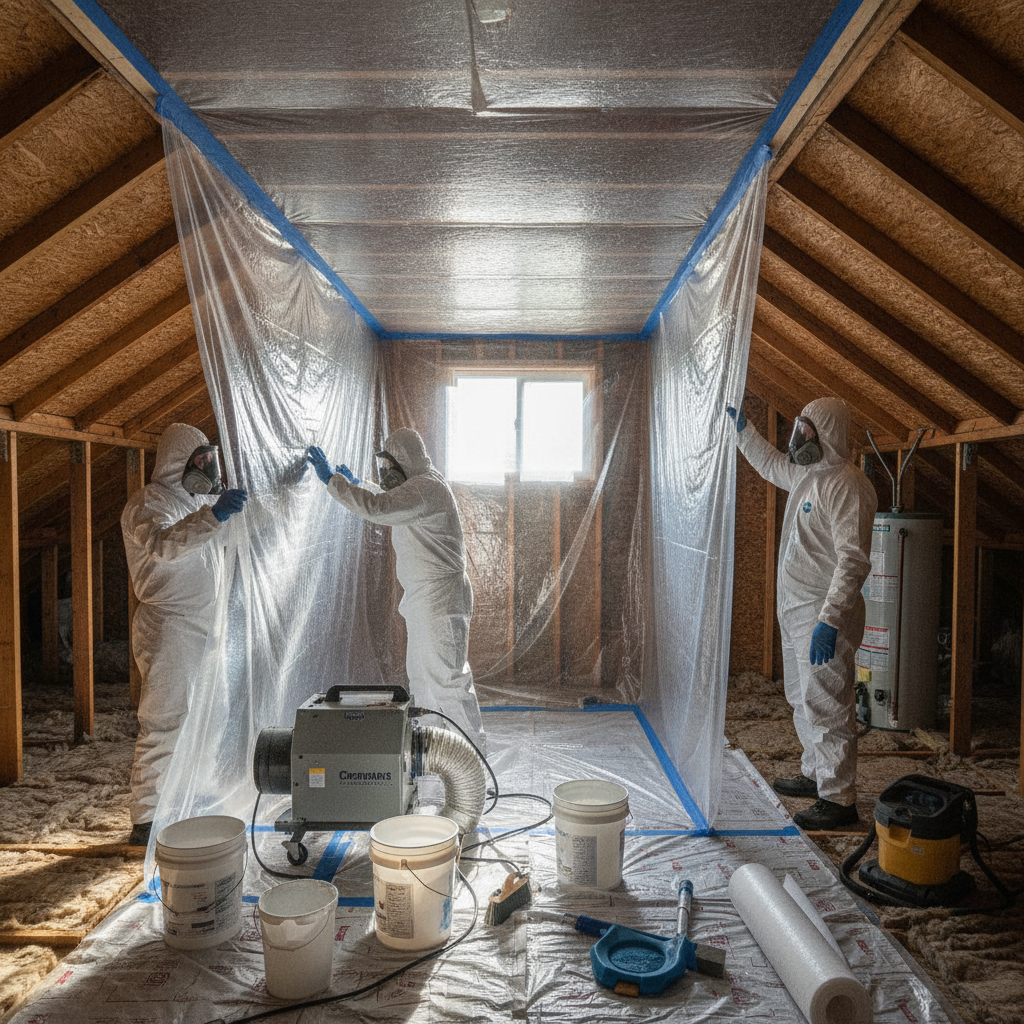
Black mold removal service is the professional inspection, containment, and safe remediation of toxic mold (often Stachybotrys) from homes and businesses. It uses HEPA filtration, negative air, and EPA-approved antimicrobials to remove growth and spores. In Scarborough, timely action limits exposure and prevents structural damage while restoring healthy indoor air.
By Asmmoldremoval • Last updated: 2026-07-01
Overview and Table of Contents
This complete guide shows how a black mold removal service works, when you need it, and what to expect from inspection through clearance. You’ll learn best practices, tools, local tips for Scarborough, and how ASM Mold Removal structures attic, basement, crawl space, and commercial remediation for durable results.
Here’s what you’ll find in this expert, service-focused guide:
- What black mold is and how a professional service removes it
- Health, property, and real estate risks of delaying remediation
- Step-by-step process ASM Mold Removal follows on real jobs
- Methods: HEPA vacuuming, dry-ice blasting, antimicrobial treatment, ventilation fixes
- Tools we rely on: air scrubbers, thermal cameras, moisture meters, dehumidifiers
- Local tips for Scarborough homes and commercial spaces
- Mini case studies and a practical checklist you can use today
What Is a Black Mold Removal Service?
A black mold removal service is a certified remediation process that locates moisture sources, contains affected areas, removes mold safely, filters the air with HEPA, and treats surfaces with EPA-approved products. It concludes with prevention steps and documentation confirming the area is free of active growth.
Black mold thrives where moisture persists for 24–48 hours, often after leaks, condensation, or flooding. Spores typically measure 2–20 microns, so they stay airborne easily without proper filtration. That’s why professional containment and HEPA (99.97% capture at 0.3 microns) are core to any legitimate service.
- Scope includes: inspection and testing, source moisture control, physical removal, air filtration, antimicrobial application, and prevention planning.
- Spaces impacted: attics, basements, crawl spaces, bathrooms, kitchens, HVAC systems, and commercial units.
- End goal: restore healthy indoor air and prevent regrowth by fixing the moisture that fueled it.
ASM Mold Removal Inc. operates Ontario-wide with same-day response when needed. Our team focuses strongly on attics but routinely handles basements, crawl spaces, HVAC, and commercial spaces. Every project ends with guidance to maintain indoor relative humidity around 30–50% to discourage future growth.
Why Black Mold Removal Matters
Black mold removal protects health, preserves property value, and prevents repeat damage. Waiting risks wider contamination, higher repair scope, and longer downtime. Addressing moisture and mold together stabilizes indoor air, supports real estate transactions, and safeguards building materials.
Here’s the thing: mold is a symptom of moisture. If you treat stains without fixing leaks or ventilation, it returns. We’ve found that tackling both at once can reduce recurrence dramatically because porous materials (like drywall and insulation) absorb moisture quickly. Proper drying within 24–72 hours after water events is critical to halt spread.
- Health: HEPA filtration limits airborne spores; N95/half-face respirators filter ≥95% of particles during work.
- Property: Unchecked moisture degrades wood and drywall; repeated wetting cycles elevate structural risk.
- Transactions: Buyers, sellers, and agents need clear documentation; ASM issues a Mold Remediation Warranty Certificate after inspection.
- Operations: For businesses, fast containment limits downtime and supports continuity requirements.
In Scarborough’s mixed climate, freeze-thaw cycles and humid summers increase attic condensation and basement humidity. Balanced attic ventilation (often near a 1:150–1:300 net free vent area ratio, depending on roof design) plus bathroom/kitchen exhausts vented outdoors stabilize moisture and lower risk.
How Professional Remediation Works
Professional remediation follows a tested sequence: assess and map moisture, isolate with containment and negative pressure, remove mold and contaminated materials, filter air with HEPA, apply antimicrobials, dry to meter-verified targets, and document clearance. This order controls spread and delivers durable results.
Below is the field-proven workflow our crews follow in homes and commercial spaces across Ontario. Negative air is maintained throughout at a targeted air change rate (often 4–12 ACH in contained zones) to capture aerosols and keep clean areas clean.
- Free inspection: Visual survey, thermal imaging, and moisture readings establish the map of concern.
- Plan & contain: Poly sheeting, zipper doors, and pressure monitoring create a sealed work zone.
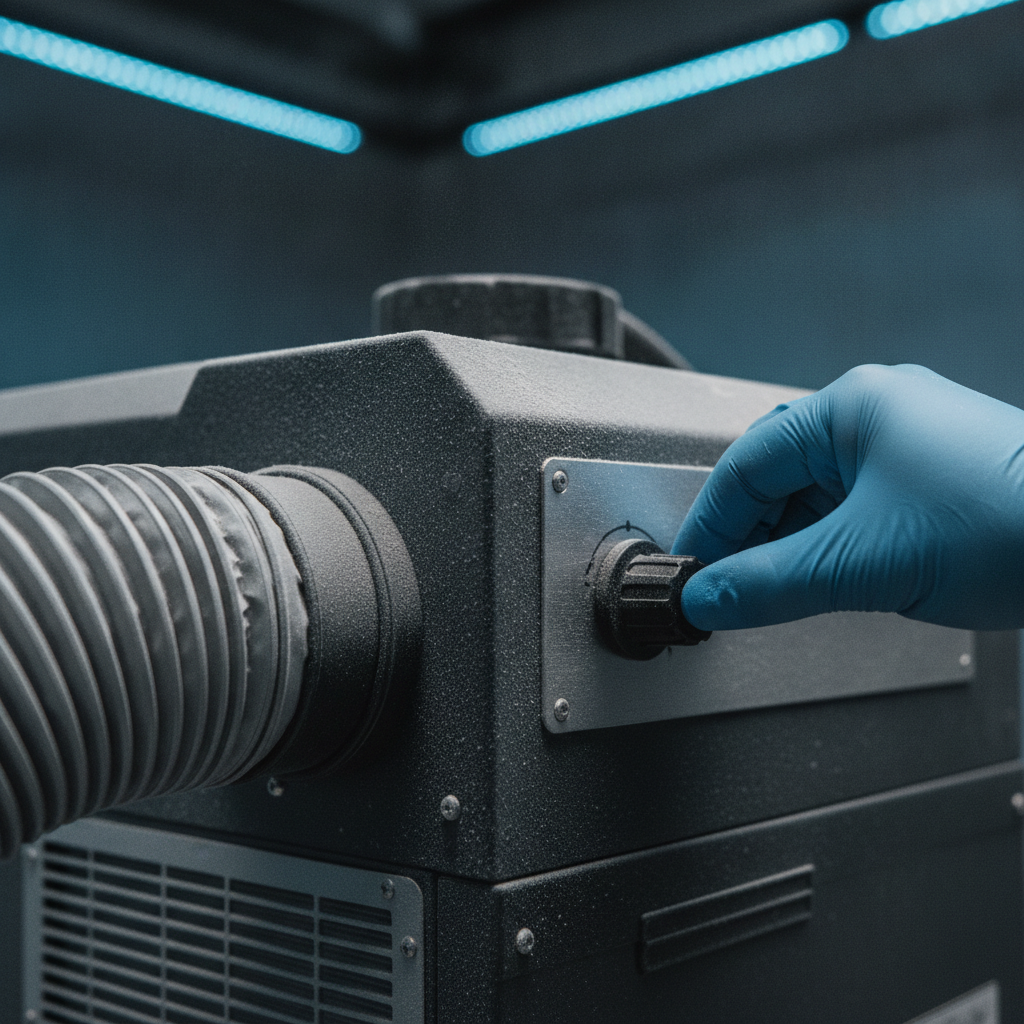
- Air control: HEPA air scrubbers with ducting establish negative pressure and continuous filtration.
- Source fix: Stop leaks, correct drainage, and stabilize humidity with dehumidifiers and ventilation.
- Physical removal: HEPA vacuuming, careful demolition of non-salvage materials, and surface agitation.
- Antimicrobial: EPA-approved products with proper dwell time (commonly 10+ minutes per label) to sanitize surfaces.
- Dry & verify: Materials dried to manufacturer-accepted moisture content using calibrated meters.
- Rebuild (as needed): Insulation re-installation, drywall repair, and paint match to restore finish.
- Prevention plan: Humidity targets (30–50%), ventilation guidance, and maintenance schedule.
- Documentation: Photos, readings, and our Mold Remediation Warranty Certificate after final inspection.
| Factor | DIY Attempt | Professional Service |
|---|---|---|
| Containment/Negative Air | Limited; hard to keep spores contained | Sealed zones with monitored negative pressure |
| Air Filtration | Consumer purifiers (variable efficiency) | HEPA 99.97% at 0.3 microns, continuous |
| Moisture Diagnostics | Basic visual checks | Thermal imaging + pin/pinless meters, mapped |
| Material Handling | Risk of cross-contamination | Bag-out protocols, clean/dirty pathing |
| Products | Household cleaners | EPA-approved antimicrobials, label dwell times |
| Prevention | Often omitted | Humidity/ventilation corrections built in |
| Documentation | None | Photo log, meter readings, warranty certificate |
Need fast help in Scarborough? ASM offers Ontario-wide same-day response, free inspections, and a clear remediation plan. Book your free inspection.
Types, Methods, and Approaches
Effective black mold removal blends methods: source moisture control, HEPA vacuuming, mechanical agitation, selective demolition, antimicrobial application, and continuous negative air. In attics, ventilation fixes and insulation work are essential to prevent recurrence and protect roof decking.
Different spaces demand different tactics. For attics, we focus on baffles, balanced intake/exhaust, and insulation condition. In basements, dehumidification capacity (often sized for ≥30–50 pints/day for living areas) and perimeter leak control matter. Crawl spaces benefit from vapor barriers and mechanical drying to hold RH under 50%.
- HEPA vacuuming: Removes settled spores and fine dust that store nutrients.
- Mechanical agitation: Brushing/sanding where safe; dry-ice blasting for suitable framing to lift growth without saturating wood.
- Selective demolition: Removes non-salvage drywall/insulation; bagged and routed through the dirty path only.
- Antimicrobials: EPA-approved formulas with label dwell times; coverage ensures even film and efficacy.
- Air scrubbers: Continuous HEPA filtration sized to volume; filters replaced per pressure drop indicators.
- Dehumidifiers: Maintain 30–50% RH; integrated condensate routing prevents secondary wetting.
- Ventilation improvements: Ensure baths/kitchens exhaust outdoors; attic net free venting adjusted for roof design.
In our experience, pairing mechanical removal with moisture correction yields the most stable long-term results. A single overlooked bypass (like a bath fan venting into the attic) can re-seed growth within weeks during humid weather.
Best Practices for Lasting Results
The best approach is containment-first, moisture-first, and verification-last. Control air movement, stop the water, remove contamination, apply antimicrobials with correct dwell times, dry to target moisture levels, and verify with photos and meter logs before removing containment.
We design every project to protect occupants and prevent cross-contamination. Little details add up—like maintaining negative pressure during bag-out and keeping clean/dirty tool paths separate. For HVAC systems, we recommend at least MERV 13 filtration during and after work to capture residual fine particles.
- Safety: PPE, eye protection, and respirators matched to exposure; tools grounded to reduce static dust plumes.
- Containment: Door zippers, floor protection, and pressure monitors on each shift.
- Dwell time discipline: Many antimicrobials specify ≥10 minutes; follow labels for efficacy.
- Moisture targets: Wood back to typical 8–12% (climate-dependent); drywall to dry-standard readings on meters.
- Humidity maintenance: Keep interior RH 30–50% with dehumidification and ventilation.
- HVAC hygiene: Clean or replace filters post-project; verify condensate lines and pans.
- Documentation: Photo sets before/during/after with readings and a clear prevention checklist.
For real estate timelines, ASM’s same-day inspections accelerate clarity so buyers and sellers can move forward with confidence. Our Mold Remediation Warranty Certificate supports peace of mind once final checks are complete.
Tools and Resources We Use
We use calibrated moisture meters, thermal imaging, HEPA air scrubbers, negative-air ducting, commercial dehumidifiers, and EPA-approved antimicrobials. These tools quantify moisture, control aerosols, and sanitize surfaces—producing verifiable, repeatable results homeowners and businesses can trust.
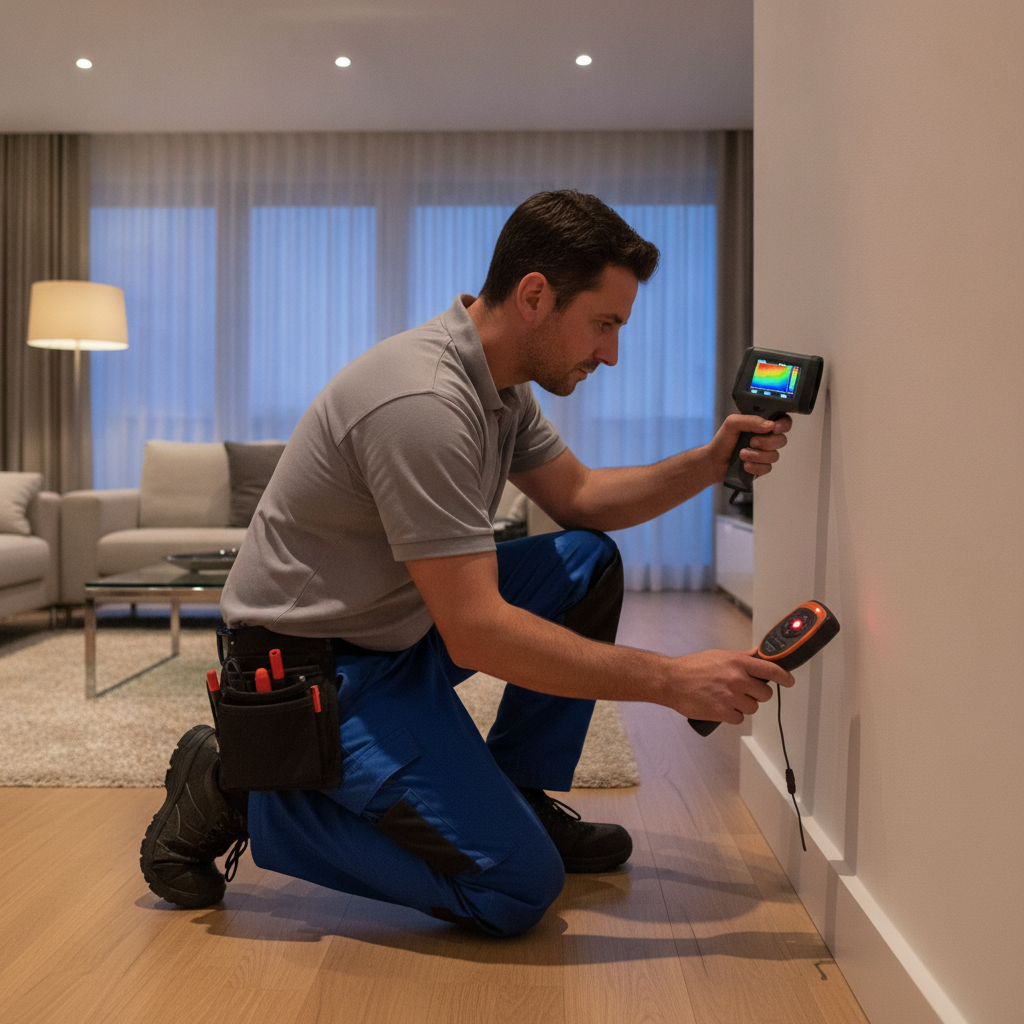
Precision tools shorten projects and raise confidence. Thermal cameras spot cold anomalies from hidden moisture; pin/pinless meters verify dry standards before rebuild. Air scrubbers run continuously, exchanging air multiple times per hour. Where necessary, we add auxiliary fans to prevent dead spots inside containment.
- Thermal imaging: Locates wet insulation and cold joints that suggest air bypasses.
- Moisture meters: Pin/pinless for surface and depth; readings logged per area.
- HEPA scrubbers: Sized for volume; 99.97% efficiency at 0.3 microns.
- Dehumidifiers: CFM and pint ratings matched to load; sealed condensate routing.
- Containment materials: Poly sheeting, zipper doors, pressure monitors, tack mats.
- Application systems: Low-pressure sprayers and brushes to ensure even antimicrobial coverage.
Want a foundation on basic cleaning concepts? See an industry overview of mold cleaning and a professional mold cleaning explainer for general context. For Ontario readers exploring options, here’s a brief listing-style resource.
Case Studies and Local Examples
Real projects show the difference a structured process makes. These Scarborough-focused examples highlight attics, basements, and commercial spaces—and how moisture control paired with methodical removal delivers clean, warrantied outcomes that hold up over time.
Scarborough attic with recurring stains
- Issue: Seasonal staining across north-facing roof decking; bath fan vented into attic.
- Action: Containment, HEPA vacuuming, surface agitation, antimicrobial, baffles added, fan re-routed outdoors.
- Metrics: Decking moisture reduced to dry standard; attic RH stabilized under 50%.
- Outcome: No return through a full humid season; Warranty Certificate issued post-inspection.
Basement after a winter pipe break
- Issue: Wet drywall and carpet; visible growth within 72 hours in cold storage room.
- Action: Source repair, containment, removal of non-salvage drywall, HEPA filtration, dehumidification.
- Metrics: Continuous air exchanges maintained; wood back to ~10% MC before rebuild.
- Outcome: Odors eliminated; humidity maintained near 40–45% with a new dehumidifier.
Commercial space needing minimal downtime
- Issue: Retail backroom leak created wall cavity growth; business required open hours.
- Action: Off-hours containment and negative air, sectional demolition, rapid dry-out, sanitation.
- Metrics: ACH monitored each shift; RH stabilized below 50% in the work zone.
- Outcome: Operations continued safely; documented results for internal compliance.
Local considerations for Scarborough
- Use attic baffles and ensure bathroom/kitchen exhausts terminate outdoors; coastal humidity swings can drive condensation in roof assemblies.
- Plan seasonal checks before the humid months; keeping indoor RH under 50% during summer reduces growth risk dramatically.
- Schedule inspections after storms or freeze-thaw cycles; small roof or plumbing leaks can create mold within 24–48 hours.
Self-Checklist and Readiness
Use this checklist to know when to call a professional: visible growth beyond 10 square feet, musty odors with past leaks, high humidity (over 60%), or symptoms that improve outdoors. If any apply, book a same-day inspection in Scarborough.
- Past leak, flood, or condensation lasting more than 24–48 hours
- Dark staining on framing, sheathing, or drywall surfaces
- Relative humidity readings consistently above 50–60%
- Musty odor that resurfaces after cleaning
- Bathroom/kitchen fans venting into attic or crawl space
- HVAC dust with visible specks near supply registers
- No documentation of prior remediation steps or moisture fixes
If several items fit, you’re past DIY territory. A structured, documentable service reduces risk and speeds recovery—especially before appraisals, listings, or handovers.
FAQ: Black Mold Removal Service
These concise answers address what homeowners and property managers ask most—inspection timing, safety during work, and how we know a project is complete. Each response reflects ASM’s actual process and documentation standards in Ontario.
How fast should I act after finding black mold?
Act within 24–48 hours if moisture is present. Quick containment and drying prevent spread. ASM offers same-day inspections in Ontario so the affected area can be mapped, isolated with negative pressure, and scheduled for removal before damage escalates.
Is it safe to stay in my home during remediation?
Often yes, because containment and negative air isolate work zones while HEPA filters clean air. Sensitive occupants may choose to be off-site. We discuss plans during the free inspection and keep clients informed about daily progress and safety.
What does “clearance” mean when the job is done?
Clearance means surfaces are visibly clean, moisture has returned to dry standards, and the area is stable for rebuild or normal use. We document results with photos and meter readings and issue a Mold Remediation Warranty Certificate after final inspection.
Do you treat attics, basements, and crawl spaces differently?
Yes. Attics require ventilation fixes and insulation work; basements rely on dehumidification and leak control; crawl spaces benefit from vapor barriers and mechanical drying. Each space has its own moisture pattern, so methods are tailored.
What makes ASM Mold Removal different?
Ontario-wide same-day response, free detailed inspections, certified and insured technicians, HEPA containment, and EPA-approved products. We provide end-to-end service, including repairs and a Mold Remediation Warranty Certificate for confidence after completion.
Conclusion and Next Steps
A black mold removal service is most effective when it pairs moisture correction with disciplined containment and verified drying. If you’re in Scarborough, ASM’s same-day inspections, HEPA protocols, and warranty-backed documentation streamline recovery and help prevent recurrence.
- Key Takeaways
- Fix moisture and isolate air first; removal succeeds when the source is addressed.
- HEPA filtration (99.97% at 0.3 microns) and negative pressure keep clean areas clean.
- Maintain 30–50% indoor RH and correct ventilation to prevent regrowth.
- Documentation—photos, readings, and warranty—supports real estate and peace of mind.
- Action Steps
- Walk through the self-checklist; if two or more apply, schedule help.
- Document leaks, odors, and humidity readings to speed diagnosis.
- Book a free inspection so we can map, contain, and plan remediation.
Ready to protect your home’s air and structure? Contact ASM Mold Removal for a same-day Scarborough inspection and a clear, warranty-backed plan.