Black mold removal is the professional process of locating, containing, and safely eliminating Stachybotrys and other toxigenic molds from indoor spaces. It includes moisture control, HEPA filtration, and verified cleanup. For homeowners near 1225 Kennedy Rd in Scarborough, ON, working with ASM Mold Removal Inc. ensures fast response and documented results.
By ASM Mold Removal Inc. • Last updated: June 18, 2026
At a Glance
Black mold removal protects health by eliminating active growth, filtering spores, and fixing moisture sources. The fastest wins come from quick containment, negative air, and targeted antimicrobial treatments, followed by verification testing and prevention steps that keep humidity below 60% and surfaces dry.
- What you’ll learn: clear signs of black mold, step-by-step remediation, and prevention plans that actually last.
- Why it matters: mold impacts indoor air quality and can damage wood, insulation, and drywall if moisture persists.
- Who this helps: Ontario homeowners, buyers, sellers, and commercial property teams needing same-day, warranty-backed service.
Table of contents
- What is black mold?
- Why removal matters
- How professional removal works
- Types of mold and approaches
- Best practices that prevent regrowth
- Tools and resources we use
- Case studies and real examples
- DIY vs professional
- Frequently asked questions
- Key takeaways
- Next steps
What Is Black Mold?
Black mold refers to dark-pigmented species like Stachybotrys chartarum that thrive on wet cellulose (drywall, wood, insulation). It spreads by releasing microscopic spores. Effective removal requires moisture elimination, physical cleanup, and HEPA air filtration to reduce airborne spores during and after remediation.
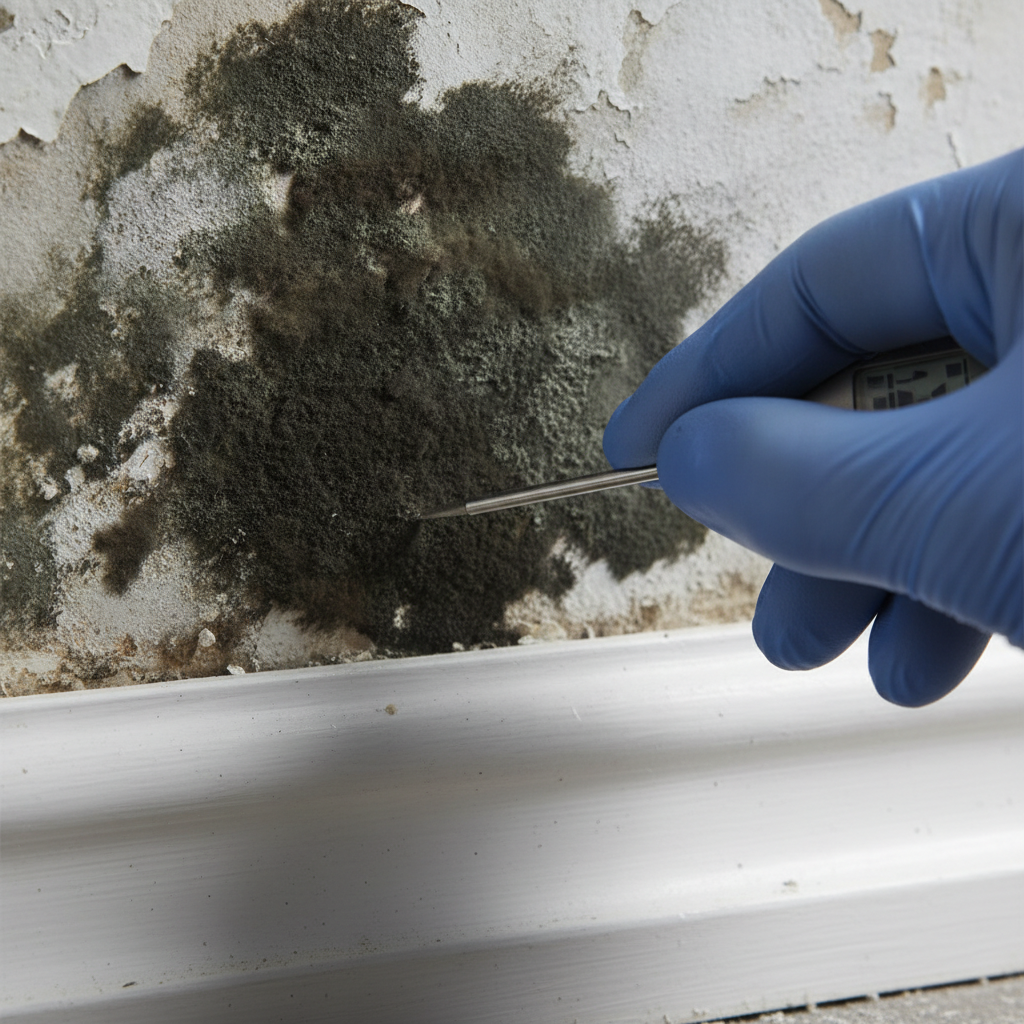
Not every dark spot is “toxic black mold,” but any persistent growth indicates excess moisture. You’ll often see staining on drywall paper, attic sheathing, or basement baseboards where relative humidity stays elevated. In our inspections, visible growth pairs with moisture readings and, when needed, lab testing for confirmation.
- Common triggers: roof leaks, attic ventilation issues, foundation seepage, bathroom exhaust ducts venting into attics, sump failures, and HVAC condensation.
- Typical locations: attics, basements, crawl spaces, cold corners behind furniture, and around windows with condensation.
- First signs: musty odors, discoloration, peeling paint, soft drywall, or allergy-like symptoms that worsen indoors.
For a professional start, book our free inspection and moisture assessment so we can trace the water source and scope a safe plan. You can schedule a mold inspection and testing to validate what’s present and choose the right next step.
Why Black Mold Removal Matters
Timely black mold removal protects indoor air, prevents structural rot, and stops recurring damage. In Scarborough and across ON, quick response limits spore spread, preserves insulation and framing, and supports real estate transactions with clear documentation and warranty-backed results.
Mold is both a symptom and a cause. It signals uncontrolled moisture and, if left alone, can undermine sheathing, studs, and gypsum paper. Remediating the growth without fixing the leak means the problem returns. That’s why our end-to-end approach couples removal with moisture control, ventilation upgrades, and prevention treatments.
- Air quality impact: Spores and fragments become airborne during normal activity. HEPA filtration during remediation reduces this load and improves indoor air.
- Material damage: Cellulose-based materials deteriorate as colonization continues, especially in warm, humid seasons.
- Transaction readiness: Buyers, sellers, and agents often need documentation and a Mold Remediation Warranty Certificate to close with confidence.
Public guidance stresses moisture control. See the EPA mold cleanup steps for fundamentals, and review CDC mold and health basics if you’re managing sensitive occupants. This process stops spread, restores air quality, and addresses the moisture source so mold doesn’t return.
Our Ontario-wide process is built for speed and safety, from same-day inspections to final verification. Here’s how a typical project flows when you contact our Scarborough team.
- Assessment and moisture mapping. We inspect visually, measure moisture in building materials, and, if indicated, perform air/surface sampling. Findings shape the scope and PPE level.
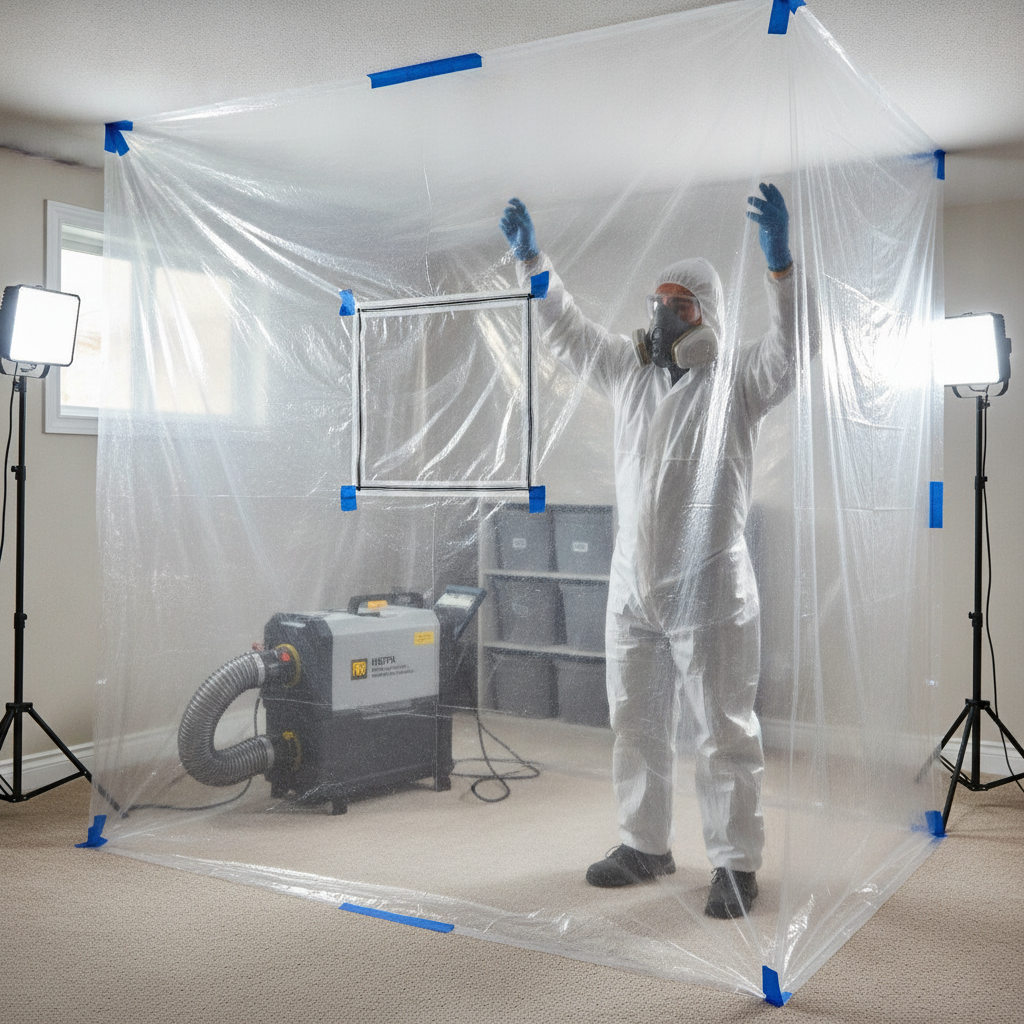
- Containment. Plastic barriers create a work zone. Zippered entries and negative air machines prevent cross-contamination.
- HEPA air filtration. Air scrubbers run continuously to capture spores and fragments mobilized during work.
- Source control and removal. We correct the water source (e.g., stop a roof leak) and remove unsalvageable porous materials like moldy drywall or insulation.
- Detailed cleaning. HEPA vacuuming and damp wiping remove settled spores from framing, sheathing, and adjacent surfaces.
- Targeted treatments. We apply eco‑friendly, EPA-approved antimicrobials to inhibit regrowth on wood framing and sheathing.
- Drying and ventilation. Dehumidifiers and airflow reduce material moisture to manufacturer-recommended ranges.
- Verification. A final visual check and, if requested, post-remediation sampling validate clearance. We then issue a Mold Remediation Warranty Certificate.
Want this handled end-to-end with minimal disruption? Learn about our approach on the about page, or start now via the contact form for a same-day inspection window.
Types of Mold and Removal Approaches
Different molds favor different conditions, but the approach is consistent: fix moisture, isolate the area, remove or clean affected materials, then dry and monitor. Attics, basements, crawl spaces, and HVAC systems each require job-specific containment and techniques.
Common indoor molds you’ll encounter
- Stachybotrys (often called “black mold”): Likes chronic wet drywall or wood. Slow grower, heavy spore mass when disturbed.
- Cladosporium and Penicillium: Frequently found on dust, wood, and furniture in humid rooms; spread readily with airflow.
- Aspergillus: Can colonize HVAC components and dust; thrives in persistently humid conditions.
Approach by area
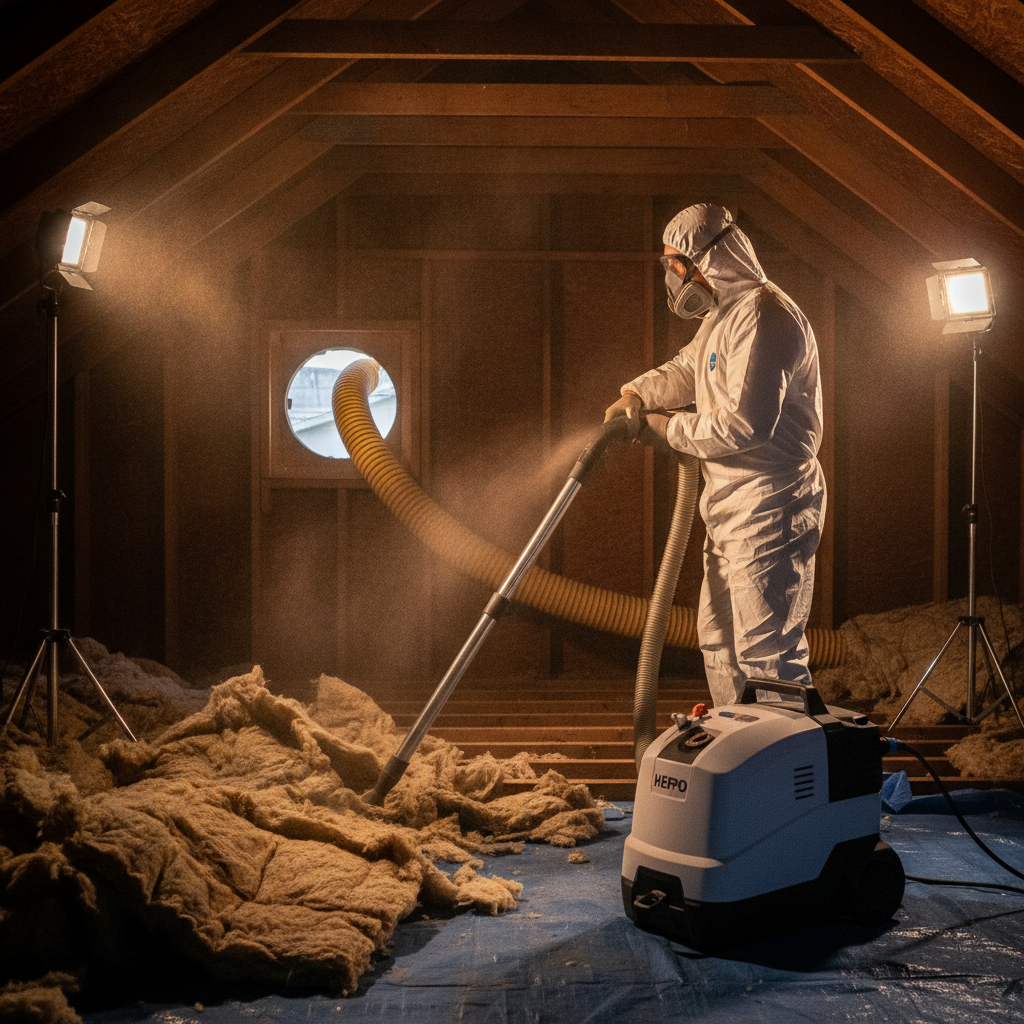
- Attics: Correct ventilation, insulate and air-seal bypasses, remediate sheathing. Our team specializes in attic mold remediation backed by before-and-after visuals.
- Basements: Address seepage or plumbing leaks; consider vapor barriers and dehumidification; remediate walls and baseboards.
- Crawl spaces: Improve ground vapor control and ventilation; remove contaminated insulation; treat framing; manage humidity.
- HVAC systems: Clean components that collect dust and moisture; improve filtration and condensate management to reduce recurrence.
For homeowners preparing to sell, clearance documentation matters. Our process concludes with organized photos and, when requested, third-party sampling to align with buyer expectations and agent timelines.
Best Practices That Prevent Regrowth
Best results come from combining removal with prevention: control humidity, fix leaks fast, ventilate attics and baths correctly, and maintain clean, dry surfaces. Keep indoor relative humidity below 60%, and ideally 40–50%, to reduce the chance of mold returning.
Moisture and ventilation controls
- Fix water intrusions within 24–48 hours. Rapid drying greatly reduces colonization risk after leaks or storms.
- Hold humidity at 40–50%. Use dehumidifiers in basements and crawl spaces; verify with a hygrometer.
- Ventilate bathrooms and kitchens outdoors. Don’t exhaust into attics. Insulate ducts to reduce condensation.
- Improve attic airflow. Balanced intake and exhaust reduce sheathing moisture; baffles preserve intake even with deep insulation.
Cleaning and monitoring routines
- HEPA vacuum high-dust zones. Less dust equals fewer nutrients for mold to colonize.
- Inspect after heavy rain. Check attics, rim joists, and sump areas for new wet spots.
- Change HVAC filters regularly. Upgraded filtration reduces airborne particles that settle on damp surfaces.
Tools and Resources We Use
Effective remediation relies on professional tools: moisture meters, thermal imaging, HEPA air scrubbers, negative air machines, commercial dehumidifiers, and EPA‑approved antimicrobial solutions. These protect occupants, speed drying, and ensure a thorough cleanup with verifiable results.
- Inspection tech: pin/pinless moisture meters, thermal cameras to trace cold/wet paths, and borescopes for hidden cavities.
- Containment and air: 6-mil poly, zipper doors, pressure monitors, HEPA air scrubbers, and negative air setups sized for room volume.
- Removal equipment: HEPA vacuums, oscillating tools, saws, and safe debris handling with sealed bags.
- Treatments and drying: EPA‑approved antimicrobials for framing and sheathing, plus high-capacity dehumidifiers and directed airflow.
Need a walkthrough of our equipment and safety protocols? Visit our main service page or reach out on the contact page for a same-day consultation in Ontario.
Case Studies and Real-World Examples
The strongest proof is what happens in real homes. By pairing targeted removal with moisture fixes, we consistently see cleaner air, dry materials, and no visible regrowth at follow-up checks. Here are snapshots from typical Ontario projects.
Attic sheathing discoloration after winter
- Issue: Dark staining across north-facing roof deck; bath fan duct ended in attic; inadequate soffit intake.
- Action: Installed proper exterior venting, added baffles, increased intake, remediated sheathing with HEPA vacuuming and antimicrobial application.
- Outcome: Follow-up showed dry sheathing and no new staining through the next season.
Basement corner with recurring musty odor
- Issue: Efflorescence and damp baseboard; visible growth behind furniture.
- Action: Sealed hairline crack, added perimeter dehumidification, removed affected baseboard and drywall, cleaned and treated remaining surfaces.
- Outcome: Odor resolved; hygrometer readings stabilized between 45–50% RH; no visual recurrence during quarterly checks.
Commercial storage room with hidden leak
- Issue: Intermittent overhead line drip created periodic wet ceiling tiles.
- Action: Same-day containment to keep operations running, tile replacement, root-cause repair, and overnight air filtration.
- Outcome: Zero downtime for adjacent work areas; clearance documented for facility records.
These are representative of our Ontario portfolio. If you’re prepping for a sale or audit, we can align remediation timing with your closing or inspection dates and provide a Mold Remediation Warranty Certificate on completion. Learn more on our about page.
DIY vs Professional: When to Call ASM
Small, surface-level spots on hard, nonporous materials may be cleaned by homeowners if the source is fixed and PPE is used. Larger areas, porous materials, attics, basements, and HVAC-linked growth warrant professional containment, filtration, and verification to avoid spread and recurrence.
| Situation | DIY Is Reasonable When… | Call Professionals When… |
|---|---|---|
| Size of affected area | Very small patches on tile or metal | Growth across drywall, insulation, subfloors, or framing |
| Location | Easily accessible, well-ventilated room | Attics, crawl spaces, finished basements, concealed cavities |
| Moisture source | Condensation from short-term humidity spike now resolved | Active or recurring leaks, foundation seepage, roof or duct issues |
| Occupants | No vulnerable individuals present | Infants, seniors, or medically sensitive occupants in home |
| Verification | Visual cleanup only | Need for documentation, lab testing, or warranty certificate |
If in doubt, start with a free inspection. Our team provides a clear plan and can move directly into remediation when urgency demands. You can reach us via the contact page for Ontario-wide, same-day response.
Frequently Asked Questions
Homeowners ask about safety, timelines, and verification. The essentials: fix moisture first, contain the area, filter the air, remove and clean, then confirm results. Professional teams keep families safe and projects on schedule with clear documentation at every step.
How do I know if it’s black mold?
Color alone isn’t definitive. Dark staining on drywall or attic sheathing accompanied by musty odors and damp readings strongly suggests active growth. An inspection with moisture mapping—and, if indicated, air or surface sampling—confirms what’s present and how to treat it safely.
Is black mold removal safe while we’re at home?
Yes, with correct containment and HEPA filtration. Work zones are sealed under negative pressure to prevent spread, and air scrubbers run throughout. If sensitivity is a concern, we can schedule work around occupancy or use separate entrances to minimize disruption.
What if mold keeps coming back?
Recurring mold means moisture hasn’t been fully resolved. We pair removal with root-cause fixes—like ventilation corrections, dehumidification, and leak repairs—then provide prevention guidance so humidity stays below 60% and materials remain dry long term.
Do you provide documentation for real estate deals?
Absolutely. We supply before-and-after photos, scope summaries, and, when requested, post-remediation sampling. Upon completion and inspection, we issue a Mold Remediation Warranty Certificate, which helps buyers, sellers, and agents move forward with confidence.
Local considerations for Scarborough
- Seasonal humidity swings in the ON climate mean basements and attics need monitoring in spring and late summer—keep RH under 60% and react quickly to leaks.
- After winter, check attic sheathing for frost melt staining; early remediation prevents summer heat from accelerating growth.
- In mixed residential/commercial neighborhoods, schedule remediation during off-hours to limit disruption; our team offers Ontario-wide, same-day response windows.
Key Takeaways
Eliminate moisture, contain the work zone, filter the air, remove/clean affected materials, and verify. Pair remediation with prevention—humidity control, ventilation, and regular checks—to keep mold from returning and protect your home’s structure and air quality.
- Black mold removal is a process, not a one-time wipe: moisture control drives long-term success.
- HEPA filtration and negative air protect adjacent rooms during work.
- Documentation and a warranty certificate support real estate and peace of mind.
- Ontario homes benefit from seasonal checks in attics, basements, and crawl spaces.
Next Steps and Scheduling
If you see or smell mold, act fast: book an inspection, isolate the area, and manage humidity. Our Scarborough-based team provides Ontario-wide, same-day response, clear plans, and warranty-backed results so your family can get back to normal quickly and safely.
Ready to move forward today?
- Request a free inspection and moisture assessment to confirm scope.
- Review our credentials and process on the about page.
- Explore service details on our main service page and ask about our Mold Remediation Warranty Certificate.