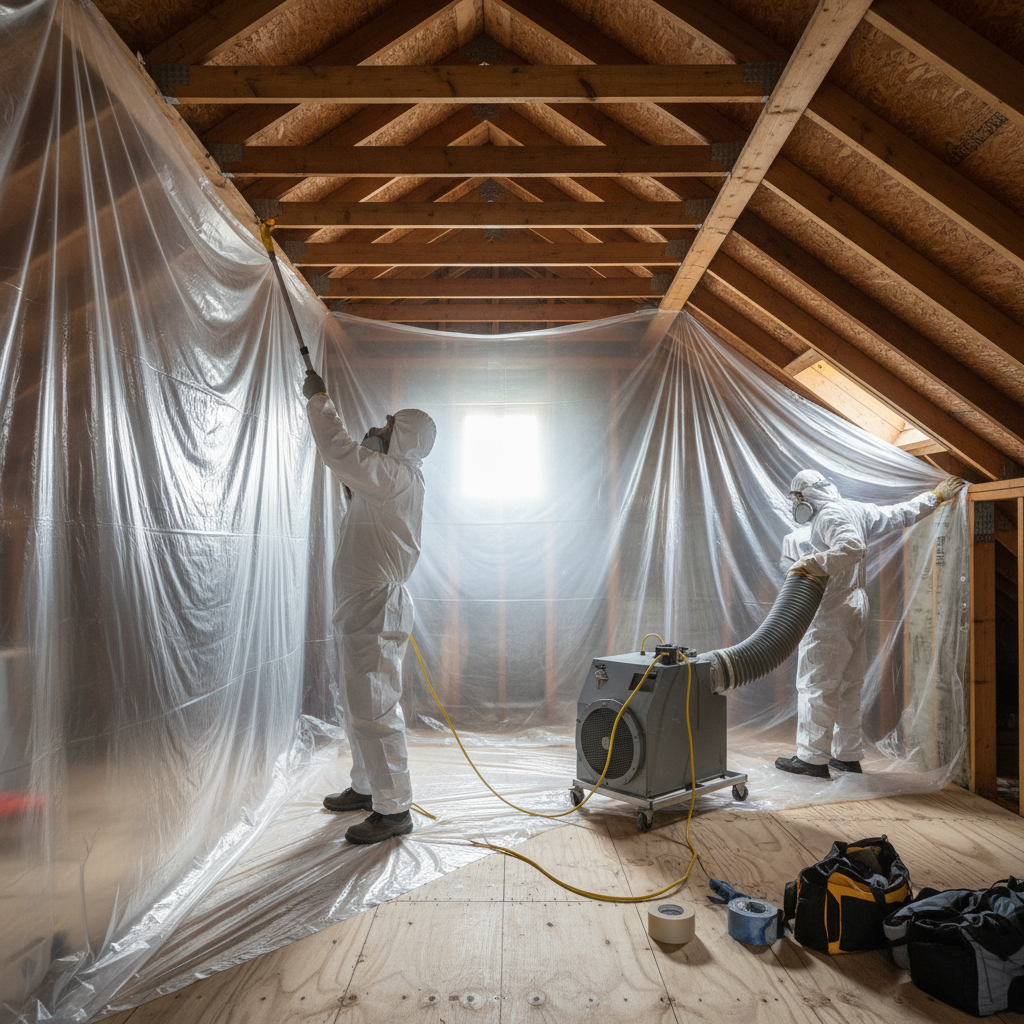
Attic mould remediation is the professional process of isolating, removing, and preventing mold growth on attic sheathing and framing to protect indoor air and the roof system. In Scarborough and across Ontario, ASM Mold Removal provides same-day inspections from 1225 Kennedy Rd, guiding homeowners from assessment to certified clearance.
By Asmmoldremoval • Last updated: 2026-06-06
Overview: Attic mould remediation at a glance
Attic mould remediation restores a clean, dry, and ventilated attic by controlling moisture, safely removing mold, and preventing regrowth. Certified teams use containment, HEPA filtration, and targeted antimicrobial treatments. Fast action limits roof damage, protects indoor air, and helps homeowners document clearance for real estate or insurance needs.
Here’s how this complete guide helps you move from concern to action with confidence.
- Understand what attic mould remediation is and why it matters
- Recognize signs, root causes, and risks to your roof and health
- See how a certified process works, step by step, with checklists
- Compare methods, tools, and prevention strategies that actually last
- Learn Ontario-specific tips and when to request a same-day inspection
At a Glance
- Typical triggers: roof leaks, poor ventilation, bathroom or kitchen venting into the attic, high indoor humidity
- What pros do: contain the area, clean surfaces with HEPA, treat and dry materials, and fix moisture sources
- Documentation: post-work photos, moisture readings, and a remediation certificate build buyer and insurer confidence
- What is attic mould remediation?
- Why it matters
- How it works (step by step)
- Methods and approaches
- Best practices in Scarborough, ON
- Tools and resources
- Case studies
- FAQ
- Conclusion
What is attic mould remediation?
Attic mould remediation is a certified procedure to remove visible growth and spores from attic materials, correct moisture sources, and verify dryness. The work follows containment and filtration standards, protects occupants during cleanup, and closes with documentation that the space is clean, dry, and ready for re-insulation.
In our experience, “removal” without moisture control only resets the clock. True remediation pairs safe cleanup with durable fixes: ventilation improvement, leak repair, and air sealing. For sellers and agents, documented remediation prevents surprises at inspection and keeps transactions on track.
ASM Mold Removal Inc. delivers this end-to-end approach across Ontario. We start with a free inspection and moisture assessment, then build a plan that includes containment, HEPA filtration, targeted antimicrobial application, and restoration. Projects conclude with before-and-after photos and a summarized report you can share with buyers or insurers.
Why attic mould remediation matters
Ignoring attic mold risks roof lifespan, insulation performance, and indoor air. Fast remediation curbs material decay, reduces musty odors, and supports healthier air. It also preserves property value by avoiding deal delays and enabling sellers to present documentation buyers trust.
Mold is a moisture symptom. Wet roof sheathing decays faster, and saturated insulation loses thermal resistance. HEPA filtration during remediation captures fine particles down to 0.3 microns at high efficiency, helping reduce irritants while the source is fixed. For families, the practical benefit is simple: drier attics, fewer odors, and less headache at sale time.
We’ve seen Ontario homes where bath fans terminated into the attic or soffits were blocked by insulation. Once corrected, relative humidity stabilized, discoloration stopped spreading, and musty smells receded quickly. That stability—backed by photos and moisture readings—keeps deals from derailing during third‑party inspections.
How attic mould remediation works (step by step)
Effective attic mould remediation follows a tight sequence: diagnose moisture sources, set containment and negative air, clean with HEPA and agitation, apply antimicrobial treatment, dry and verify, then restore insulation and airflow. Each phase documents readings and photos so you can prove the problem is solved.
- Inspection and testing: Visual survey, thermal imaging, and moisture readings find leaks and cold spots. Air/surface sampling may be used when needed for clearance or dispute resolution.
- Containment and filtration: Poly barriers and negative air machines protect occupied areas; HEPA scrubbers capture fine particles.
- Source control: Stop roof or flashing leaks; correct bathroom/kitchen duct terminations; improve soffit-to-ridge airflow.
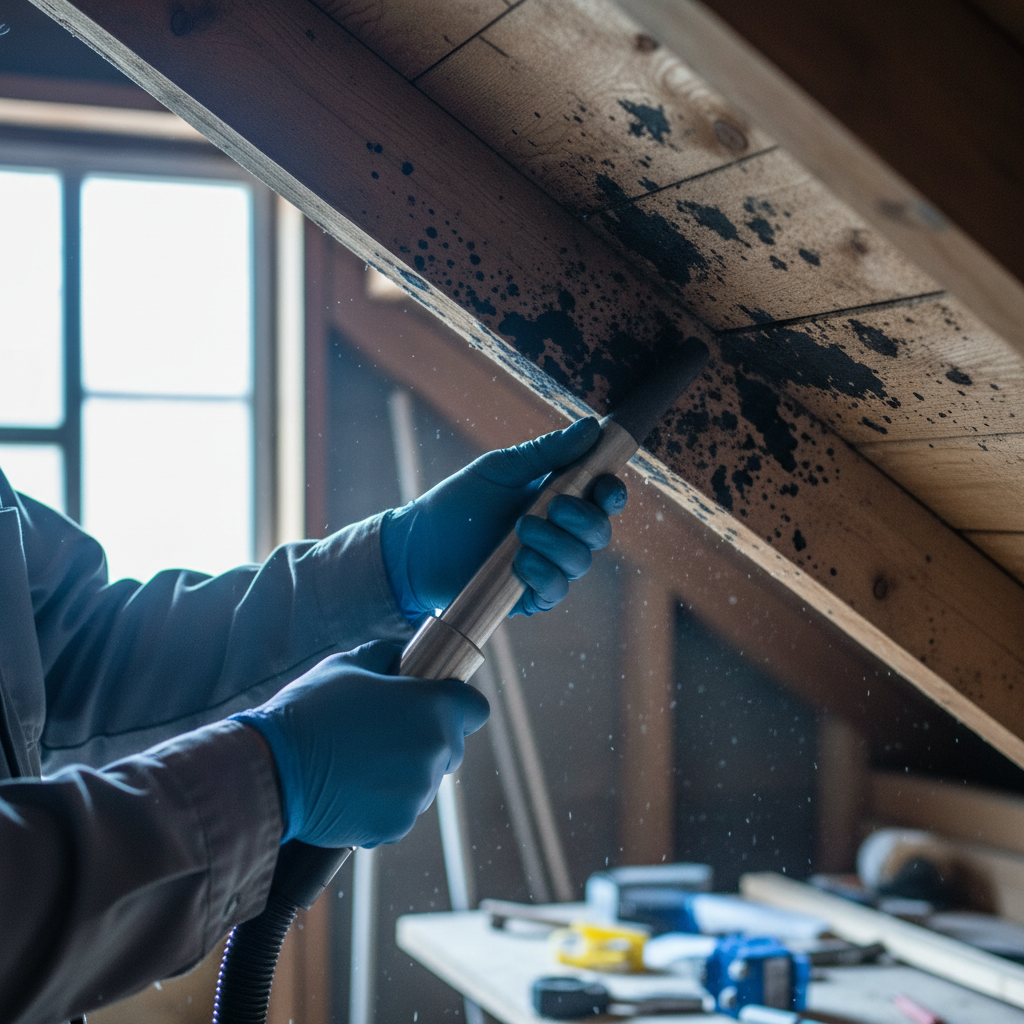
- Surface cleaning: HEPA vacuuming and mechanical agitation (brush or media) remove spores and staining from sheathing and rafters.
- Treatment: Apply EPA-registered antimicrobial where appropriate; avoid harsh chemicals that create residue or fumes.
- Drying and verification: Dehumidification, spot-drying, and follow-up moisture checks confirm safe re-insulation levels.
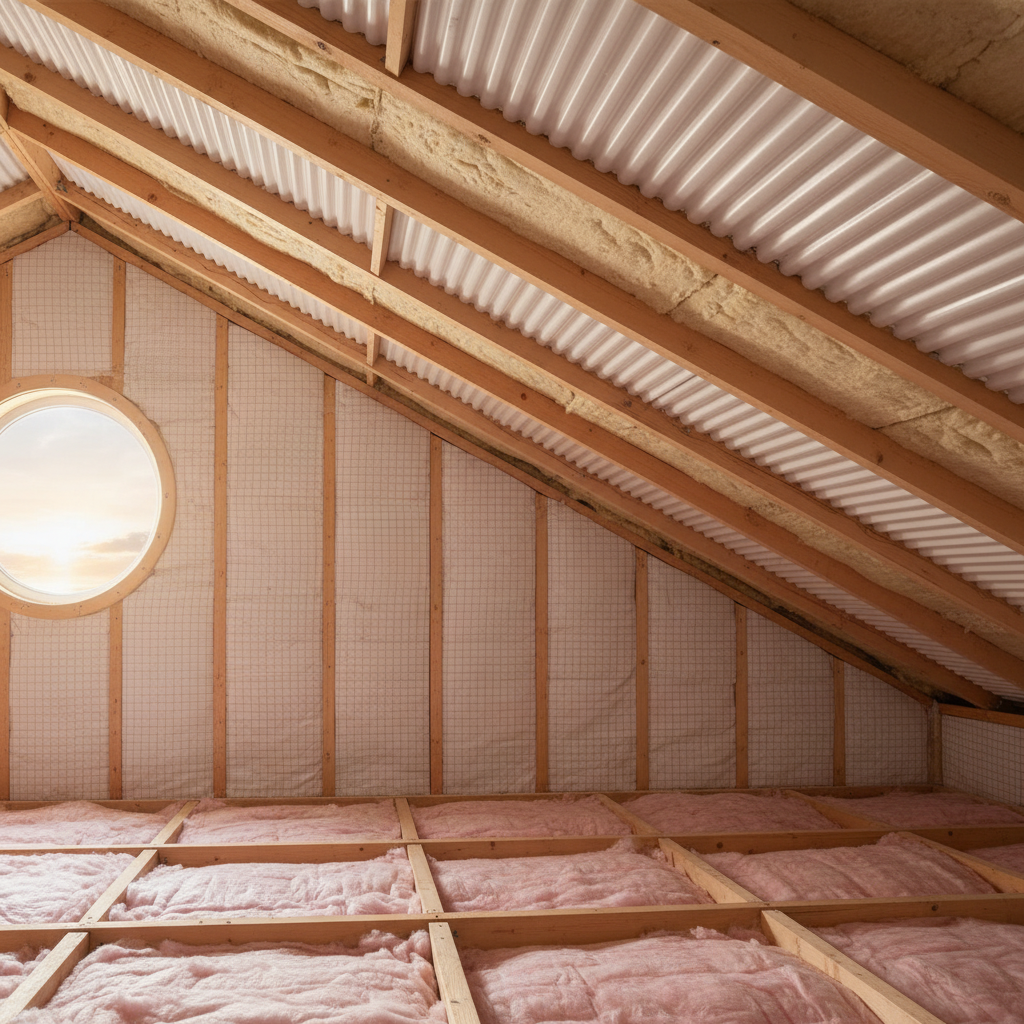
- Restore and document: Replace compromised insulation, install baffles, and provide a remediation summary, photos, and readings.
| Phase | What happens | Key tools | Proof points |
|---|---|---|---|
| Diagnose | Trace leaks and humidity paths | Thermal camera, hygrometer | Photos, moisture map |
| Protect | Isolate and scrub the air | Containment, HEPA scrubber | Pressure logs, filter logs |
| Clean | Remove spores and residue | HEPA vac, agitation tools | Before/after photos |
| Treat | Target residual growth | EPA-registered antimicrobial | Label, batch, method notes |
| Dry | Stabilize to safe levels | Dehumidifier, meter | Moisture logs |
| Restore | Re-insulate, add baffles | Baffles, air sealing | Photos, airflow checks |
Need urgent help? Our Ontario-wide team offers same-day inspections. Use the contact form to request a certified attic assessment today.
Methods, materials, and approaches that work
The most reliable approaches pair HEPA-based cleaning with mechanical agitation, targeted antimicrobial application, and ventilation upgrades. Insulation may be removed and replaced when saturated or contaminated. The finish line isn’t just “looks clean”—it’s dry materials, balanced airflow, and proof the source is controlled.
Cleaning paths
- HEPA vacuuming: Captures loose spores and fine debris from sheathing and joists before treatment.
- Hand agitation: Nylon or wire brushing dislodges embedded residue without damaging sound wood.
- Media agitation: When staining is stubborn, light media blasting (e.g., sponge or soda) can improve aesthetic outcomes; use containment and filtration.
Treatments and coatings
- EPA-registered antimicrobials: Applied per label to inactivate remaining growth on cleaned surfaces.
- Permeable sealers: Optional clear sealers can even out appearance without trapping moisture.
- Avoid paint-only cover-ups: Coatings without cleaning and drying tend to fail as moisture returns.
Ventilation and air sealing
- Continuous airflow: Balanced soffit and ridge ventilation keeps humidity in check through Ontario’s seasons.
- Dedicated ducting: Bathroom and kitchen fans must terminate outdoors—not into the attic cavity. For context on bath moisture, see this primer on bathroom mold causes.
- Air sealing: Seal attic hatches, can lights, and chases to block warm, moist air from living spaces.
Best practices our Scarborough team follows
Our Scarborough crews follow a tight playbook for homes across ON: same-day inspection, documented moisture mapping, full containment, HEPA filtration, careful surface cleaning and antimicrobial application, verified drying, and a written remediation summary. This disciplined approach prevents rebound growth and helps buyers and agents close with confidence.
- Document everything: Before/after photos, moisture logs, and filter logs prove control and cleanliness.
- Protect occupants: Maintain negative pressure from set-up to tear-down; verify airflow direction at barriers.
- Fix sources first: Roof and ducting issues are addressed before cosmetic results matter. Poor venting during bath renovations is a frequent culprit; this renovation guide on avoiding bathroom mistakes highlights why proper venting matters.
- Re-insulate right: Use proper R-value and ensure clear baffle channels at every bay.
- Certify the outcome: Provide a remediation summary and, when applicable, a Mold Remediation Warranty Certificate after inspection. Learn more about our standards on the About page.
Local considerations for Scarborough
- Winter humidity spikes and freeze–thaw cycles stress under-ventilated attics; check for frost on nails after cold snaps.
- Spring melt and summer storms elevate leak risk; schedule attic checks after heavy rain or high winds.
- High-usage bath fans in multi‑family homes need confirmed outdoor termination and adequate soffit intake.
Tools, tests, and resources you’ll hear us reference
Expect precise tools: thermal imaging to visualize cold, damp surfaces; moisture meters to quantify drying; HEPA air scrubbers for fine particles; and EPA-registered antimicrobials. When documentation is needed, targeted air or surface samples support clearance and real estate confidence.
- Thermal imaging: Reveals heat loss and moisture patterns that point to leaks or bypasses. Targeted infrared scans help us prioritize air sealing and leak repair.
- Pin/pinless moisture meters: Confirm when wood and drywall are dry enough to close the file. We record readings in a simple log you can keep.
- HEPA air scrubbers and vacuums: Capture particles as small as 0.3 microns with high efficiency to protect occupied areas during work.
- Antimicrobial agents: EPA-registered products used according to label for cleaned substrates; we avoid harsh residues.
- Air and surface sampling: Applied judiciously for clearance criteria or when occupants have sensitivities.
Case studies: Ontario homes and workplaces
Recent Ontario projects show a pattern: control moisture first, then clean methodically, and finish with airflow and insulation restored. When this sequence is followed, odor falls, readings stabilize, and the space passes third-party scrutiny—keeping families comfortable and deals intact.
Scarborough semi-detached, winter discovery
A family noticed frost on attic nails after a cold snap. Our team found bath fans exhausting into the attic and blocked soffits. We ducted fans outdoors, opened intake channels, HEPA-cleaned sheathing, applied antimicrobial, and restored insulation. Post-work moisture readings stabilized, and odors resolved within days.
Brampton detached, post-roof leak
After a storm, staining spread across roof sheathing. We repaired flashing, contained the attic, HEPA-cleaned and treated surfaces, then verified dry levels before re-insulating. The homeowner received a remediation summary for their records and an agent later shared that the buyer’s inspector cleared the attic on first pass.
Retail back-of-house, Greater Toronto
Warm, humid air from the store entered the attic through unsealed chases. We air-sealed penetrations, balanced intake and exhaust, and performed targeted cleanup during off-hours. Operations continued without disruption, and management adopted a quarterly roof check.
Have questions about your attic? Speak with a certified inspector. We offer Ontario-wide, same-day response and discreet service for homes and workplaces. Request your free inspection.
FAQ: attic mould remediation
Homeowners ask about timing, testing, insulation, and ventilation. Here are direct answers: act within days of discovery, test selectively, remove saturated insulation, and verify balanced soffit-to-ridge airflow. When documentation matters—like a sale—capture photos, readings, and a written remediation summary.
How fast should I act after spotting attic mold?
Act as soon as you confirm growth. Quick containment and drying limit roof damage and reduce odors. Address leaks or venting errors first, then perform HEPA cleaning and treatment. Fast response helps you avoid insulation loss and keeps transactions on schedule.
Do I need air testing to prove remediation worked?
Not always. Many projects rely on visual clearance, moisture verification, and documentation. When sensitivities, disputes, or real estate requirements exist, targeted air or surface sampling supports a clear record. Your inspector can advise if testing adds value in your case.
Should contaminated insulation be removed?
Yes when it’s wet, compacted, or visibly impacted. Saturated or soiled insulation loses R‑value and can hold odors. After cleanup and drying, replace insulation to the correct R‑value and install baffles to protect airflow from future blockages.
What prevents attic mold from returning?
Control moisture and temperature swings. Ensure bathroom and kitchen fans vent outdoors, keep soffit and ridge vents clear, air-seal attic bypasses, and maintain indoor humidity. After remediation, schedule seasonal attic checks—especially after storms or freeze–thaw cycles.
Conclusion and next steps
Successful attic mould remediation follows a disciplined path: fix moisture sources, clean and treat surfaces under containment, verify drying, and restore insulation and ventilation. Clear documentation completes the job and protects your home’s value—especially during real estate transactions.
- Key takeaways: moisture control first; HEPA cleaning under containment; re-insulate and ventilate right; document the outcome.
- Next steps: schedule a same-day inspection, review findings, and approve a remediation plan that includes prevention.
- Connect with us: Learn who we are on the About page, or book your inspection now.